
Granite vs Marble
Marble and granite are two of the most preferred natural stones in the construction and interior design industry. They are widely used for flooring, wall cladding, kitchen countertops, staircases, fireplaces, vanity tops, and many other architectural applications. Each stone has its own charm—marble is admired for its graceful veining and luxurious appearance, while granite is valued for its durability, strength, and resistance to daily wear and tear.
India offers an extensive variety of both stones, with countless colors, patterns, and finishes sourced from different regions across the country. Thanks to their versatility and natural beauty, these stones continue to elevate modern homes, commercial spaces, and large-scale projects.
Variety: – Both granite and marble come in multiple colors and shades, but granite offers a wider range. Most marble varieties are available in tones of white and green, while granite comes in many colors, including black, red, green, blue, yellow, and white. This gives buyers more options when selecting granite.
Location: – Most marble in India is found in the northern region, whereas granite is available in abundance in both the northern and southern parts of the country. Popular North Indian granites include Imperial Red, Crystal Yellow, River Black, and Rosy Pink. Well-known South Indian granites include Absolute Black, Black Galaxy, Viscon White, Imperial Gold, and many others.
Durability: – Granite is generally harder and more durable than marble. However, some granite varieties, such as Imperial Gold and Alaska White, are comparatively softer. Fantasy Brown is a well-known marble that offers hardness similar to many granites. Overall, both granite and marble are reliable choices for flooring.
Cost:
Granite is generally more expensive than marble, although several affordable granite options are available, such as Rosy Pink, Cheema Pink, and Tigerskin. There are exceptions as well—Fantasy Brown Marble is priced similarly to many granites, while Plain Green Marble is one of the cheapest marble options. Since cost plays an important role in any project, buyers can choose between marble and granite based on their budget and requirements.Uses:
Both granite and marble are widely preferred for flooring, countertops, wall cladding, step risers, and similar applications across the world. Marble has additional uses in statues and sculptures because it is softer than granite and easier to shape into intricate designs.
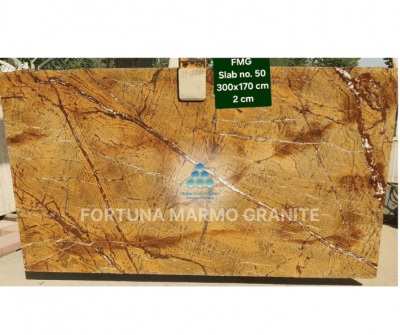
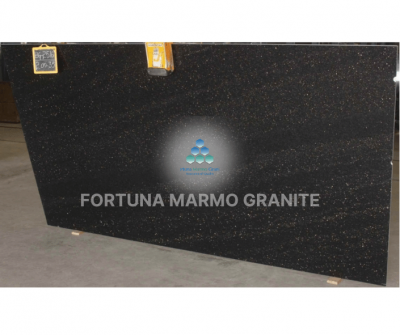
Marble requires more care than granite because it absorbs stains more easily. White varieties such as Agaria White and Nizarna are particularly sensitive, and even a small stain can affect the overall look of the space. Granite, on the other hand, is easier to maintain and retains its beauty for many years, so comparing granite vs marble is often unnecessary when durability and maintenance are the main concerns.
Finishing:
Granite generally provides better finishing because it is a harder stone and is available in several options, including polished, honed, flamed, and leathered. Marble also takes a good polish, though not as high as granite, and typically comes in polished, honed, and brushed finishes.
Conclusion
Granite and marble both offer exceptional beauty and value, but they serve different design needs and performance expectations. Granite is known for its strength, heat resistance, and low maintenance, making it a great choice for high-traffic and functional areas. Marble, on the other hand, stands out for its timeless elegance and soft veining, making it ideal for adding a luxurious touch to refined interiors.
Understanding their differences helps homeowners and designers choose the right stone for long-lasting satisfaction. For premium-quality granite and marble sourced directly from India, Fortuna Marmo Granite delivers expert craftsmanship, reliable service, and global export solutions.