
Best Sandstone Choices for Stylish and Functional Garden Pathways
Best Sandstone Choices for Garden Pathways, A garden is more than just a collection of plants; it is an extension of your home. Whether you have a sprawling backyard or a cozy urban terrace, the way you move through that space matters. This is where garden pathways come in. They aren't just practical strips for walking; they are the "veins" of your landscape that guide the eye and add character.
Among all the materials available, sandstone stands out as a timeless favorite. Known for its natural beauty, durability, and warm color palette, it is the go-to choice for homeowners who want a balance of style and function.
In this guide, we will explore why sandstone is the perfect choice for your garden and look at the best varieties to help you create a stunning outdoor space.
Why Choose Sandstone for Your Garden?
- Natural Aesthetics: Unlike concrete or plastic, sandstone is a product of nature. Each slab has unique grains, ripples, and color shifts, meaning no two pathways will ever look exactly the same.
- Durability: Sandstone is incredibly tough. It can withstand heavy foot traffic and harsh weather conditions, from freezing winters to scorching summers.
- Slip Resistance: Most sandstone has a naturally "riven" (slightly riven/textured) surface. This provides a great grip underfoot, making it safe to walk on even when it's raining.
- Low Maintenance: Once installed and sealed, sandstone requires very little upkeep. A simple wash with soapy water every now and then is usually enough to keep it looking brand new.
Top Sandstone Choices for Your Pathway
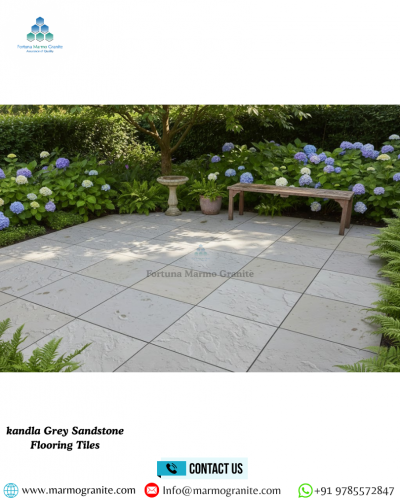
1. Kandla Grey Sandstone: The Modern Classic
Kandla Grey is perhaps the most popular choice for contemporary gardens. It features a consistent light-to-mid grey tone with occasional blue or silver hues.
- Style: It looks sleek, clean, and modern.
- Best For: Minimalist gardens or homes with grey exterior accents. It provides a beautiful contrast against bright green grass.
Pro Tip: Use dark grey grout between the slabs to create a seamless, high-end look.
2. Raj Green Sandstone: The Traditional Favorite
If you want your garden to look like a classic English countryside estate, Raj Green is the answer. Despite the name, it isn't just green; it features a mix of earthy browns, tans, and soft greens.
- Style: Rustic, warm, and traditional.
- Best For: Cottage gardens, vegetable patches, or wooded areas. It blends perfectly with natural foliage and wooden fences.
Benefit: Its multi-tonal nature makes it very forgiving—it hides dirt and mud better than lighter stones.

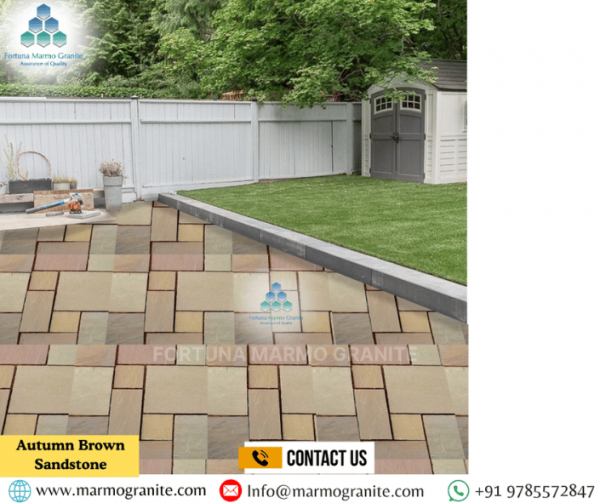
3. Autumn Brown Sandstone: Warmth and Elegance
For those who love deep, rich colors, Autumn Brown offers a cozy and inviting feel. It consists of chocolate browns, honey yellows, and sandy tan shades.
- Style: Earthy and sophisticated.
- Best For: Shady garden spots that need a bit of "warmth" or pathways near brick houses.
Benefit: This stone darkens beautifully when wet, revealing deep patterns that look stunning after a rain shower.
Factors to Consider: Style vs. Function
Choosing the right stone is just the first step. To make your pathway truly "functional," you need to consider how the stone is finished.
Riven vs. Sawn Edges
- Riven Sandstone: This has a natural, bumpy surface created when the stone is split along its layers. It's excellent for grip and looks very traditional.
- Sawn & Honed Sandstone: This stone is cut with a machine to be perfectly flat and smooth. It looks very expensive and modern, but it can be slightly more slippery when wet, so ensure it is treated with a non-slip sealer.
Thickness and Size
For a garden path, you generally want slabs that are at least 20mm to 30mm thick. Thinner slabs are prone to cracking if the ground shifts. You can use large rectangular slabs for a formal look, or "random layout" sizes for a more relaxed, winding path.
How to Plan Your Perfect Garden Path
- Define the Purpose
Is this a main path from the back door to the garage? Or a secret trail through your flower beds?
- Main Paths: Should be wide (at least 3 feet) and straight for easy movement.
- Decorative Paths: Can be narrower and curved to encourage people to slow down and enjoy the garden.
- Consider the "Flow"
Straight lines look formal and organized. Curved lines look organic and relaxing. If your garden has lots of soft edges and round bushes, a winding sandstone path will complement that beautifully.
- Drainage is Key
No one likes a puddle on their walkway. Ensure your path has a very slight "fall" (a tilt) to one side so that rainwater can run off into the soil rather than sitting on the stone.
Maintenance Tips to Keep Your Path Sparkling
While sandstone is low maintenance, a little care goes a long way.
- Seal Your Stone: Applying a stone sealer after installation protects the sandstone from oil stains, moss, and algae. It also helps preserve the natural color.
- Avoid Harsh Chemicals: Never use acidic cleaners on sandstone, as they can damage the surface. Stick to pH-neutral soaps.
- Sweep Regularly: Keeping leaves and dirt off the path prevents organic matter from staining the stone over time.
Conclusion
In summary, choosing the right sandstone for garden pathways means balancing aesthetics, durability, and maintenance to create outdoor spaces that are both beautiful and practical. From classic buff and golden hues that bring warmth to contemporary greys and charcoals that suit modern designs, sandstone offers versatile options for every landscape style.
Best Sandstone Choices for Garden Pathways, Whether your priority is slip resistance, natural texture, or long-lasting performance, these top sandstone choices help transform ordinary paths into inviting garden features. With expert guidance and quality materials, Fortuna Marmo Granite supports you in selecting the perfect sandstone that enhances your garden's charm while ensuring pathways that stand the test of time.