
Sandstone vs Limestone for Paving: Strength, Texture, and Maintenance Guide
Sandstone vs Limestone for Paving. Choosing the right stone for your patio, driveway, or garden path is a big decision. It's not just about what looks good today; it's about what will survive the winter, handle a spilled glass of red wine, and stay sturdy underfoot for years to come.
Indian Sandstones Supplier, In the world of natural stone paving, two heavyweights dominate the market: Sandstone and Limestone. While they might look similar at a quick glance, they have very different personalities.
Here is everything you need to know to choose the perfect partner for your outdoor space.
1. Strength and Durability: Which One Is Tougher?
Sandstone: The All-Rounder
Sandstone is a sedimentary rock made of tiny grains of quartz and feldspar. Because it is formed in layers, it is incredibly tough. It handles heavy foot traffic with ease and is less likely to crack under pressure compared to cheaper concrete alternatives. However, sandstone is more porous than limestone. Think of it like a very hard sponge; it can soak up water, which makes it slightly more prone to "freeze-thaw" damage in extremely icy climates.
Limestone: The Solid Choice
Limestone is generally denser than sandstone. It is formed from calcium carbonate (often from ancient marine life), which creates a very compact structure. Because it is less porous, it doesn't absorb as much water. This makes it a fantastic choice for areas that see a lot of rain or snow.
The Winner: It's a tie. Sandstone is slightly more flexible for different climates, but Limestone's density gives it an edge in water resistance.
2. Texture and Feel: The "Barefoot" Test
The Riven Texture of Sandstone
Most sandstone comes with a "riven" finish. This means the stone has been split along its natural layers, resulting in an uneven, wavy surface.
- The Pro: It looks wonderfully rustic and provides excellent natural grip.
- The Con: It can be a bit bumpy for patio furniture. If your table has thin legs, it might wobble!
The Smooth Sophistication of Limestone
Limestone typically has a much flatter, more consistent surface. It has a "fine-grained" texture that feels orange-peel smooth to the touch.
- The Pro: It looks incredibly modern and sleek. It's the perfect surface for a dining set.
- The Con: Because it is smoother, it can become a bit slippery when wet unless it has been "honed" or "acid-washed" to add grip.
3. Color and Aesthetics: Setting the Mood
Sandstone's Warmth
Sandstone is famous for its "earthy" tones. You'll find beautiful variations of:
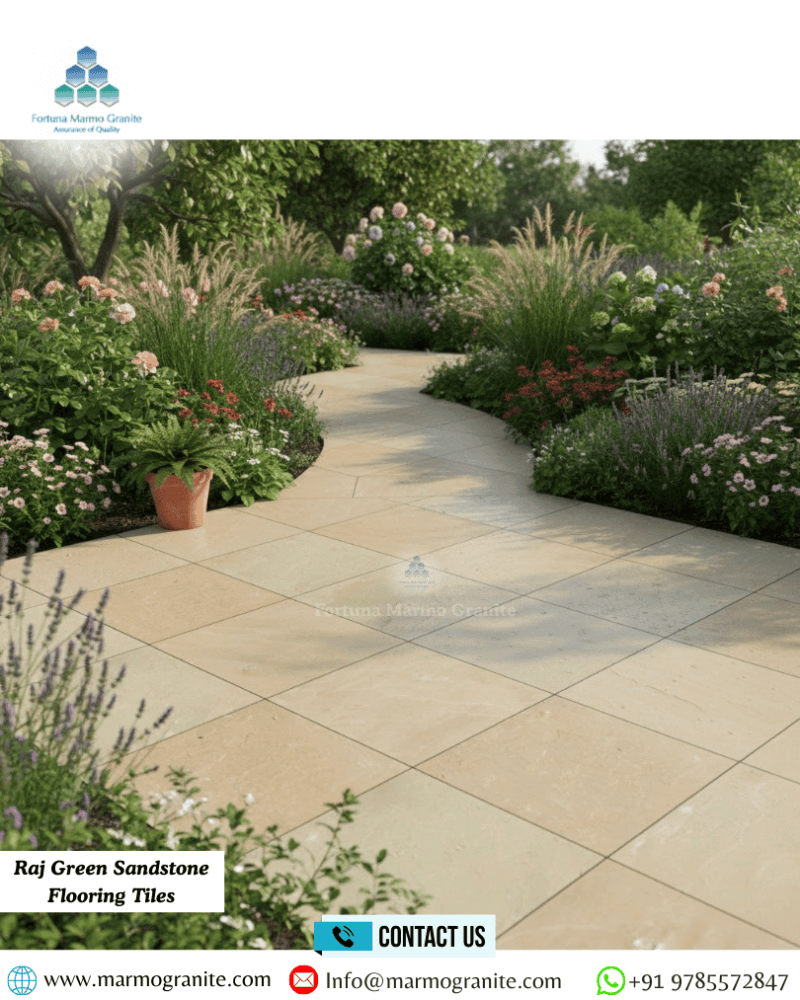
- Golden browns and tans (like the popular "Rippon" or "Raj Green").
- Vibrant pinks and purples.
- Multicolor blends that make every slab look like a piece of art.
If you want a Mediterranean, warm, or traditional cottage feel, sandstone is your best friend.
Limestone's Cool Elegance
Limestone tends to be more uniform. It usually comes in:
- Deep charcoals and blacks (like "Kota Black").
- Cool greys and muted creams.
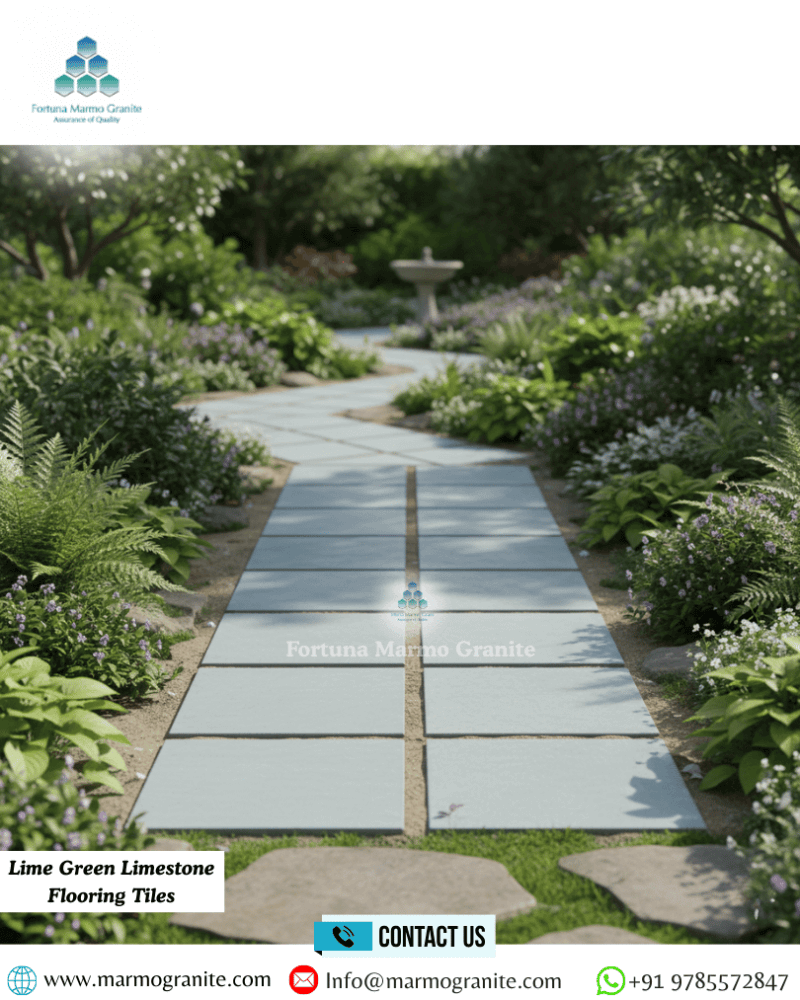
- Pale blues.
If you have a modern, minimalist home with grey siding or black trim, Limestone will match that aesthetic perfectly. Note: Be aware that black limestone can fade to a light grey over time due to UV exposure from the sun unless it is sealed.
4. Maintenance: Keeping It Pretty
Maintenance Guide for Sandstone
Because sandstone is porous, it loves to hold onto moisture. Moisture is the favorite food of algae and lichen.
- The Challenge: You might see green spots or black "lichens" appearing if the patio is in the shade.
- The Fix: You'll need to pressure wash it once a year and use a good quality stone sealer to block those pores.
Maintenance Guide for Limestone
Limestone is a "calcareous" stone, meaning it reacts to acids.
- The Challenge: You have to be careful with cleaning products. Using a harsh, acidic brick cleaner on limestone can actually dissolve the surface or cause weird spotting.
- The Fix: Always use "pH-neutral" cleaners. Like sandstone, sealing is highly recommended to prevent staining from bird droppings or fallen leaves.
5. Comparison Summary Table
6. Cost: The Bottom Line
In most cases, Sandstone is slightly more affordable than Limestone. Because sandstone is easier to quarry and widely available (especially imports from India), it is often the "budget-friendly" natural stone choice.
Limestone is considered a premium product. While the price difference isn't massive, it can add up if you are paving a massive driveway. However, many homeowners find the uniform, high-end look of limestone worth the extra few dollars per square foot.