
The Effects of Hot and Cold on Quartz Countertops
Quartz Countertops Supplier Quartz countertops have gained immense popularity due to their durability, aesthetic appeal, and low maintenance. Made from a combination of natural quartz crystals and resin binders, they are engineered to withstand everyday wear and tear while offering a sleek and elegant look. However, like any other surface material, quartz countertops are affected by temperature fluctuations, particularly exposure to extreme heat and cold. Understanding how these temperature changes impact quartz can help homeowners maintain their countertops and extend their lifespan.
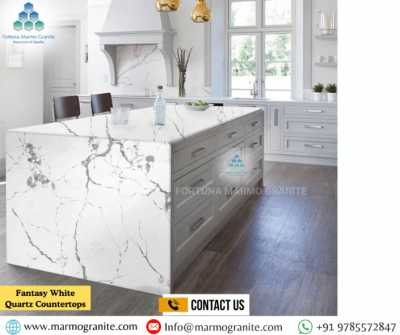
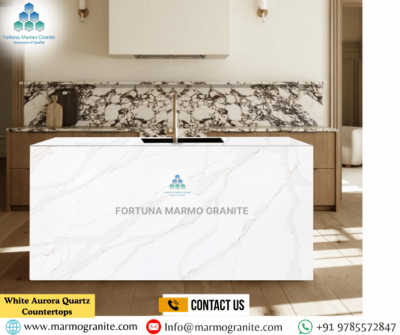
How Quartz Countertops React to Heat
Heat Resistance of Quartz
Quartz countertops are heat-resistant to a certain extent, but they are not heatproof. Unlike natural stone countertops such as granite, quartz contains resin, which is sensitive to high temperatures. The resins used in quartz countertops typically begin to break down when exposed to temperatures above 150°F (65°C). This means that while quartz can handle brief exposure to moderate heat, prolonged or direct exposure to high temperatures can cause damage.
Effects of High Temperatures on Quartz Countertops
- Discoloration: One of the most common issues caused by excessive heat is discoloration. The resin in quartz can change color, turning yellowish or brownish when exposed to heat for extended periods. This effect is often irreversible and can significantly impact the aesthetics of the countertop.
- Burn Marks: Placing hot pots, pans, or baking trays directly on quartz surfaces can leave burn marks or scorch the resin, creating unsightly dark patches. These burn marks may be difficult, if not impossible, to remove.
How to Protect Quartz Countertops from Heat
- Use Trivets and Hot Pads: Always place a trivet, hot pad, or heat-resistant mat under hot cookware to prevent direct contact with the quartz surface.
- Avoid Placing Heat-Producing Appliances Directly on Quartz: Appliances such as slow cookers, air fryers, or electric griddles generate heat over time. Using a heat-resistant surface under these appliances can prevent damage.
- Be Cautious with Heat-Emitting Objects: Items such as curling irons or hair straighteners should not be placed directly on bathroom quartz countertops.
How Quartz Countertops React to Cold
Cold Resistance of Quartz
Unlike heat, cold temperatures generally do not pose a significant risk to quartz countertops. Since quartz is a non-porous material, it does not absorb moisture, which means it is less likely to suffer from freeze-thaw cycles that can damage natural stone surfaces. However, prolonged exposure to extreme cold can still have some impact on quartz countertops.
Effects of Low Temperatures on Quartz Countertops
Contraction and Expansion: Like most materials, quartz expands and contracts with temperature changes. Although the movement is minimal, extreme hot and cold fluctuations can stress the surface. Over time, this may cause small cracks or weaken the material.
Brittleness in Freezing Conditions: In outdoor kitchens or unheated areas, quartz may become slightly brittle in freezing weather. This increases the risk of chipping or cracking if the surface experiences strong impact.
How to Protect Quartz Countertops from Cold Damage
- Avoid Installing Quartz in Unprotected Outdoor Areas: If you are using quartz in an outdoor kitchen, ensure it is in a covered or temperature-controlled area to reduce exposure to extreme cold.
- Use a Protective Sealant on Outdoor Quartz Surfaces: While quartz is non-porous and does not require sealing like natural stone, an additional protective coating may provide extra durability in cold environments.
- Avoid Sudden Temperature Changes: Minimize the risk of thermal shock by allowing the countertop to adjust gradually to different temperatures rather than exposing it to extreme changes suddenly.
Can Quartz Countertops Be Used in Outdoor Spaces?
Challenges of Using Quartz Outdoors
UV Sensitivity: Prolonged exposure to direct sunlight can cause quartz countertops to fade or discolor. The resins in quartz are not UV-stable, so countertops placed in sunlight may lose their original color over time.
Temperature Extremes: Quartz can be affected by extreme heat or cold. This makes it less suitable for outdoor use in areas with harsh weather conditions.
Best Practices for Outdoor Quartz Countertops
Choose a Shaded or Covered Area: Installing quartz in a shaded or partially covered outdoor space reduces exposure to sunlight and extreme weather.
Select Lighter Colors: Lighter-colored quartz absorbs less heat, lowering the risk of thermal damage.
Consider Alternative Outdoor Materials: For better durability in harsh conditions, opt for natural stones like granite or porcelain slabs designed specifically for outdoor use.
Maintenance Tips for Quartz Countertops
Daily Cleaning
- Use a mild dish soap and warm water to wipe down the surface.
- Avoid harsh or abrasive cleaners, which can degrade the resin over time.
- Use a microfiber cloth or soft sponge to prevent scratches.
Preventative Care
- Always use coasters, trivets, and hot pads to prevent direct heat exposure.
- Avoid dropping heavy objects onto quartz, especially in cold environments.