
Sandstone Maintenance: Keeping Moss and Algae at Bay
Sandstone Maintenance Guide, Sandstone is one of the most beautiful natural materials you can use for your home. Whether it's a winding garden path, a sun-drenched patio, or the elegant exterior walls of your house, sandstone adds a timeless, earthy charm. However, because it is a natural, porous stone, it has a tiny "secret": it loves to soak up water.
Indian Sandstones Supplier, In damp, shaded areas, that moisture becomes an open invitation for moss, algae, and lichen. Before you know it, your golden stone is covered in slippery green slime or stubborn black spots. Not only does this ruin the look, but it can also be a slipping hazard.
Sandstone Maintenance Guide, In this guide, we'll walk through everything you need to know about keeping your sandstone looking brand new—without using confusing jargon or overly complex methods.
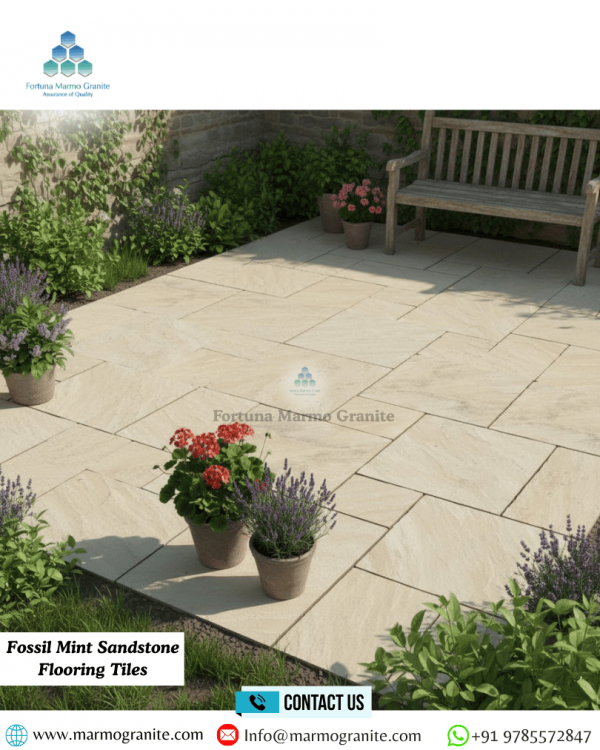
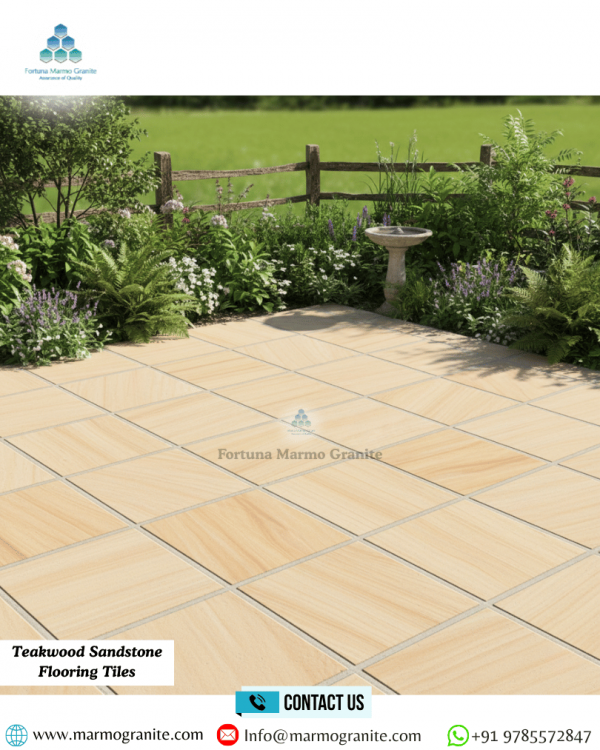
Why Does Sandstone Get So Dirty?
To fix the problem, we first have to understand it. Think of sandstone like a very hard sponge. It is made of tiny grains of sand pressed together over millions of years. Between those grains are microscopic gaps. When it rains, water sits in those gaps.
If your patio doesn't get much sunlight to dry that water out, it creates the perfect "nursery" for:
- Algae: Usually looks like a green, slippery film.
- Moss: Thick, cushiony green clumps that grow in the joints.
- Lichen: Those annoying white or black "crusty" spots that seem impossible to scrub off.
The Golden Rule: Prevention First
- Keep it Swept
It sounds too simple to be true, but a stiff broom is your best friend. Leaves, dirt, and grass clippings hold moisture against the stone. When they rot, they feed the algae. Aim to sweep your sandstone once a week.
- Improve Drainage
If water puddles on your patio, you're going to have a moss problem. Ensure your gutters aren't leaking onto the stone and check that the ground around the patio allows water to run off.
- Trim the Trees
Moss loves shade. If you have overhanging branches casting a permanent shadow on your sandstone, consider trimming them back. Letting the sun hit the stone is the natural way to "disinfect" it.
How to Clean Sandstone Safely
Step 1: The Soapy Water Method
For light algae, you don't need harsh chemicals.
- What you need: Warm water, a splash of mild dish soap, and a stiff-bristled scrubbing brush (avoid wire brushes, as they can scratch the stone).
- The Process: Wet the stone, apply the soapy water, and give it a good scrub. Rinse thoroughly with clean water.
Step 2: The Vinegar Solution (Use with Caution)
White vinegar is a great natural killer of moss and algae. However, because vinegar is acidic, you shouldn't use it too often or leave it on for too long, as it can slightly weather the stone.
- The Mix: 50% water and 50% white vinegar.
- The Process: Spray it on, let it sit for 15-20 minutes, scrub, and rinse very well.
Step 3: Oxygen Bleach (The Pro Secret)
If the stains are stubborn, look for "Oxygen Bleach" (Sodium Percarbonate). This is different from the bleach you use in your laundry. It's non-toxic to plants and breaks down into water and oxygen. It is excellent for lifting those deep-set black lichen spots.
The Pressure Washer: Friend or Foe?
Most people's first instinct is to pull out the pressure washer. While it's satisfying to watch the dirt blast away, you have to be very careful.
Sandstone is relatively soft. If the pressure is too high or you hold the nozzle too close, you can:
- Pit the stone: Create tiny holes that actually hold more water, making the algae problem worse next year.
- Blast out the pointing: You might accidentally blow away the mortar or sand between the stones.
The Verdict: Use a low-pressure setting and keep the nozzle moving. Never point it directly down at a 90-degree angle; use a sweeping motion at an angle.
Should You Seal Your Sandstone?
The Pros:
- It stops water from soaking in.
- It makes it much easier to wipe away spills (like wine or oil).
- It significantly slows down the growth of moss and algae.
The Cons:
- It can be expensive.
- You have to re-apply it every 2 to 5 years.
- If you buy a "glossy" sealer, it can make the stone look unnatural.
My Advice: If your sandstone is in a damp, north-facing area, seal it. It will save you hours of scrubbing. Look for an "impregnating" sealer—this goes into the stone rather than sitting on top, preserving the natural look while still protecting it.
Seasonal Maintenance Calendar
Dealing with "Black Spot" (Lichen)
Black spots are the ultimate enemy of sandstone. They aren't just on the surface; they send "roots" (called hyphae) deep into the stone. If you just pressure wash them, the roots stay behind and the spots grow back.
To kill black spots, you usually need a specialist Stone Patio Cleaner that contains biocides. These chemicals soak into the stone and kill the organism at the root. Always follow the instructions on the bottle and keep pets away until the area is dry and rinsed.
Conclusion
Proper sandstone maintenance is essential to preserve its natural beauty, strength, and long-term performance in outdoor and high-moisture environments. Regular cleaning, ensuring good drainage, applying suitable sealants, and preventing prolonged damp conditions are key steps in keeping moss and algae from taking hold. With the right care routine, sandstone surfaces such as patios, pathways, and facades can remain clean, safe, and visually appealing for years.
Sandstone Maintenance Guide, Choosing high-quality stone also plays a vital role in minimizing maintenance concerns. Fortuna Marmo Granite provides premium-grade sandstone crafted to meet global standards, ensuring durability and easier upkeep for residential and commercial projects alike. Sandstone Maintenance Guide, With expert processing and a commitment to quality, Fortuna Marmo Granite helps clients maintain sandstone surfaces that continue to look beautiful and perform exceptionally over time.