
Sandstone Interior Design Guide: Benefits, Textures, and Applications
Sandstone Interior Design, In a world filled with sleek glass and cold metals, there is a growing desire to return to something more grounded. Enter sandstone. This ancient, natural stone has been used for centuries in grand architecture, but today, it's making a massive comeback inside our homes.
Indian Sandstones Supplier, If you're looking to add warmth, character, and a touch of "quiet luxury" to your space, sandstone might be your new best friend. Here is everything you need to know about using sandstone in your interior design.
Why Choose Sandstone? (The Benefits)
- Timeless Aesthetic
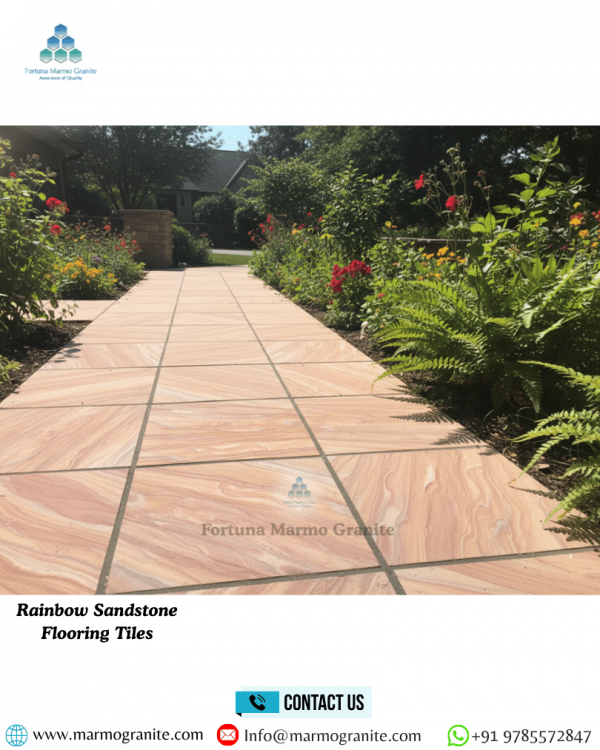
Trends come and go—remember neon kitchens?—but natural stone never goes out of style. Sandstone offers a neutral palette of tans, creams, golds, and reds that look just as good in a modern minimalist loft as they do in a cozy rustic cottage.
- Incredible Durability
Sandstone is literally "hard as a rock." It is a sedimentary rock composed of sand-sized grains of mineral, rock, or organic material. When properly sealed, it can last a lifetime, resisting wear and tear better than many synthetic materials.
- Thermal Comfort
One of the coolest (pun intended) features of sandstone is its thermal mass. It stays cool in the summer and holds onto warmth in the winter. If you live in a climate with extreme temperatures, sandstone floors can actually help regulate your indoor environment.
- Eco-Friendly Choice
As a natural material, sandstone doesn't require the heavy chemical processing that plastics or resins do. It's biodegradable (eventually!) and can be locally sourced in many parts of the world, reducing its carbon footprint.
Exploring Textures: From Silk to Stone
The "vibe" of your room depends heavily on the finish of the stone. Sandstone is incredibly versatile because it can be processed in several ways:
- Honed (Smooth): This is the most popular for interiors. The stone is buffed to a flat, matte finish. It feels silky to the touch and looks sophisticated without being "shiny."
- Polished: While less common than marble, polished sandstone has a slight sheen that brings out the deep colors and intricate veining of the stone.
- Sandblasted: This gives the stone a fine, grainy texture. It's great for areas where you want a bit of grip (like bathroom floors) while keeping a uniform look.
- Natural/Cleft: This is the stone in its rawest form. It's bumpy, uneven, and full of personality. It's perfect for accent walls or fireplace surrounds where you want a "mountain lodge" feel.
Creative Applications in Your Home
- Statement Walls
Forget wallpaper. A sandstone feature wall creates a focal point that people can't help but touch. Because each slab has unique banding and "movement," your wall becomes a piece of natural art.
Pro Tip: Use spotlights or "wall-washing" lights to hit the stone from above. This highlights the texture and creates beautiful shadows at night.
- Flooring that Breathes
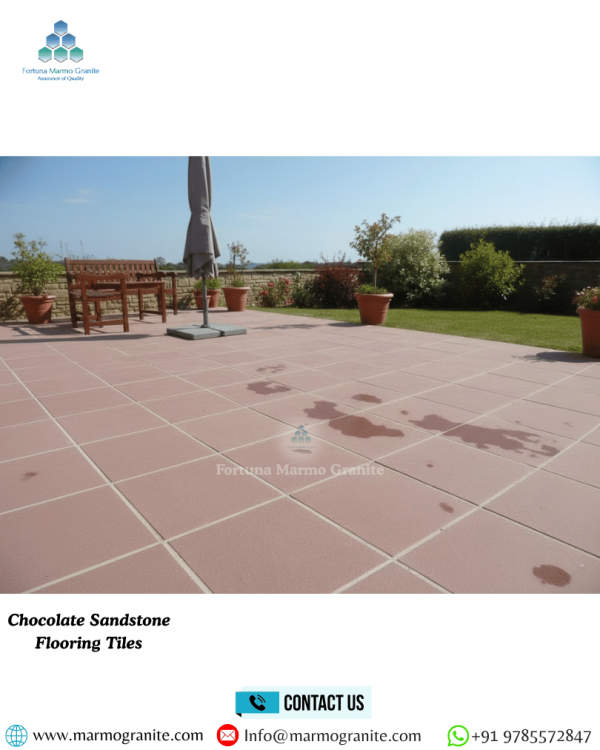
Sandstone tiles are a fantastic alternative to ceramic. They feel soft underfoot—less "hard" than granite—and provide a natural slip resistance. In an open-plan living area, sandstone flooring can create a seamless flow from the indoors to the outdoor patio.
- Kitchen and Bar Accents
While you have to be careful with acidic liquids (like lemon juice or wine) on unsealed stone, sandstone makes for stunning kitchen islands or backsplashes. It adds a "hearth" feel to the heart of the home, making the kitchen feel warmer and more inviting.
- The Spa-Like Bathroom
Because of its earthy tones, sandstone is the go-to for creating a "Zen" bathroom. Pair it with wooden accents and indoor plants to turn your morning shower into a trip to a luxury spa. Just ensure it is treated with a high-quality sealant to handle the moisture.
Comparison: Sandstone vs. Other Natural Stones
Maintenance: How to Keep it Beautiful
A common myth is that natural stone is hard to maintain. It's actually quite simple if you follow two golden rules:
- Seal It: Sandstone is porous. Before you use it, apply a penetrating sealer. This fills the microscopic holes and prevents liquids from soaking in and staining. You usually only need to do this once every year or two.
- Clean Gently: Skip the harsh bleach or vinegar. Use a pH-neutral cleaner or just warm water and a drop of dish soap. This keeps the stone's natural protective layer intact.
Conclusion
Sandstone continues to be a preferred choice in interior design thanks to its natural warmth, unique textures, and timeless appeal. From feature walls and flooring to staircases, cladding, and decorative accents, its versatility allows designers and homeowners to create spaces that feel both elegant and inviting. With benefits such as durability, easy workability, and a wide range of colors and finishes, sandstone suits both contemporary and traditional interiors.
By selecting the right grade, finish, and proper sealing, you can ensure long-lasting performance and beauty. For high-quality sandstone crafted with precision and consistency, Fortuna Marmo Granite offers reliable interior stone solutions, providing expertly processed materials that enhance every project with style, strength, and lasting value.