
Sandstone for Building Construction: Strength, Beauty & Timeless Appeal
Sandstone for Building Construction, When you walk through the streets of ancient cities or look at the towering cathedrals of Europe, you aren't just looking at history—you are looking at sandstone.
For thousands of years, builders have turned to this natural wonder to create structures that last centuries. But sandstone isn't just a relic of the past. Today, it remains one of the most popular materials for homes, commercial buildings, and landscaping.
In this guide, we'll explore why sandstone is the "triple threat" of construction: it offers incredible strength, breathtaking beauty, and a timeless appeal that never goes out of style.
What Exactly is Sandstone?
Before we dive into why it's so great, let's look at what it is. Sandstone is a sedimentary rock. It forms over millions of years as grains of sand are squeezed together by the weight of the earth and cemented by minerals like silica or calcium carbonate.
Think of it as nature's own brick. Because it is formed in layers, it often has beautiful patterns and "veins" that tell a story of the Earth's history.
1. The Strength: Built to Last
Weather Resistance
Sandstone is naturally resistant to the wind, rain, and extreme temperature shifts. Whether you live in a scorching desert or a rainy coastal town, sandstone holds its ground. It doesn't expand or contract as much as other materials, which means fewer cracks in your walls over time.
Load-Bearing Capacity
There is a reason why massive forts and temples were built from sandstone. It is incredibly "tough." It can support heavy weights, making it perfect for foundations, pillars, and thick exterior walls.
Slip Resistance
In its natural, "honed," or "riven" state, sandstone has a slightly grainy texture. This makes it an excellent choice for flooring and outdoor paths because it provides natural grip, even when it's wet.
2. The Beauty: Nature's Art Gallery
A Rainbow of Earth Tones
While most people think of sandstone as "sandy" or beige, it actually comes in a wide variety of colors:
- Warm Golds and Yellows: Perfect for creating a sunny, welcoming vibe.
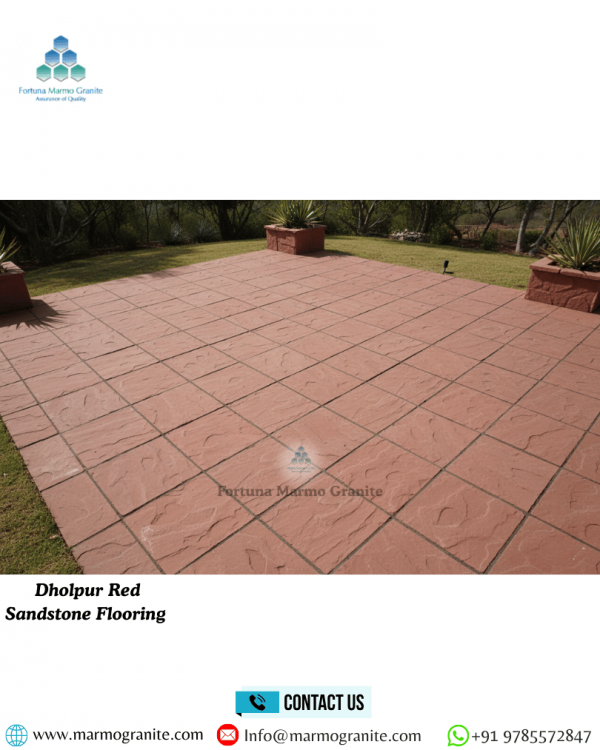
- Deep Reds and Oranges: Often seen in the American Southwest, these colors feel bold and grounded.
- Cool Greys and Tans: Great for modern, minimalist designs.
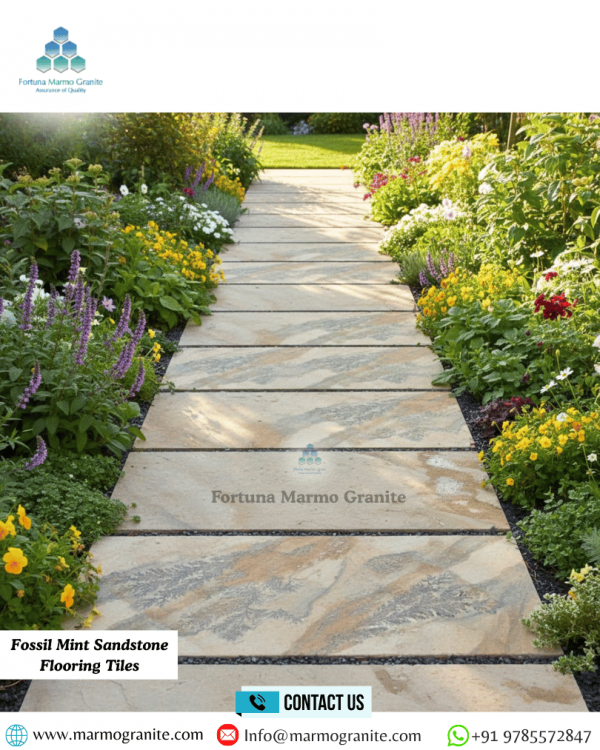
- Multi-colored Swirls: Some stones feature "rainbow" patterns where different minerals have bled into the sand over time.
Texture and Finish
Sandstone is incredibly versatile in how it can be finished:
- Natural/Riven: It looks rugged and "straight from the earth."
- Polished: It becomes smooth and elegant, perfect for indoor floors.
- Bush-Hammered: It gets a textured, pitted look that adds a rustic charm.
3. The Timeless Appeal: Always in Fashion
It Ages Gracefully
Most building materials look their best the day they are installed and get uglier as they age. Sandstone is the opposite. As it "weathers," it develops a patina—a natural character that makes the building look more established and dignified.
Works with Any Style
Sandstone isn't just for old castles.
- For Traditional Homes: Use it for fireplaces or grand entrance pillars.
- For Modern Homes: Use large, flat sandstone tiles for a sleek, "organic modern" look.
- For Landscaping: It's the king of the garden, used for retaining walls, benches, and stepping stones.
4. The Practical Benefits of Using Sandstone
Thermal Insulation
Sandstone is a great natural insulator. Because of its density, it helps keep the heat out during the summer and holds the warmth in during the winter. This can actually help lower your energy bills over time.
Low Maintenance
You don't need to paint sandstone. You don't need to worry about it rusting or rotting. A simple wash with a garden hose or a power washer once a year is usually all it takes to keep it looking brand new. If it's used indoors, a quick sealant application every few years will protect it from stains.
Eco-Friendly and Sustainable
As we move toward "greener" building practices, sandstone is a top contender. It is a natural product that requires very little processing compared to concrete or plastic-based materials. It doesn't off-gas harmful chemicals, and it is 100% recyclable.
Why Sandstone Increases Property Value
If you are building or renovating a house to sell, sandstone is a smart investment. Buyers recognize quality. When a person sees a sandstone floor or a sandstone-clad exterior, they immediately think "high-end" and "permanent." It gives a home a sense of luxury and "curb appeal" that synthetic materials simply cannot match.
Summary: A Solid Investment
Choosing sandstone for your building project is a way of connecting the past with the future. You are choosing a material that:
- Stands up to the toughest weather.
- Provides a unique, natural beauty that no factory can replicate.
- Stays stylish for decades, ensuring your home never looks "dated."
Whether you are building a small garden path or your "forever home," sandstone provides a foundation of elegance and strength. It is a gift from the earth that allows us to build things that truly last.
Comparison Table: Sandstone vs. Other Materials
Conclusion
In conclusion, sandstone continues to be a preferred choice for building construction due to its impressive strength, natural beauty, and timeless appeal. Its durability, weather resistance, and versatile finishes make it ideal for both structural and decorative applications, from facades and flooring to landscaping and architectural accents.
Indian Granite Supplier, With its warm textures and enduring performance, sandstone enhances the character and longevity of any project. Fortuna Marmo Granite takes pride in supplying premium-quality sandstone tailored to diverse construction needs, ensuring consistent quality, precise processing, and reliable global delivery for projects of every scale.