
Marble Stone Guide: Types, Uses & Advantages for Your Project
Marble Stone Guide, So, you've decided to upgrade your home, and "Marble" is the word on your mind. We get it. There's something about marble that feels like a mix of old-world royalty and modern-day luxury. But walk into a stone yard without a plan, and you'll quickly realize that not all marble is created equal.
Indian Marble Supplier, Whether you're dreaming of a sleek kitchen island or a bathroom that feels like a five-star spa, this guide will break down the types, uses, and benefits of marble in plain, simple English.
What Exactly is Marble?
Before we dive into colors and patterns, let's talk about what this stuff actually is. Marble is a metamorphic rock. In "human words," that means it started out as limestone. Over millions of years, intense heat and pressure deep inside the earth cooked that limestone, recrystallizing it into the beautiful, veined stone we see today.
The "veins" (those wavy lines) are actually mineral deposits like clay, silt, or iron that got trapped in the stone. This is why no two slabs of marble look exactly the same. When you buy marble, you're buying a one-of-a-kind piece of Earth's history.
Popular Types of Marble
- Carrara Marble
This is the "classic" marble. It usually has a grayish-white background with soft, feathery grey veins. It's the most common type and often the most affordable. If you want that timeless, clean look, Carrara is your best friend.
- Calacatta Marble
Often confused with Carrara, Calacatta is much rarer and more expensive. It has a bright, crisp white background and very bold, thick veins. It looks incredibly dramatic and is usually used as a "statement piece" (like a massive kitchen island).
- Statuario Marble
Think of this as the middle ground between the first two. It has a bright white background like Calacatta but with more consistent, grey veining. It's the gold standard for high-end interior design.
- Nero Marquina
Who says marble has to be white? Nero Marquina is a stunning black marble with bright white veins. It's perfect for people who want a "moody" or masculine vibe in their office or bathroom.
Best Ways to Use Marble in Your Project
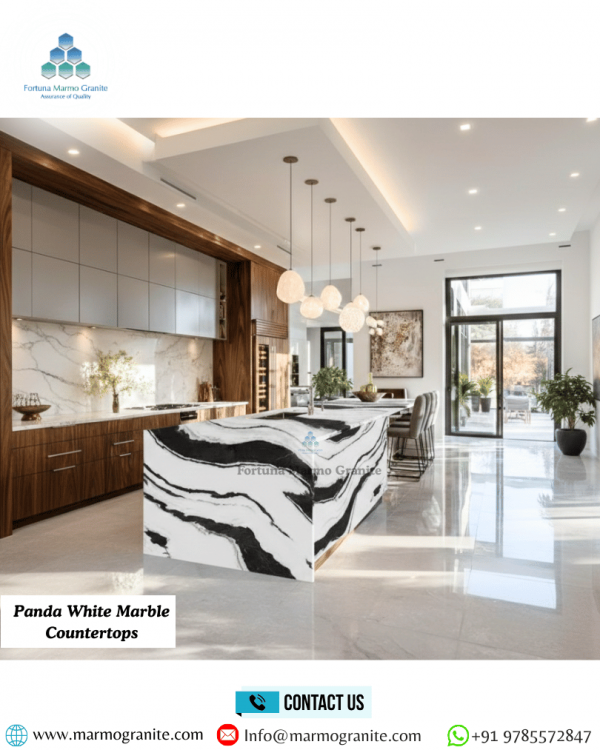
Kitchen Countertops
This is the big one. Marble is naturally cool to the touch, which makes it a dream for people who love to bake (it keeps dough from sticking!). Just remember: marble is porous, so if you spill red wine or lemon juice, you need to wipe it up fast.
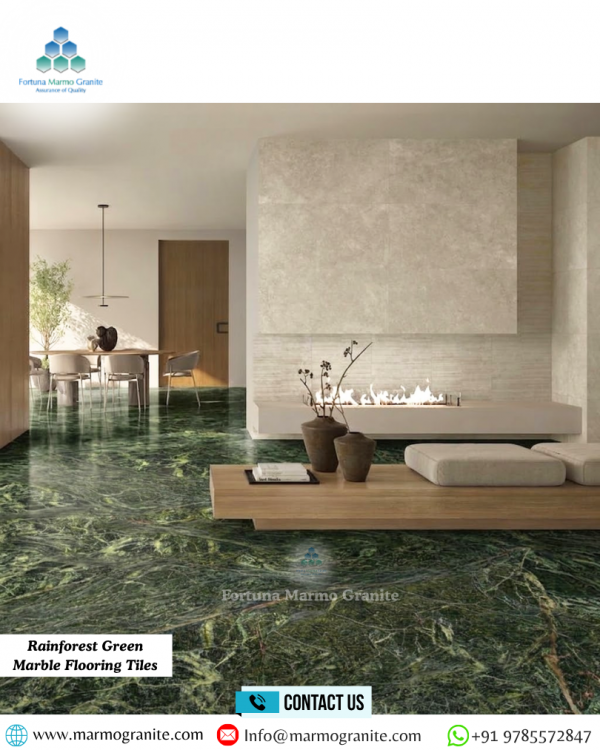
Flooring
Nothing says "luxury" like a marble floor. It reflects light beautifully, making small rooms feel much larger and brighter. It's best used in entryways or living areas where people aren't likely to drop heavy pots and pans.
Bathroom Vanities and Showers
Since bathrooms aren't usually high-traffic areas for "staining" liquids (like coffee or wine), marble is a perfect fit here. A marble shower wall can turn a boring morning routine into a luxury experience.
Fireplace Surrounds
Marble is heat-resistant, making it a safe and gorgeous choice for framing a fireplace. It creates a focal point in the living room that draws everyone's eyes.
The Big Advantages of Choosing Marble
Why choose marble over cheaper alternatives? Here are the facts:
- Timeless Beauty: Trends come and go, but marble has been "in style" for thousands of years. It never looks dated.
- Increases Home Value: Real estate agents love marble. Having it in your kitchen or master bath can significantly bump up your home's resale value.
- Durability: While it can scratch, marble is incredibly tough. If you take care of it, it will literally last a lifetime.
- Naturally Heat Resistant: It won't melt or burn if you set a hot hair straightener or a warm plate on it.
- Unique Patterns: Since it's a natural product, your home will have a pattern that exists nowhere else in the world.
A Note on Maintenance (Keeping it Simple)
We have to be honest: marble is a bit of a "diva." It requires a little more love than laminate or quartz.
- Seal It: You should apply a stone sealer every 6 to 12 months. This creates an invisible barrier that helps prevent stains.
- Use Coasters: Always use coasters for drinks and mats for hot pans.
- Clean Gently: Skip the harsh chemicals or vinegar. A simple mix of warm water and mild dish soap is all you need.
- Embrace the "Patina": Over time, marble will get tiny scratches or dull spots called "etching." Many people think this adds character and tells the story of the home.