
Indian Marble or Italian Marble Flooring? Pros, Cons & Key Differences
Indian Marble vs Italian Marble Flooring, Choosing the right flooring for your home is like picking the right outfit for a big event—it sets the entire mood. In the world of luxury interiors, the debate usually boils down to two heavyweights: Indian Marble and Italian Marble.
Indian Marble vs Italian Marble Flooring, Both are stunning, natural stones that scream elegance. However, they are worlds apart when it comes to durability, cost, and maintenance. Indian Marble Supplier, If you're scratching your head wondering which one will look better in your living room (and survive your daily life), this guide is for you.
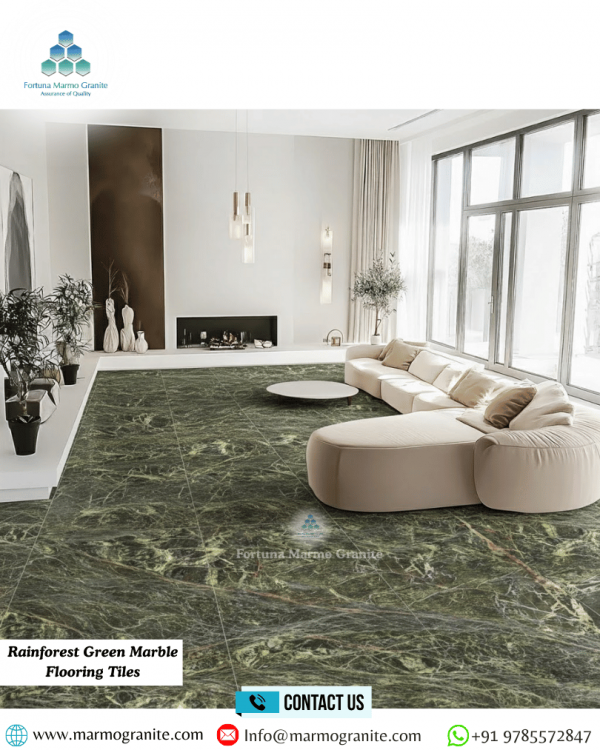

1. Indian Marble: The Sturdy Workhorse
The Pros:
- High Durability: Indian marble is harder than its Italian counterpart. It can handle heavy foot traffic, making it perfect for hallways and kitchens.
- Low Maintenance: It doesn't stain as easily and is less likely to chip.
- Eco-Friendly (for Indians): Since it's sourced locally, the carbon footprint from transportation is much lower.
- Cost-Effective: Because it's available in abundance locally, it is significantly cheaper than imported stone.
The Cons:
- Lustre: While it shines beautifully, it doesn't have that "mirror-like" glass finish that Italian marble is famous for.
- Consistency: Because it's a natural stone, finding a perfectly consistent pattern across a large area can be a bit of a hunt.
2. Italian Marble: The Glamorous Diva
The Pros:
- Unmatched Beauty: It has a unique, pearly sheen and a delicate, "dreamy" appearance.
- High Shine: When polished, Italian marble looks almost like a sheet of glass.
- Status Symbol: Let's be honest—nothing says "luxury" quite like a Statuario floor.
The Cons:
- Soft and Fragile: Italian marble is much softer than Indian marble. It is prone to cracks and scratches.
- Porous: It absorbs liquids quickly. A spilled glass of red wine or a drop of lemon juice can leave a permanent stain if not cleaned immediately.
- Expensive: Between the import duties and the shipping costs, your wallet will definitely feel the pinch.
3. Key Differences at a Glance
4. Deep Dive: Which One Should You Choose?
The "Life Proof" Test
If you have a busy household with kids, pets, or frequent guests, Indian Marble is the clear winner. You won't have to panic every time someone drops a spoon. It is tough, resilient, and stays beautiful for decades with basic care.
On the other hand, Italian Marble is like a high-maintenance sports car. It looks incredible, but you have to be careful with it. It's best suited for areas with low foot traffic, like a formal drawing room or a master bathroom where you want that "spa-like" feel.
The Installation Factor
This is where many homeowners get caught off guard. Italian marble is so soft that it often comes with a nylon backing or is treated with epoxy resins to give it strength during transport. You cannot hire just any contractor to lay Italian marble; you need specialists who know how to handle its fragility.
Indian marble is much more forgiving. Most local masons are experts at cutting and laying it without much fuss.
The Style Aesthetic
- Indian Marble offers a wide variety of colors—greens (Udaipur Green), pinks, and various shades of white and grey. It feels grounded and traditional.
- Italian Marble is famous for its whites and creams with grey or gold veins. It feels modern, airy, and incredibly sophisticated.
5. Maintenance Tips for Both
Regardless of which one you choose, marble is a natural stone and needs love. Here's how to keep it sparkling:
- Seal It: Both types of marble should be sealed with a high-quality impregnating sealer every few years to prevent staining.
- Avoid Acids: Never use vinegar or harsh chemical floor cleaners. Use a pH-neutral soap or a cleaner specifically made for stone.
- Mop Daily: Dust and grit act like sandpaper under your feet. Daily dry-mopping is a must.
- Polish when Dull: If the floor loses its shine after a few years, you can get it re-polished to bring back the original glow.
Conclusion
Choosing between Indian marble and Italian marble flooring ultimately depends on your design vision, budget, and performance expectations. Indian marble is widely appreciated for its durability, affordability, and suitability for diverse climatic conditions, making it a practical choice for both residential and commercial projects. On the other hand, Italian marble is admired for its luxurious appeal, refined veining, and premium finish that enhances high-end interiors.
Understanding the pros, cons, and key differences helps you make a well-informed decision that aligns with your aesthetic goals and long-term maintenance preferences. Indian Granite Supplier, With a strong commitment to quality and craftsmanship, Fortuna Marmo Granite offers a wide selection of premium marble flooring options, ensuring reliable supply, precise finishing, and exceptional value for projects worldwide.