
How to Seal a Granite Tombstone to Prevent Water Damage
How to Seal a Granite Tombstone, When we lose a loved one, the monument we place at their final resting place is more than just a stone; it is a permanent tribute to a life lived. Granite is often the top choice for tombstones because of its legendary durability and natural beauty. However, even the toughest rock on earth isn't completely invincible.
weatherproofing granite tombstones for outdoor use, Over time, nature takes its toll. Rain, snow, humidity, and even morning dew can slowly seep into the pores of the stone, leading to staining, biological growth, and structural cracking. Learning how to properly seal a granite tombstone is one of the most proactive ways you can honor that memory and ensure the monument stands tall and beautiful for generations.
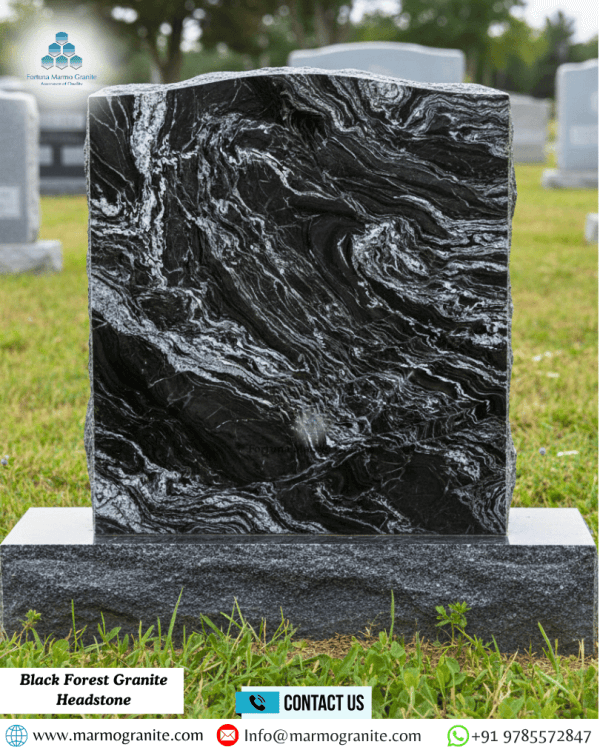
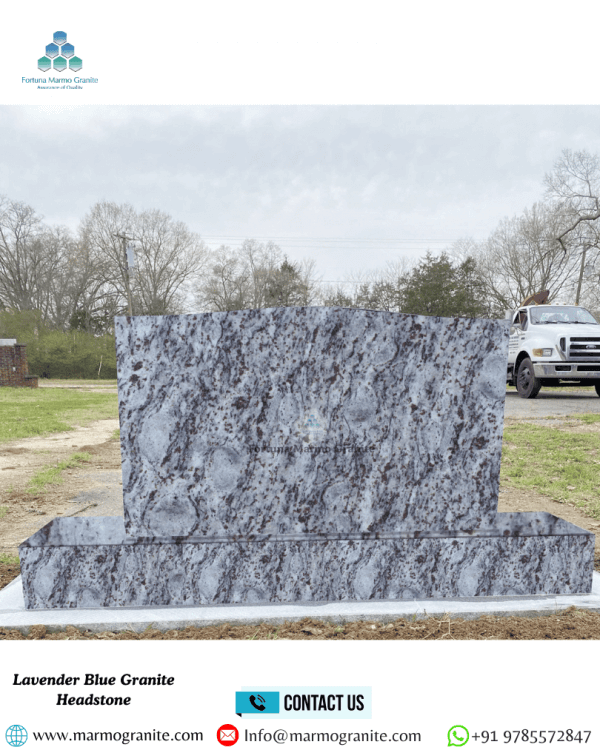
Why Does Granite Need Sealing?
best sealer for granite tombstones outdoors, Many people assume that because granite is "hard as a rock," it's waterproof. In reality, granite is a porous igneous rock. If you looked at it under a microscope, you would see a network of tiny tunnels and pockets.
1. The Threat of Water Absorption
When water sits on the stone, it can migrate into these tiny pores. If that water is carrying dirt, minerals, or bird droppings, it pulls those contaminants deep into the stone, creating deep-seated stains that are almost impossible to clean.
2. Freeze-Thaw Cycles
In colder climates, water trapped inside the granite can freeze. When water freezes, it expands. This creates internal pressure that can cause "spalling" (chipping) or hairline fractures that eventually split the stone.
3. Biological Growth
Damp stone is a playground for mold, mildew, algae, and lichen. These organisms don't just look messy; they produce acidic byproducts that can actually eat away at the polish and finish of the granite over several decades.
Tools and Materials You'll Need
Before you head to the cemetery, you need to gather the right supplies. Using the wrong chemicals can do more harm than good, so it's important to be specific.
- Distilled Water: Tap water often contains minerals like iron or calcium that can leave streaks.
- Non-Ionic Cleaner: Look for a cleaner specifically designed for headstones (like D/2 Biological Solution) or a very mild, pH-neutral dish soap.
- Soft Bristle Brushes: Use nylon brushes. Never use wire or metal brushes, as they will scratch the polish and leave metal traces that will rust.
- Microfiber Cloths: For drying and buffing.
Penetrating Granite Sealer: Ensure it is a "breathable" or "impregnating" sealer. You do not want a "top-coat" or "gloss" sealer that sits on the surface, as these can trap moisture inside and cause the stone to suffocate and crumble.
Step 1: Check the Condition of the Stone
Before you apply a drop of sealer, you must inspect the tombstone.
Is it stable? Ensure the stone isn't leaning or loose on its base. Safety first—never work on a stone that feels wobbly. Is it crumbling? If the granite is already flaking off or feels "sugary" to the touch, do not seal it. Sealing a deteriorating stone can trap the decay process inside. In this case, consult a professional conservator. Check the weather. You need a dry window of at least 24 to 48 hours. If it rains right after you seal it, the sealer won't bond correctly.
Step 2: Deep Cleaning
You can't seal a dirty stone. If you do, you are essentially "locking in" the dirt and stains forever.
- Saturate with Water: Drench the stone with distilled water. This prevents the cleaning solution from soaking in too deep initially.
- Scrub Gently: Apply your non-ionic cleaner and scrub in circular motions from the bottom up. (Cleaning from the bottom up prevents dirty water from running down and creating permanent "streak" stains on dry areas).
- Rinse Thoroughly: Use plenty of water to ensure no soap residue remains.
The Waiting Game: This is the most important part. The stone must be bone dry. Even if the surface looks dry, the interior pores might still hold moisture. It is best to clean the stone on one day and return 24 hours later to seal it.
Step 3: Applying the Sealer
Once the stone is clean and dry, it's time to protect it.
The Application Process
- Test a Small Area: Always apply the sealer to a small, inconspicuous spot (like the bottom side or back) to ensure it doesn't change the color of the stone in a way you dislike.
- Apply Evenly: Use a clean cloth or a small sprayer to apply the penetrating sealer. Work in sections. You want the stone to look "wet" but not have deep puddles.
- Let it Soak: Allow the sealer to sit for the time recommended on the bottle (usually 5 to 10 minutes). This allows the liquid to "impregnate" the pores.
- Wipe the Excess: This is the golden rule of sealing. Wipe off any sealer that hasn't soaked in. If you let excess sealer dry on the surface, it can leave a hazy, sticky film that attracts more dirt.
Common Mistakes to Avoid
- Using Household Bleach: Never use bleach or acidic cleaners (like vinegar). These can cause "yellowing" of the stone and chemically react with the minerals in the granite.
- Sealing Too Often: You don't need to do this every month. High-quality granite sealers usually last 3 to 5 years. Over-sealing can lead to a buildup that dulls the natural shine.
- Using Pressure Washers: High pressure can force water deep into fissures and actually widen cracks. Stick to the garden hose or a bucket and sponge.
Maintenance Between Sealings
Sealing is a great shield, but it isn't a "set it and forget it" solution. To keep the tombstone looking its best:
- Remove Debris: Periodically brush away fallen leaves, grass clippings, or bird droppings. When these sit and rot, they create organic stains.
- Avoid Wax: Some people try to use car wax to make a headstone shine. Avoid this, as wax yellows in the sun and traps moisture.
- Water Only: Often, a quick rinse with distilled water and a wipe with a microfiber cloth is all you need for monthly maintenance.
Conclusion
Sealing a granite tombstone is a simple yet essential step to protect it from water damage, stains, and the effects of weather over time, helping preserve its beauty, inscriptions, and structural integrity for years to come. How to Seal a Granite Tombstone, By choosing the right sealer, preparing the surface properly, and following correct application and maintenance practices, you can ensure long-lasting protection and honor the memory it represents with dignity and care.
Indian Granite Headstones Manufacturer & Supplier, At Fortuna Marmo Granite, we provide high-quality Indian granite tombstones crafted for durability and outdoor performance, along with expert guidance to help you maintain them in the best possible condition for generations.