
How to Maintain and Care for Quartz Countertops for Long-Term Shine
How to Maintain and Care for Quartz Countertops, So, you've just installed quartz countertops. Or maybe you've had them for a while and you're starting to wonder if that "indestructible" label everyone gave them was a bit of an exaggeration.
First off, let's clear something up: Quartz is a rockstar of the kitchen world. It's tough, it's beautiful, and it doesn't need to be sealed every year like granite or marble. But "low maintenance" doesn't mean "no maintenance." If you want that showroom sparkle to last until 2040, you've got to treat it right.
Here is your ultimate, no-nonsense guide to keeping your quartz looking brand new.

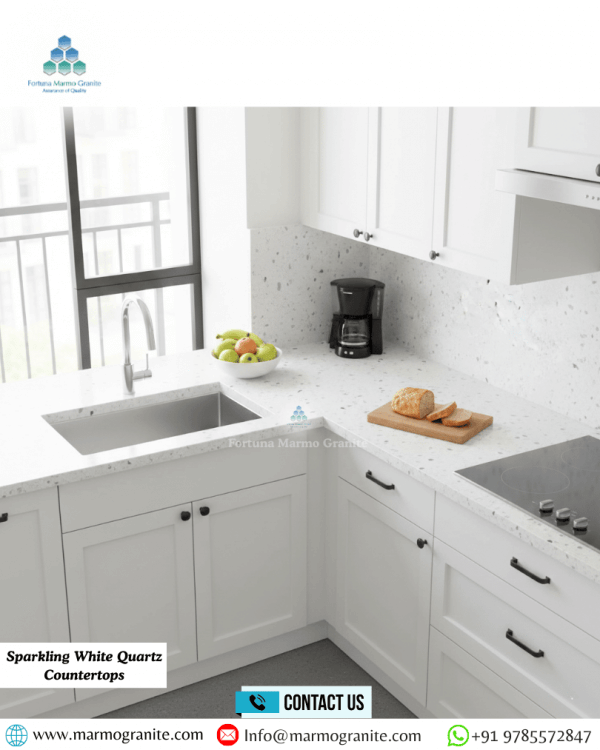
What Exactly is Quartz? (And Why It Matters)
To take care of something, you have to understand what it is. Quartz countertops are "engineered stone." They are made of about 90-95% crushed natural quartz crystals mixed with 5-10% polyester resins and pigments.
The resin is the secret sauce. It makes the surface non-porous, meaning bacteria and wine stains can't easily soak in. However, that resin is also the "weak point" when it comes to heat and harsh chemicals. Treat the resin well, and the stone will follow.
1. The Daily Routine: Keep It Simple
You don't need a cabinet full of expensive "stone rejuvenators" for daily life. In fact, simpler is almost always better.
- The Magic Combo: Warm water and a drop of mild dish soap. That's it.
- The Tool: Use a soft microfiber cloth or a non-abrasive sponge. Avoid those scratchy green scouring pads; they can dull the polished finish over time.
- The Technique: Wipe down the surface, then—this is the important part—buff it dry with a clean cloth. If you let soapy water air-dry, you'll get a cloudy film that makes the quartz look dull.
2. Dealing with Spills: The "Golden Rule"
The Usual Suspects:
- Red wine
- Coffee and tea
- Lemon juice or vinegar
- Tomato sauce
- Turmeric (the ultimate quartz enemy!)
The Fix: Wipe these up immediately. If a stain does start to settle, don't panic. Use a glass cleaner (like Windex) or a specialized quartz cleaner to lift it. For stubborn, dried-on gunk (like spilled candle wax or dried food), gently scrape it off using a plastic putty knife. Never use a metal blade!
3. The "Big No-Nos": What to Avoid
Harsh Chemicals
Avoid anything with a high pH (bleach) or a very low pH (oven cleaners). Avoid turpentine, drain cleaners, and paint thinners. These chemicals can break down the bond between the quartz and the resin, leading to permanent discoloration or "etching."
Abrasive Scrubbers
Stay away from "Magic Erasers" for daily cleaning. While they seem soft, they are actually a very fine abrasive (basically like super-fine sandpaper). If you scrub too hard in one spot, you'll create a permanent "flat" spot in the shine that you'll see every time the light hits it.
4. The Heat Factor: Don't Melt Your Investment
This is the most common way people ruin quartz. Because quartz contains resin (plastic), it can technically melt or burn.
- The Danger Zone: Anything over 300°F (150°C) can cause a "thermal shock" crack or leave a yellow singe mark that cannot be polished out.
- The Solution: Always, always use a trivet or a hot pad. Don't set a boiling pot, a slow cooker, or a hot hair straightener directly on the surface. Even if it feels "fine" at first, repeated heat exposure can weaken the slab.
- Cutting and Scratching
Quartz is one of the hardest minerals on Earth, but the resin isn't.
- Use a Cutting Board: Using your countertop as a chopping block is a bad idea for two reasons: it will eventually dull the finish of the stone, and it will definitely ruin your expensive knives.
- Watch the Impact: Quartz is brittle. Dropping a heavy cast-iron skillet on the edge of a quartz counter is a recipe for a "chip." Be extra careful around the sink area and the corners.
- How to Get That Deep Shine Back
If your countertops look a bit "blah" after a few years, it's usually just a buildup of grease or soap film. Here's how to do a deep clean safely:
- De-grease: Use a dedicated stone soap or a mixture of water and 70% isopropyl alcohol. The alcohol cut through grease and evaporates quickly, leaving a streak-free shine.
- Glass Cleaner: Occasional use of a non-bleach, non-ammonia glass cleaner is a great way to bring back the "pop."
- Professional Buffing: If you have actual scratches or heavy dulling, don't try to fix it yourself with sandpaper. Call a professional stone fabricator. They have specific diamond-polishing pads that can resurface the quartz without ruining it.
7. Preventing "Limescale" Around the Faucet
If you live in an area with hard water, you might notice white, crusty buildup around your sink. This makes the quartz look dirty no matter how much you wipe it.
- Don't use Lime-A-Way: These are often too acidic.
- The Safe Way: Soak a paper towel in a 50/50 mix of water and white vinegar. Lay it over the scale for only 10-15 minutes. Scrub gently with a soft brush, then rinse thoroughly with water. Because vinegar is acidic, don't leave it on for hours, or it might dull the finish.
Summary Checklist for Long-Term Success
Conclusion
Proper maintenance is the key to preserving the lasting shine and flawless appearance of quartz countertops. With simple daily cleaning, prompt spill removal, and avoiding excessive heat or harsh chemicals, quartz surfaces can maintain their smooth finish and vibrant look for years. Unlike many natural stones, quartz requires minimal upkeep, making it a practical yet stylish choice for modern homes and commercial spaces.
Indian Granite Supplier, How to Maintain and Care for Quartz Countertops, By following the right care routine, you can protect your investment and ensure long-term durability without compromising on elegance. For premium-quality quartz surfaces crafted with precision and reliability, Fortuna Marmo Granite offers exceptional solutions designed to combine beauty, strength, and long-lasting performance.