
How to Choose the Right Sandstone for Your Home or Commercial Project
How to Choose the Right Sandstone, Choosing the right sandstone can feel like a big task, especially when you are looking at dozens of colors and textures. Sandstone is one of the most popular natural stones in the world because it is durable, beautiful, and versatile. Whether you are building a cozy patio at home or a large walkway for a shopping mall, picking the right type is the key to a long-lasting result.
How to Choose the Right Sandstone, In this guide, we will break down everything you need to know in simple, easy-to-understand language.
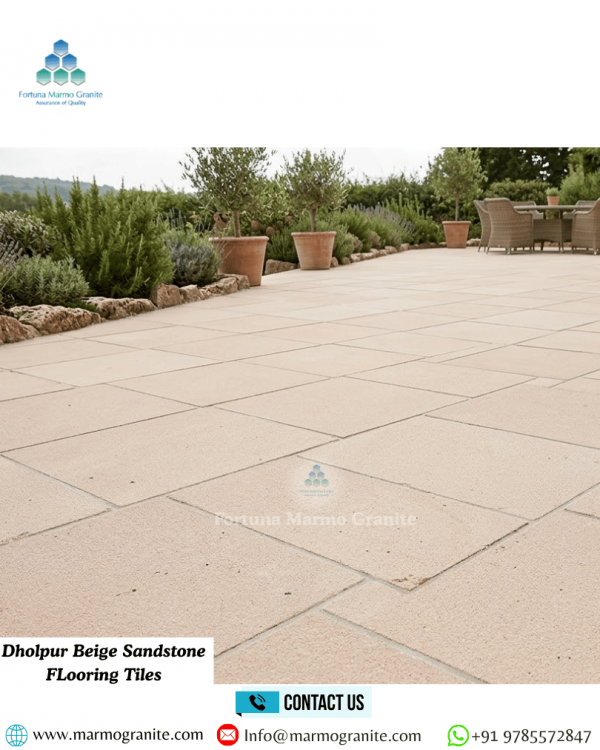
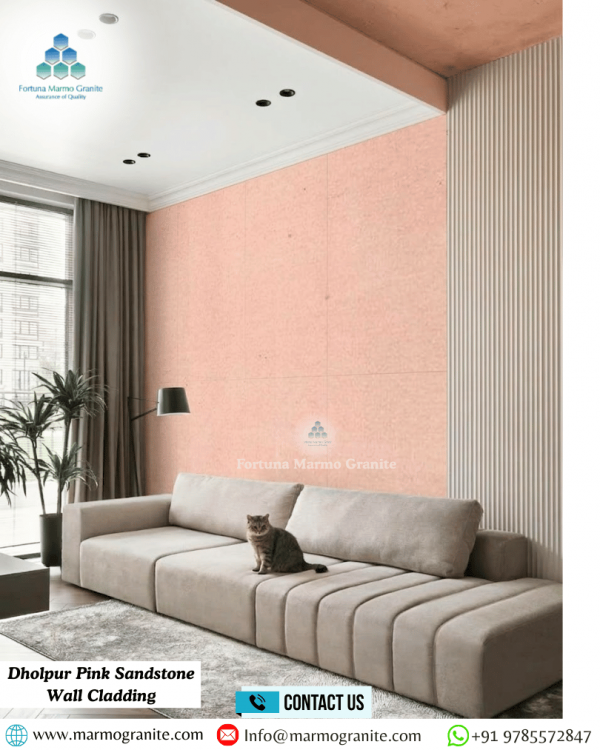
1. Understand What Sandstone Is
Before you buy, it helps to know what you are working with. Sandstone is a sedimentary rock made mostly of sand-sized grains of minerals or rock. Because it is formed by nature over millions of years, every slab is unique. It is generally slip-resistant, which makes it a favorite for outdoor areas, but some types are denser and stronger than others.
2. Think About the Location: Indoor vs. Outdoor
Outdoor Projects
For gardens, driveways, or pool decks, you need a stone that can handle the weather. You should look for:
- Frost Resistance: If you live in a cold area, you need stone that won't crack when the water inside it freezes.
- Thickness: Driveways need thicker slabs (usually 30mm to 50mm) to support the weight of cars, while garden paths can be thinner.
Indoor Projects
For flooring or wall cladding inside a house, you have more freedom. You can choose "honed" or "polished" finishes that feel smooth under your feet. Since indoor stone isn't fighting rain or snow, you can focus more on the color and style than the thickness.
3. Choose the Right Color for Your Theme
Sandstone comes in a rainbow of "earth tones." Because it's a natural product, the colors aren't solid like paint; they have swirls, spots, and gradients.
- Beige and Cream: These are classic. They make a small space feel bigger and brighter. They match almost any furniture or paint color.
- Grey and Silver: These are very popular for modern, "industrial" looks. They look sleek and clean.
- Red and Pink: These give off a warm, Mediterranean or desert vibe. They are great for making a large outdoor space feel cozy.
- Yellow and Mint: These often have beautiful wood-like patterns and fossil marks that act as a conversation starter.
Pro Tip: Always ask for a sample. Natural stone looks different under the bright sun than it does under shop lights.
4. Pick the Right Surface Finish
The way the top of the stone feels is called the "finish." This changes how the stone looks and how safe it is.
- Natural Cleft (Riven): This is the "bumpy" surface that happens when the stone is split naturally. It looks very rustic and provides excellent grip, making it perfect for pool sides or rainy climates.
- Honed: This is sanded down until it is flat and smooth but not shiny. It's great for indoor floors because it's easy to mop.
- Shot-blasted or Sand-blasted: This gives the stone a grainy, textured finish. It's very modern and provides a middle ground between smooth and rough.
- Check the Density and Porosity
Not all sandstones are created equal. Some are "soft" and soak up water like a sponge (porous), while others are "hard" and very dense.
If you are using sandstone in a kitchen or a high-traffic commercial area, you want a dense sandstone. Why? Because a porous stone will soak up spilled red wine, oil, or coffee, leaving a permanent stain. If you fall in love with a porous stone, don't worry—you can still use it, but you must use a high-quality sealer to protect it.
- Consider the Maintenance
Let's be honest: no one wants a floor that takes five hours to clean. Sandstone is generally low-maintenance, but here are a few things to keep in mind:
- Sealing: Most experts recommend sealing sandstone once every 1 to 2 years. This keeps water out and prevents moss or algae from growing on outdoor paths.
- Cleaning: Use pH-neutral cleaners. Avoid harsh chemicals like bleach or vinegar, as these can eat away at the natural minerals in the stone and make it look dull.
- Sweeping: For outdoor areas, a simple sweep and a wash with a garden hose once a week will keep it looking brand new.
7. Matching the Stone to Your Project Type
Residential (Homes)
In a home, comfort and beauty come first. You might choose a Tandur Grey or a Modak Sandstone for a backyard patio where you plan to host barbecues. These stones are tough enough for kids and pets but look elegant.
Commercial (Business/Public Areas)
For hotels, office plazas, or public parks, the "Technical Data" matters more. You need a stone with high Compressive Strength (how much weight it can take before breaking). You also want a stone that is consistent in color so that if you need to replace one slab in five years, the new one won't look completely different from the rest.
8. Budgeting: It's More Than Just the Stone
When you are calculating the cost, remember to include:
- The Stone Itself: Prices vary by rarity and origin.
- Shipping: Stone is heavy! If you are importing it from a distant quarry, the freight cost can be high.
- Installation: Hiring a professional who knows how to lay natural stone is worth every penny. If it's laid on a bad foundation, even the most expensive stone will crack.
- Wastage: Always order about 10% more than you need. Some pieces might break during cutting, or you might want to keep a few matching slabs in the garage for future repairs.
Summary Checklist for Your Project
Before you swipe your card, run through this quick list:
- [ ] Traffic: Is it a high-walking area? (Pick a dense stone).
- [ ] Slip Risk: Will it get wet? (Pick a riven or sand-blasted finish).
- [ ] Color: Does it match my walls or landscaping?
- [ ] Budget: Did I include the 10% extra for wastage?
- [ ] Sealer: Do I have the right product to protect the stone?
Conclusion
Choosing the right sandstone for your home or commercial project requires careful consideration of factors such as durability, color consistency, finish, and suitability for the intended application. By understanding your design goals and environmental conditions, you can select a sandstone that not only enhances the visual appeal of your space but also ensures long-lasting performance.
Indian Granite Supplier, How to Choose the Right Sandstone, Whether for flooring, wall cladding, paving, or landscaping, the right choice will add natural elegance and value to your project. With a strong commitment to quality and craftsmanship, Fortuna Marmo Granite offers a wide range of premium sandstone options tailored to meet diverse project needs, ensuring reliability, aesthetic excellence, and customer satisfaction worldwide.