
How to Choose the Best Quartz Countertops for Your Interior
How to Choose the Best Quartz, Choosing the perfect countertop is a bit like choosing the perfect pair of jeans. It has to look great, fit your style, and—most importantly—stand up to the wear and tear of daily life.
How to Choose the Best Quartz, If you've landed on quartz, you've already made a smart move. It's durable, low-maintenance, and frankly, gorgeous. But walk into a showroom and you'll realize there isn't just "one" quartz. There are thousands of colors, patterns, and finishes.
Here is your ultimate, fluff-free guide to choosing the best quartz countertops for your home.
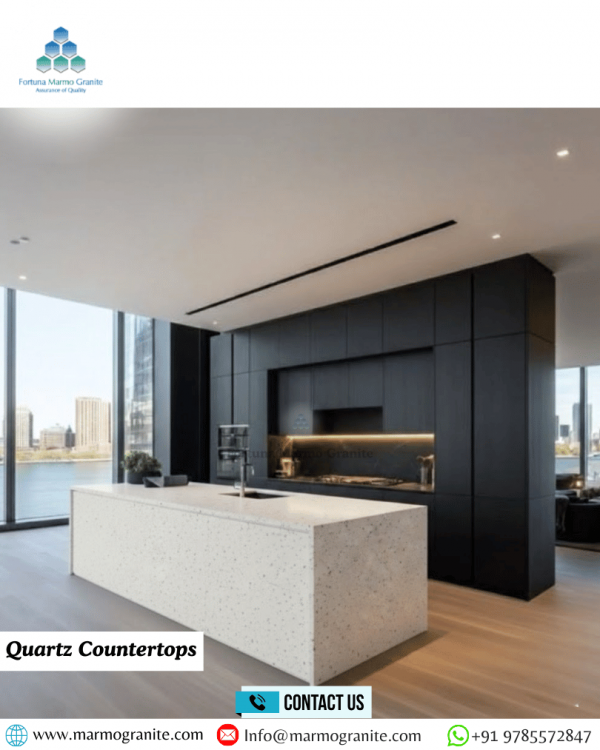
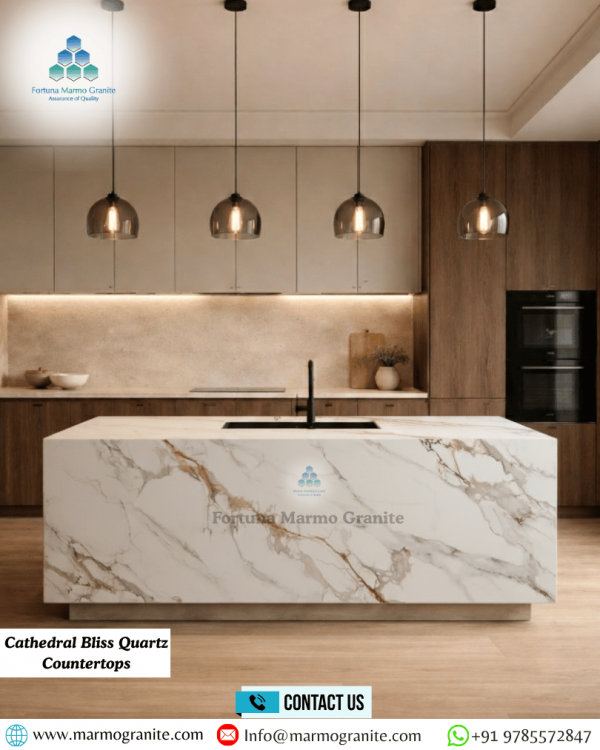
What Exactly is Quartz? (And Why Should You Care?)
Before we dive into aesthetics, let's clear up a common myth: Quartz is not a 100% natural stone like marble or granite. It's an engineered stone.
Manufacturers take about 90-95% crushed natural quartz (one of the hardest minerals on Earth) and mix it with resins, polymers, and pigments.
Why this matters for you:
- Non-porous: It won't soak up red wine or coffee like marble does.
- Toughness: It's incredibly hard to chip or crack.
- Consistency: Unlike natural stone, the slab you see in the sample is almost exactly what you'll get in your kitchen.
1. Start with the "Vibe" (Color and Pattern)
The Marble Look-Alike
If you love the classic, high-end look of Carrara or Calacatta marble but dread the thought of lemon juice etching the surface, look for quartz with veining. Modern technology has become so good that it's hard to tell the difference.
- Best for: Traditional, Transitional, or "Organic Modern" styles.
The Solid Minimalist
If you want a sleek, ultra-modern kitchen, go for a solid color with little to no movement. A crisp white or a deep charcoal gray can make a space feel incredibly clean and architectural.
- Best for: Modern, Industrial, or Scandi-style homes.
The Concrete or Industrial Look
Some quartz brands offer a "raw" or "matte" finish that mimics the look of poured concrete. It's edgy, cool, and much easier to clean than actual concrete.
2. Pick Your Finish: Polished vs. Honed vs. Leathered
Most people default to a shiny surface, but the texture of the stone changes the entire feel of the room.
- Polished: This is the standard. It's glossy, reflects light (making small kitchens feel bigger), and is the easiest to wipe down.
- Honed (Matte): This has a soft, velvety feel with no shine. It's very trendy right now but can be more prone to showing fingerprints or "metal marks" from pots and pans.
- Leathered (Suede): This finish has a slight texture or "pit" to it. It looks very natural and hides smudges beautifully.
3. Think About the Edges
Don't overlook the "profile" of the countertop. The edge detail can take a design from "standard builder grade" to "custom luxury."
- Eased Edge: The most common. It looks like a square edge but is slightly softened so it isn't sharp.
- Bullnose: A fully rounded edge. Great for homes with kids (no sharp corners!), though it can look a bit dated.
- Mitered Edge: This makes the countertop look much thicker than it actually is by joining two pieces at a 45-degree angle. It creates a massive, "chunky" stone look.
- Check the Thickness
Quartz slabs usually come in two standard thicknesses: 2cm and 3cm.
- 3cm (about 1 ¼ inches): This is the gold standard for kitchens. It's heavy, sturdy, and doesn't require an extra plywood sub-base for support.
- 2cm (about ¾ inch): Often used in bathrooms or for vertical accents (like backsplashes). If used in a kitchen, it's usually reinforced at the edges to look thicker.
- Quality Matters: Don't Just Buy the Cheapest Slab
Not all quartz is created equal. While the "recipe" is similar across brands, the quality of the resin and the pressure used during manufacturing vary.
Look for reputable brands like Caesarstone, Silestone, Cambria, or MSI. These companies offer warranties (often 10 years to lifetime) and ensure the resins won't yellow over time when exposed to sunlight.
Pro Tip: Always ask for a "Jumbo Slab" if you have a large island. This helps you avoid "seams" (the lines where two pieces of stone meet), giving your kitchen a seamless, high-end look.
- Lighting is Everything
A slab that looks creamy-white in a bright showroom might look yellow in your kitchen under warm LED lights.
Never buy a countertop without seeing a sample in your actual home. Hold the sample against your cabinets and check it at different times of the day—morning light and evening light can change the color significantly.
- Budgeting Beyond the Stone
When you get a quote for quartz, remember that the price of the "stone" isn't the total price. Make sure your quote includes:
- Fabrication: Cutting the holes for your sink and cooktop.
- Installation: Bringing the heavy slabs in and securing them.
- The Sink: Do you want an undermount sink? That requires a polished cutout, which costs extra.
Summary Checklist for Your Trip to the Showroom
Conclusion
Choosing the best quartz countertops for your interior comes down to balancing design preferences, durability, color consistency, surface finish, and long-term performance. By considering factors such as shade coordination with cabinetry, slab thickness, edge profiles, and the intended usage of the space, you can select a quartz surface that enhances both aesthetics and functionality.
Indian Granite Supplier, How to Choose the Best Quartz, High-quality quartz not only offers stain resistance and low maintenance but also delivers a sleek, contemporary appeal that suits kitchens, bathrooms, and commercial interiors alike. With expert guidance, precise fabrication, and strict quality standards, Fortuna Marmo Granite ensures premium quartz solutions tailored to diverse design needs, helping you create interiors that are stylish, practical, and built to last.