
Granite Cladding for Building Facades: Strength, Style, and Lasting Protection
Granite Cladding for Building Facades, When you walk through a modern city or pass by a luxury estate, certain buildings just seem to "pop." They look solid, expensive, and timeless. More often than not, that "wow factor" comes from granite cladding.
Choosing the right skin for a building is a massive decision. It's not just about picking a pretty color; it's about finding a material that can fight off the rain, survive the scorching sun, and still look brand new twenty years from now. In the world of architecture, granite is the undisputed heavyweight champion.
In this guide, we'll dive into why granite cladding is the gold standard for building facades, focusing on its incredible strength, undeniable style, and the long-term protection it offers.
What Exactly is Granite Cladding?
Before we get into the "why," let's talk about the "what." Granite is a natural igneous rock formed deep underground from cooling magma. This high-pressure, high-heat origin story makes it incredibly dense and hard.
Cladding is the process of applying a layer of one material over another. In this case, thin (but sturdy) panels of granite are attached to the exterior walls of a building. Think of it like a protective, high-fashion suit of armor for a skyscraper or a home.
1. Unmatched Strength: The "Forever" Stone
Resistance to the Elements
Unlike wood that rots or certain metals that rust, granite is practically immune to the weather. It has a very low absorption rate, meaning water doesn't soak into it easily. This is crucial because, in colder climates, water that gets inside stone can freeze and expand, causing cracks (a process called freeze-thaw cycles). Granite shrugs this off with ease.
High Load-Bearing Capacity
Granite is one of the hardest natural stones available, sitting high on the Mohs scale of mineral hardness. It can withstand high pressure and physical impact, making it ideal for the ground floors of commercial buildings where there is high foot traffic and potential for accidental bumps.
2. Timeless Style: The Aesthetic Edge
A Unique Fingerprint
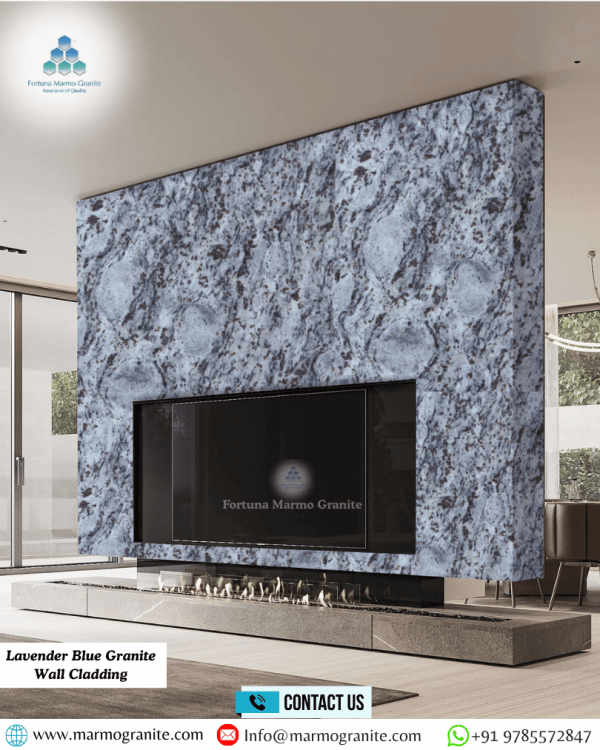
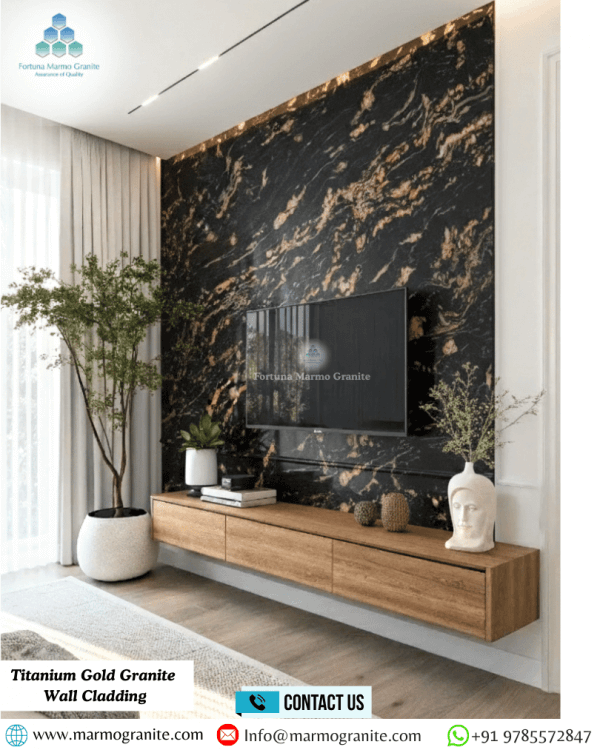
Because granite is a product of nature, no two slabs are exactly alike. Each panel features unique veining, speckles, and crystalline structures. This gives a building facade a "living" look that changes slightly depending on how the sunlight hits it.
Design Versatility
Granite isn't just "grey rock." It comes in a stunning array of colors:
- Deep Blacks and Charcoals: For a sleek, modern, and authoritative look.
- Whites and Light Greys: To make a building look airy, large, and clean.
- Reds, Pinks, and Greens: For those who want to make a bold architectural statement.
Finish Options
You can also change the "vibe" of the granite by choosing different finishes:
- Polished: Shiny and reflective, perfect for high-end luxury.
- Honed: Matte and smooth, offering a sophisticated, understated feel.
- Flamed/Textured: A rougher surface that looks more rustic and natural (and provides great grip for walkways).
3. Lasting Protection: More Than Just a Pretty Face
Thermal Insulation
Granite has excellent thermal mass. This means it's great at absorbing heat during the day and releasing it slowly at night. When used as part of a "ventilated facade" system (where there is a small gap between the stone and the building wall), it creates a natural insulation layer. This keeps the building cooler in the summer and warmer in the winter, leading to lower energy bills.
Fire Resistance
Safety is paramount in modern construction. Granite is naturally fire-resistant. It doesn't catch fire, it doesn't smolder, and it doesn't release toxic fumes when exposed to high heat. This provides an extra layer of security for the people inside.
Low Maintenance
This is perhaps the biggest selling point for property managers. While other materials need to be repainted, sealed, or scrubbed every few years, granite is remarkably low-maintenance. A simple wash with water is usually enough to remove dust and grime. It doesn't fade under UV rays, so the color you pick today is the color you'll see in thirty years.
The Economics: Is It Worth the Investment?
Let's be honest: granite cladding has a higher upfront cost than vinyl, brick, or timber. However, architects view it as a long-term investment.
- Property Value: A building with a granite facade has a significantly higher resale value. It signals quality and luxury.
- Life-Cycle Cost: If you factor in the money saved on repairs, painting, and energy bills over 40 years, granite often ends up being cheaper than "cheaper" materials that need constant upkeep.
- Durability: You aren't building for five years; you're building for a lifetime. Granite is one of the few materials that can outlast the mortgage on the building.
Conclusion
In conclusion, granite cladding stands out as a smart and long-lasting solution for building facades, offering the perfect balance of strength, visual appeal, and weather resistance. Its natural durability, low maintenance needs, and timeless elegance make it ideal for both modern and traditional architectural designs. By choosing high-quality granite and expert craftsmanship, you ensure a façade that remains beautiful and protected for decades. For premium materials and reliable service, Fortuna Marmo Granite delivers expertly processed granite solutions that combine performance, style, and lasting value for every project.