
From Slabs to Installation: A Complete Quartz Countertop Guide
From Slabs to Installation, Upgrading your kitchen or bathroom is one of the most exciting (and slightly nerve-wracking) home improvement projects you can take on. If you've spent any time scrolling through interior design feeds lately, you've likely seen quartz everywhere.
It's the "it" material for a reason. It's tough, beautiful, and doesn't require the constant coddling that natural stone does. But how do you get from a massive raw slab in a warehouse to a stunning, polished surface in your home?
Grab a coffee. We're going to walk through the entire journey of a quartz countertop, from the factory floor to your first dinner party.
1. What Exactly is Quartz? (The "Man-Made" Secret)
Before we dive into the process, let's clear up a common myth: Quartz countertops are not sliced out of the earth in one solid block like granite or marble.
Quartz is an engineered stone. Think of it as the ultimate "best of both worlds" material. It is made of roughly 90-95% crushed natural quartz crystals (one of the hardest minerals on Earth) mixed with about 5-10% polyester resins and pigments.
- The Crystals: Give the slab its strength and sparkle.
- The Resins: Bind everything together, making the surface non-porous (so it won't soak up red wine or olive oil).
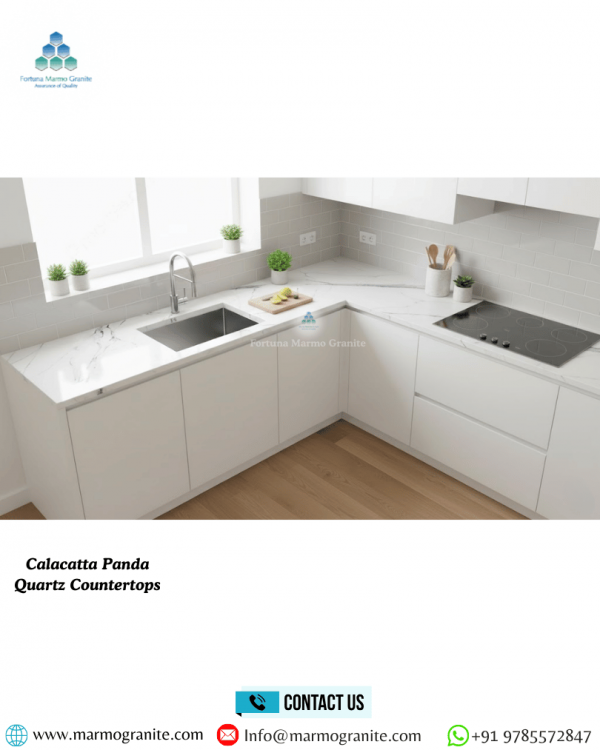
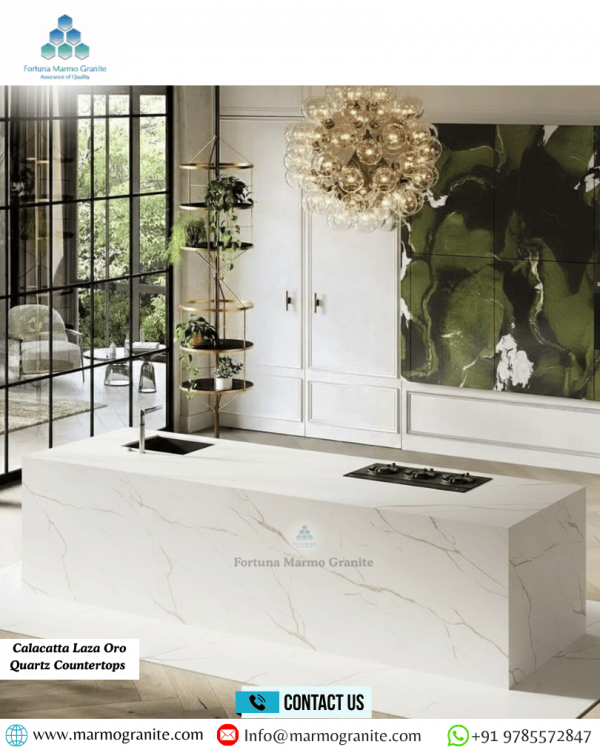
- The Pigments: Allow manufacturers to create colors that don't exist in nature—from lime green to patterns that look exactly like high-end Calacatta marble.
2. Choosing Your Slab: The "First Date"
The process begins at a showroom or a stone yard. Unlike granite, where every slab is wildly different, quartz is fairly consistent. However, it's still a great idea to see a full slab in person rather than relying on a tiny 2-inch sample.
What to look for:
- Color and Pattern: Do you want "veining" (those long streaks that look like marble) or "flecking" (small grains that look like sand)?
- Finish: Most people choose Polished (shiny), but Honed (matte) and Leathered (textured) are becoming huge trends for a more modern, organic feel.
- Thickness: Standard slabs usually come in 2cm or 3cm. Most kitchen experts recommend 3cm for that high-end, chunky look without needing extra plywood support.
3. The Measurement: Precision is Everything
Once you've picked your dream slab, the "Templated" phase begins. A professional will come to your home to take exact measurements.
In the old days, they used sticks and hot glue to build a physical template. Today, most pros use Laser Digital Templating. They use a laser scanner to create a 3D map of your cabinets. This is crucial because, believe it or not, your walls are almost never perfectly straight. The laser catches every tiny bump or curve in your drywall so the quartz can be cut to fit like a glove.
Pro Tip: Make sure your base cabinets are fully installed and leveled before the templating happens. If the cabinets move later, the stone won't fit!
4. Fabrication: Where the Magic Happens
The Layout
If you have a "veined" pattern, the fabricator has to decide where the seams will go. They try to match the patterns at the corners so the veins flow naturally from one piece to the next.
Waterjet Cutting
The slabs are cut using a CNC (Computer Numerical Control) machine or a high-pressure waterjet. These machines are incredibly precise, cutting out the holes for your sink, cooktop, and faucet with millimeter accuracy.
Edge Profiling
This is where you decide the "personality" of your counter.
- Eased Edge: Simple, squared-off, and modern.
- Bullnose: Fully rounded and soft.
- Ogee: An S-shaped curve that looks classic and traditional.
5. Preparation: Getting Your Home Ready
While the shop is cutting your stone, you have some homework to do.
- Clear the Path: These slabs are incredibly heavy (sometimes 600+ pounds). Clear the furniture and rugs between the front door and the kitchen.
- Disconnect the Plumbing: Your old sink and faucet need to be gone. Most countertop installers are stone experts, not licensed plumbers, so you'll likely need to handle the disconnect/reconnect yourself.
- Dust Protection: Cutting and grinding stone (even with vacuum attachments) creates dust. Cover your lower cabinets and nearby electronics with plastic sheets.
6. Installation Day: The Big Reveal
Carrying the Stone
Installers use specialized suction cup handles and "A-frame" carts to move the slabs. They carry them vertically (on their edge) because carrying a long slab flat can actually cause it to snap under its own weight!
Setting and Leveling
The slabs are placed onto your cabinets. If there's a slight wobble, installers use small shims to make sure everything is perfectly level. They then secure the stone to the cabinets using high-strength silicone adhesive.
The Seams
If your kitchen is large, you'll have seams. Installers use a "Seam Setter"—a vacuum tool that pulls the two pieces of stone together with incredible force. They fill the tiny gap with a color-matched epoxy that makes the line almost invisible to the naked eye.
- The Sink and Final Touches
Most modern quartz installs use an undermount sink (where the sink sits under the stone). The installers will glue the sink to the underside of the quartz using heavy-duty clips and waterproof sealant.
Finally, they'll drill the holes for your faucet and soap dispenser on-site to ensure they are exactly where you want them. After a quick wipe-down with denatured alcohol to remove any leftover adhesive, your counters are ready.
- Why Quartz is the "King of Convenience"
Now that it's installed, why will you love it?
- Non-Porous: Unlike granite, quartz doesn't have tiny pores. You don't have to "seal" it every year. It won't harbor bacteria, making it very hygienic for families.
- Stain Resistant: Spilled coffee? Splashed tomato sauce? No problem. Just wipe it up with soap and water.
- Durability: It's very hard to chip or scratch quartz. It's built to handle the chaos of a busy kitchen.
One Small Warning: Heat!
If there is one "kryptonite" for quartz, it's extreme heat. Remember those resins we mentioned earlier? They are essentially plastic. If you take a boiling pot off the stove and set it directly on the quartz, you can cause "thermal shock" or even melt the resin, leaving a permanent ring. Always use a trivet!
Conclusion
From selecting the perfect slab to ensuring flawless installation, quartz countertops offer a seamless combination of beauty, durability, and low maintenance for modern interiors. From Slabs to Installation, Their non-porous surface, wide range of colors and patterns, and resistance to stains and scratches make them a practical yet stylish choice for kitchens, bathrooms, and commercial spaces.
Indian Granite Supplier, From Slabs to Installation, Proper measurement, fabrication, and professional installation are key to achieving a long-lasting and visually stunning result. Fortuna Marmo Granite delivers high-quality quartz slabs with precision processing and dependable service, ensuring every project moves smoothly from slab selection to final installation with excellence and reliability.