
Engineered Quartz Stone: Smart Surfaces for Contemporary Architecture
Engineered Quartz Stone, In the world of modern design, the materials we choose do more than just fill a space—they define how we live. For decades, natural stone like marble and granite held the crown of luxury. However, as our architectural needs have evolved toward sustainability, durability, and "smart" functionality, a new leader has emerged: Engineered Quartz.
Often referred to simply as "Quartz," this man-made marvel is no longer just a countertop option; it is a fundamental building block for contemporary architecture. Let's dive into why engineered quartz has become the "smart surface" of the 21st century.
What Exactly is Engineered Quartz?
Before we look at its architectural impact, it's important to understand what this material actually is. Unlike natural stone slabs that are quarried directly from the earth, engineered quartz is a composite material.
It is typically made of:
- 90-95% Crushed Natural Quartz: One of the hardest minerals on Earth.
- 5-10% Polymer Resins and Pigments: These act as the "glue" that binds the crystals together and gives the stone its color and pattern.
This combination results in a surface that looks like stone but performs like a high-tech industrial product. It bridges the gap between the raw beauty of nature and the precision of modern engineering.
Why It's Considered a "Smart Surface"
- The Power of Non-Porous Design
Natural stones like marble are full of microscopic pores. If you spill red wine or oil on them, the liquid seeps in, leading to permanent stains and bacterial growth.
Engineered quartz is non-porous. Thanks to the resin binding process, there are no holes or cracks for liquids to hide in. This makes it:
- Stain-resistant: Coffee, wine, and oils sit on the surface until wiped away.
- Hygienic: Bacteria and mold have nowhere to grow, making it ideal for healthcare facilities and kitchens.
- Incredible Durability
Contemporary architecture often involves high-traffic areas. Whether it's a busy family kitchen or a commercial hotel lobby, surfaces need to withstand wear and tear. Quartz is incredibly hard (ranking a 7 on the Mohs scale), meaning it resists scratches, chips, and cracks much better than most natural stones.
- Maintenance-Free Living
One of the biggest "smart" features is the lack of maintenance. Natural stone requires periodic sealing—a chemical process that must be repeated every year or two to keep the stone protected. Quartz never needs to be sealed. It remains beautiful and protected from day one until year twenty with nothing more than soap and water.
The Role of Quartz in Contemporary Design
Architecture today is moving toward minimalism, clean lines, and seamless transitions. Engineered quartz is the perfect partner for these trends.
Consistency is Key
In natural stone, every slab is different. While that's beautiful, it's a nightmare for large-scale architectural projects where you want the floor to match the walls perfectly. Engineered quartz offers aesthetic consistency. Architects can order 100 slabs of the same color and pattern, ensuring a cohesive look across an entire building.
Flexibility in Color and Texture
Because quartz is manufactured, it isn't limited to the colors found in a single quarry. It can be made to look like:
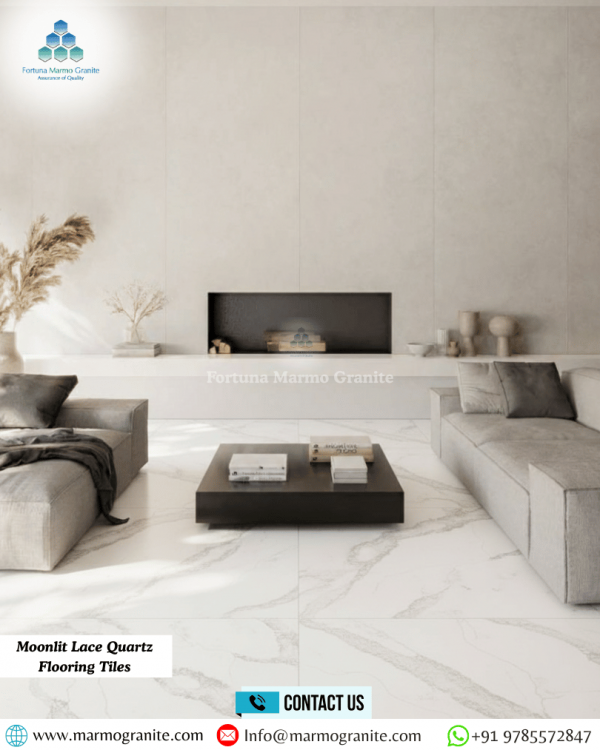
- Classic white Carrara marble with soft grey veining.
- Industrial raw concrete for a modern loft feel.
- Solid, matte black for a bold, masculine statement.
- Translucent slabs that can be backlit for a glowing effect.
Large Formats and Thin Profiles
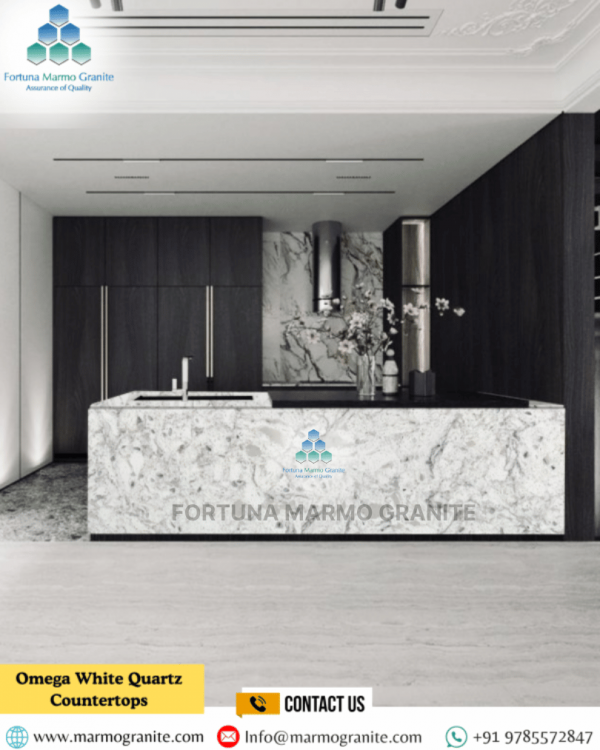
Modern architecture loves large, uninterrupted surfaces. Engineered quartz can be manufactured in "jumbo" slabs, allowing for massive kitchen islands or floor-to-ceiling wall cladding with very few visible seams. Additionally, new technology allows for ultra-thin quartz slabs that are lightweight enough to be used as cabinet fronts or elevator wall panels.
Sustainability: The Green Choice
In 2026, sustainability isn't an option; it's a requirement. Engineered quartz fits into the "Green Building" movement in several ways:
- Waste Reduction: Because it is manufactured to size, there is less waste compared to cutting irregular blocks of natural stone.
- Recycled Content: Many manufacturers use recycled glass, mirrors, and porcelain within the quartz mix, diverting waste from landfills.
- Longevity: The most sustainable product is the one you don't have to replace. Because quartz lasts a lifetime, it reduces the environmental cost of demolition and replacement.
- Indoor Air Quality: Most high-quality quartz brands are GREENGUARD certified, meaning they emit low levels of volatile organic compounds (VOCs), keeping the air in our homes and offices clean.
Applications Beyond the Kitchen Counter
- Bathroom Sanctuaries
With its moisture resistance, quartz is perfect for walk-in showers, vanity tops, and even bathtub surrounds. It creates a spa-like atmosphere that is incredibly easy to clean.
- Integrated Sinks
Modern design often favors "monolithic" looks where the sink and the countertop appear to be one single piece. Fabricators can use the same quartz material to build custom sinks that blend seamlessly into the counter.
- Commercial Flooring
In airports, malls, and office buildings, quartz tiles provide a high-end look that can handle thousands of footsteps every day without losing its shine or wearing down.
- Wall Cladding and Fireplaces
Quartz is increasingly used as a decorative wall element. A book-matched quartz wall (where the veins line up like a mirror image) behind a fireplace or in a lobby creates a stunning focal point that feels like a piece of permanent art.
Conclusion
In conclusion, engineered quartz stone stands out as a smart and future-ready surface choice for contemporary architecture, offering the perfect balance of elegance, durability, and low maintenance. Its consistent patterns, wide color range, and superior resistance to stains, scratches, and moisture make it ideal for modern kitchens, bathrooms, commercial spaces, and architectural interiors where performance and aesthetics go hand in hand.
Indian Granite Supplier, As design trends continue to favor clean lines, sustainable materials, and long-lasting finishes, quartz surfaces provide architects and designers with the flexibility to create refined, functional spaces that endure daily use. With a strong focus on quality sourcing, precision processing, and global supply standards, Fortuna Marmo Granite delivers premium engineered quartz stone solutions that meet the evolving demands of modern construction and interior design projects worldwide.