
Difference Between Granite Tiles And Granite Slabs
Granite slabs and granite tiles both originate from natural stone. Over time, the machines used to produce them have evolved significantly. Granite is a strong, beautiful material known for its durability and timeless appeal. It outperforms many other natural stones and adds a charming look to any space where it is applied.
Granite slabs are large pieces of stone cut directly to custom sizes for flooring, wall cladding, countertops, or backsplashes. Because they are tailored to specific requirements, they are more expensive than granite tiles.
On the other hand, granite tiles are sturdy and long-lasting. They are cut into uniform pieces that can create an elegant and luxurious appearance when installed with proper care. They cost less than slabs and come in pre-cut sizes and shapes, making them a budget-friendly option.
Granite Slabs
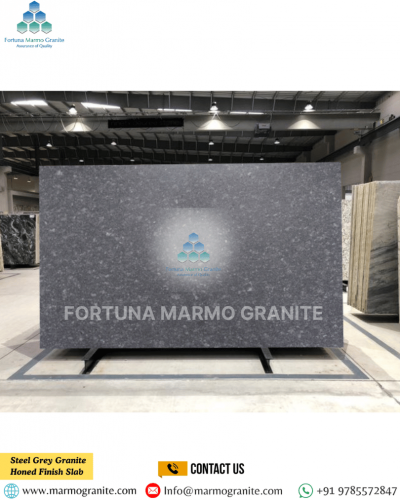
Granite slabs feature continuous patterns and designs, giving them a sophisticated appearance because they are usually cut in large sizes. In some markets, large slabs are preferred, while in others smaller slabs are more popular. The larger the slab, the more you will need to invest—big slabs are costly, whereas smaller slabs are more economical. You can purchase Indian granite slabs in various finishes, including Polished, Flamed, Leather, Lapatro, Brushed, Bush Hammered, and Sandblasted. Standard slabs also cost less than custom-sized pieces.
Although granite slabs are large and heavy, they are still delicate and require careful handling. They must be installed in a single setting by multiple workers. Since they are fitted as one piece, installation takes less time compared to tiles.
Granite slabs are dense and durable, but that doesn't make them completely resistant to scratches or stains. With proper care and resealing every one to two years, they can easily last for decades. These slabs are cut using different types of machines, and both the machine and the block size determine the final slab dimensions. In the granite industry, three primary slab types are available: gang saw slabs, big cutter slabs, and small cutter slabs.
Granite Tiles
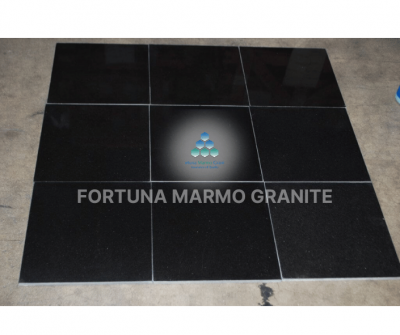
Granite tiles are lighter than slabs because they are cut into smaller pieces, which creates a uniform appearance. A single worker can install them, but placing each tile in proper alignment and maintaining a rhythmic flow takes time. Moreover, granite tiles often feature patterns and designs that must be matched carefully to achieve a cohesive look in any space.
Granite tiles are more economical than slabs, and even with labor costs included, they remain the cheaper option. They are also easier to transport, which naturally reduces shipping expenses.
The durability of granite tiles depends largely on the quality of installation. Poor workmanship or rushed application can create bubbles or air pockets beneath the tiles, making them unable to support heavy weight and eventually causing damage. If a tile gets damaged, replacing it is simple and inexpensive. Unlike slabs, a single tile can be swapped out at a very low cost.
Conclusion
Granite tiles and granite slabs each offer unique advantages, and the right choice ultimately depends on your project needs, budget, and desired aesthetic. Tiles provide an affordable and versatile option suitable for floors, small countertops, and wall applications, while slabs deliver a seamless, luxurious look ideal for expansive kitchen counters, islands, and premium interiors.
Understanding these differences helps you make a confident decision that enhances both style and durability in your space. At Fortuna Marmo Granite, we offer high-quality granite tiles and slabs in a wide range of colours and finishes to match every design vision with perfection.