
Indian Marble Flooring: Benefits, Designs & Maintenance Tips
Indian Marble Flooring Guide, When you think of luxury in an Indian home, the first thing that often comes to mind is a gleaming, polished marble floor. There is something undeniably "royal" about it. From the iconic Taj Mahal to modern apartments in Mumbai or Delhi, Indian marble has been the backbone of interior design for centuries.
Indian Marble Flooring Guide, If you are thinking about renovating your home or building a new one, choosing the right flooring is a massive decision. You want something that looks beautiful, lasts forever, and doesn't break the bank.
Indian Marble Flooring Tiles Supplier, , In this guide, we will explore why Indian marble is a world-class choice, the best designs to consider, and how to keep it shining like new.
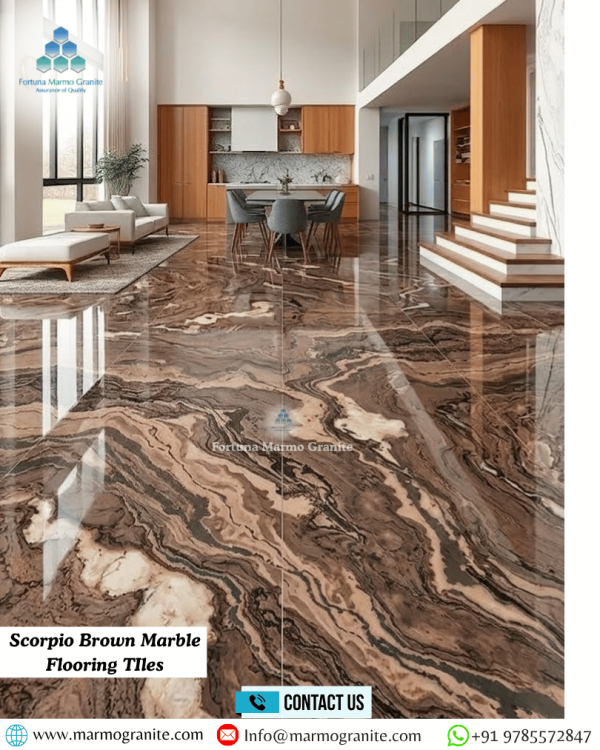
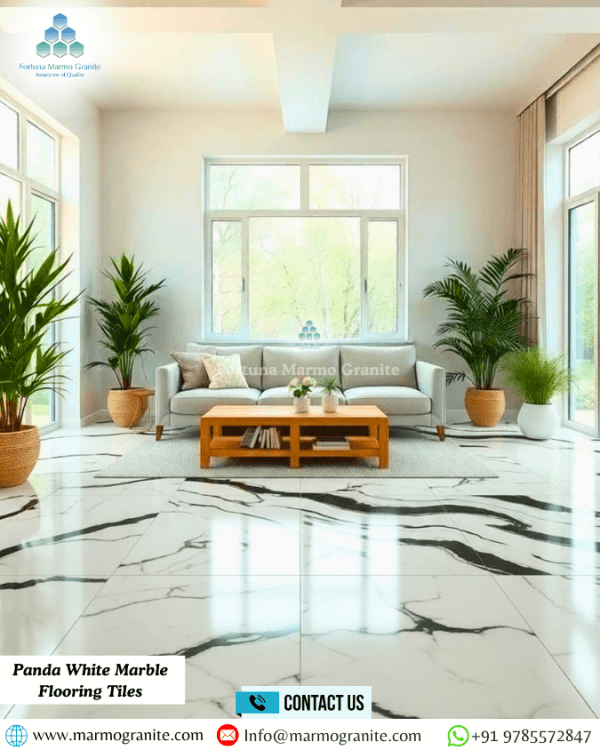
Why Choose Indian Marble? (The Benefits)
- Incredible Durability
Indian marble is significantly harder than many imported varieties. Because it is less porous, it can handle heavy foot traffic, making it perfect for living rooms, kitchens, and hallways. If you install it correctly, it can easily last for 20 to 30 years without losing its structural integrity.
- Natural Cooling Effect
We all know how scorching Indian summers can get. One of the best "hacks" for a cooler home is marble flooring. Stone has high thermal mass, meaning it stays cool to the touch even when the temperature outside is soaring. Walking barefoot on cool marble in June is a luxury you can't get with wooden or laminate flooring.
- Cost-Effectiveness
Because it is quarried locally (largely in Rajasthan), Indian marble is much more affordable than Italian or Turkish stones. You get a high-end look without the massive import duties and shipping costs.
- Eco-Friendly Choice
Marble is a natural stone. It doesn't involve the heavy chemical processing found in synthetic tiles or vinyl. If you are looking to build a sustainable home, using locally sourced stone reduces your carbon footprint significantly.
Popular Types of Indian Marble
Before picking a design, you need to know your "palette." India produces hundreds of varieties, but these are the fan favorites:
- Makrana Marble: The gold standard. This is the same stone used for the Taj Mahal. It is pure white and incredibly strong.
- Ambaji White: Sourced from Gujarat, it's known for its milky white appearance and subtle grey veins.
- Indian Green (Verde Guatemala): A bold, forest-green stone that looks stunning in bathrooms or as a border for white floors.
- Jaisalmer Yellow: A warm, golden-yellow stone that adds a traditional, rustic "haveli" feel to any room.
- Pink Marble: Often found in Katni or Udaipur, this adds a soft, vintage charm to bedrooms.
Stunning Design Ideas for Your Floor
- The Classic Seamless Look
For smaller apartments, use large slabs of white marble (like Makrana or Rajnagar) with minimal veins. Laying them close together with matching grout creates a "seamless" look that makes the room feel twice as large.
- Traditional Borders
You can create a "rug" effect by using a white base and adding a 4-inch border of dark marble, like Indian Black or Forest Green. This defines the space and adds a touch of classic Indian architecture to your living room.
- Checkerboard Patterns
If you love a retro or "Art Deco" vibe, mixing black and white marble squares is a timeless choice. It works exceptionally well in foyers, verandas, or kitchens.
- Diamond Cuts
Instead of laying slabs in a straight grid, turn them 45 degrees to create a diamond pattern. This adds visual interest and a sense of movement to long corridors.
- Inlay Work (Pietra Dura)
If you have a higher budget, you can opt for "Inlay" work. This involves carving small sections of the floor and "inlaying" semi-precious stones or contrasting marble to create floral or geometric patterns. It's usually done in the center of a room as a focal point.
Maintenance Tips: Keeping the Shine Alive
The "Never" List
- No Acidic Cleaners: Never use vinegar, lemon juice, or harsh bathroom cleaners (like Harpic) on marble. The acid "eats" into the calcium carbonate of the stone, leaving dull spots called "etch marks."
- No Bleach: It's too harsh and will yellow the stone over time.
The Daily Routine
- Dust Mop Regularly: Sand and grit act like sandpaper under your shoes. Sweeping or dust-mopping daily prevents tiny scratches.
- Use pH-Neutral Soap: Use a cleaner specifically made for marble, or just a few drops of mild dish soap in a bucket of warm water.
- Dry it Out: Don't leave puddles of water to air dry, as this can leave mineral spots. Always use a dry mop or cloth to finish the job.
Long-Term Care
- Seal It: Every 1–2 years, apply a marble sealer. This is a clear liquid that soaks into the pores and creates a shield against stains (like spilled tea or turmeric).
- Re-Polishing: One of the best things about Indian marble is that it can be "re-born." If your floor looks dull after 10 years, you don't need to replace it. A professional can "diamond polish" the surface, grinding away the top micro-layer to reveal a brand-new, mirror-like finish underneath.
Conclusion
In conclusion, Indian marble flooring stands out as a timeless choice that combines elegance, durability, and versatility for both residential and commercial spaces. With a wide range of colors, patterns, and finishes available, it offers endless design possibilities to suit every aesthetic preference. When properly maintained with regular cleaning and care, marble flooring can retain its natural beauty and last for decades, making it a valuable long-term investment.
Indian Marble Flooring Guide, Whether you are aiming for a luxurious interior or a classic look, Indian marble delivers unmatched appeal. For premium quality marble and expert craftsmanship, Fortuna Marmo Granite is your trusted partner, Indian Granite Flooring Tiles Supplier, offering a diverse selection of marble solutions tailored to meet global standards and customer expectations.