
Marble vs Granite: Which Natural Stone is Right for You?
Marble vs Granite, Choosing the right stone for your home feels a bit like picking a life partner. You're going to see it every morning when you make your coffee, and you're going to rely on it to handle the messes of your daily life. When it comes to natural stone, the two heavy hitters are almost always Marble and Granite.
Indian Marble Supplier, They both come from the earth, they both look expensive, and they both add serious value to your home. But underneath the surface, they are very different characters. One is a delicate beauty that requires a bit of "TLC," while the other is a rugged workhorse that can take a beating.
Let's break down the Marble vs. Granite debate in simple terms so you can decide which one deserves a spot in your home.
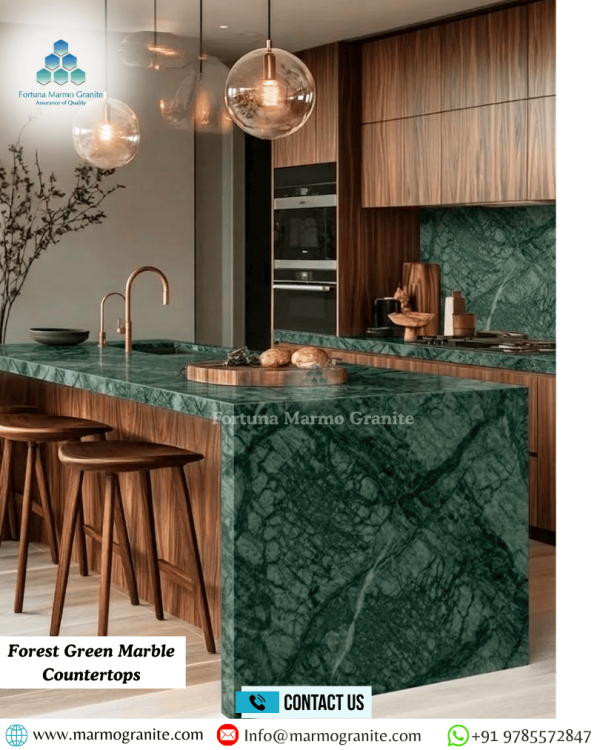
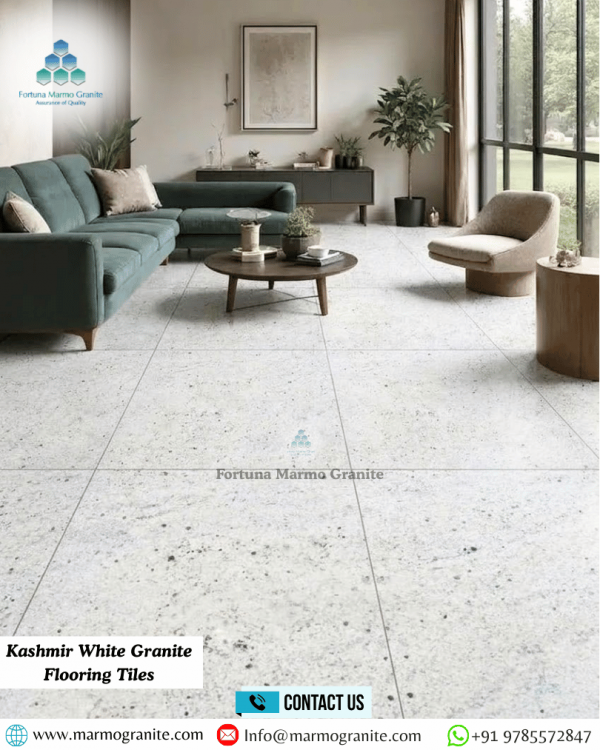
1. What Are They, Anyway?
Before we talk about colors or prices, it helps to know what these things actually are.
- Granite is an "igneous" rock. This means it was formed from cooling magma deep inside the earth. Because it was born in intense heat and pressure, it is incredibly hard and dense.
- Marble is a "metamorphic" rock. It started as limestone and then changed over millions of years due to heat and pressure. It's primarily made of calcium carbonate, which makes it much softer and more porous than granite.
The takeaway: Granite is like a mountain—tough and unyielding. Marble is like a sculpture—beautiful but sensitive.
2. The Look: Elegance vs. Variety
The Case for Marble
Marble is the gold standard for luxury. Think of the Taj Mahal or ancient Greek statues. It usually features a "veined" look—long, flowing lines of color that dance across a solid background (usually white or grey).
- The Vibe: Sophisticated, timeless, and bright.
- Best For: Bathrooms, fireplace surrounds, and "showpiece" islands.
The Case for Granite
Granite has a more "speckled" or "grainy" appearance. Because it's made of a mix of different crystals (like quartz and feldspar), you'll see little flecks of different colors throughout the slab.
- The Vibe: Natural, earthy, and unique.
- Best For: High-traffic kitchens and outdoor BBQ areas.
3. Durability: The "Ouch" Factor
This is where the two stones really go their separate ways. If you have kids who spill grape juice or a partner who forgets to use a cutting board, listen closely.
Scratching and Chipping
- Granite: It is very hard to scratch granite. You can almost use it as a cutting board (though it will dull your knives!). It rarely chips unless you drop a heavy cast-iron skillet right on the edge.
- Marble: It is soft. A metal belt buckle or a heavy pot can leave a "bruise" or a scratch on the surface.
Heat Resistance
Both stones are excellent with heat. You can generally set a hot pan down on either without them melting or scorching. However, using a trivet is always a good idea just to be safe.
- The "Etching" Nightmare
This is the one thing most people don't realize about marble until it's too late. Because marble is made of calcium, it reacts chemically with acid.
If you spill lemon juice, vinegar, or tomato sauce on marble, it doesn't just "stain"—it etches. Etching is a chemical reaction that eats away at the top layer of the stone, leaving a dull, matte spot that looks like a water ring. You can't "scrub" an etch out because the stone itself has changed.
Granite, on the other hand, is almost entirely acid-resistant. Lemons and vinegar won't bother it one bit.
- Maintenance: How Much Work Do You Want?
Both stones are porous, meaning they have tiny holes that can soak up liquids. To prevent stains, both need to be sealed.
- Sealing Granite: Usually needs to be sealed once every 1–2 years. It's a simple "wipe on, wipe off" process that takes 20 minutes. Once sealed, granite is very low-maintenance.
- Sealing Marble: Needs to be sealed more frequently—sometimes every 3 to 6 months if it's a high-use area. Even with a sealer, marble is still prone to etching (sealers prevent stains, not chemical reactions to acid).
6. Comparison Table at a Glance
Conclusion
Choosing between marble and granite ultimately depends on your design preferences, usage needs, and maintenance expectations. Marble offers timeless elegance with its soft veining and luxurious appeal, making it ideal for low-traffic areas and decorative applications. On the other hand, granite stands out for its exceptional durability, resistance to scratches, and low maintenance, making it a practical choice for high-traffic spaces like kitchens and flooring.
Indian Granite Supplier, Marble vs Granite, Both natural stones bring unique beauty and value to any project, so the right selection comes down to balancing aesthetics with functionality. With extensive industry expertise, Fortuna Marmo Granite ensures premium-quality marble and granite products tailored to meet diverse architectural and design requirements worldwide.