
Quartz Slabs for Countertops and Backsplashes: Style Meets Durability
Quartz Slabs for Countertops, When you decide to renovate your kitchen or bathroom, you are faced with a dizzying array of choices. Should you go with the classic look of marble? The rugged feel of concrete? Or the traditional vibe of granite?
For many modern homeowners, the search ends with Quartz.
Quartz slabs have become the "gold standard" for countertops and backsplashes. It's not just because they look beautiful—it's because they actually survive the chaos of a real, working kitchen. Let's dive into why quartz is the ultimate marriage of high-end style and "life-proof" durability.
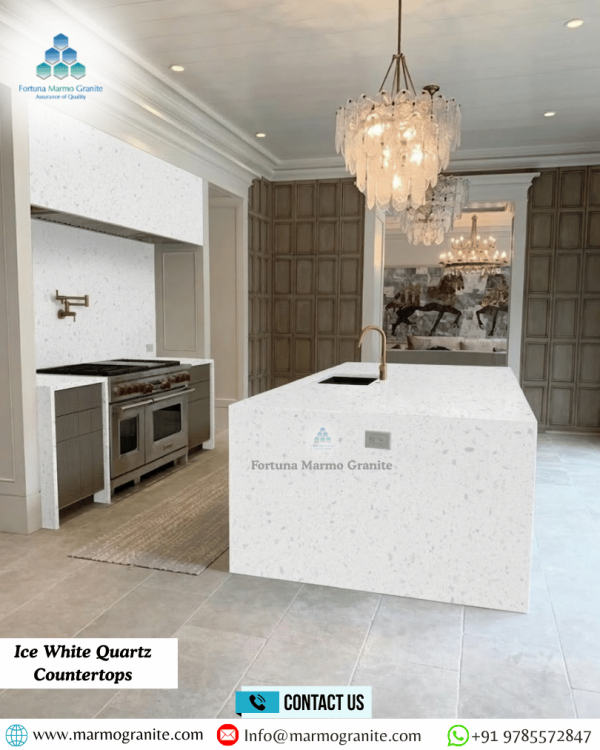
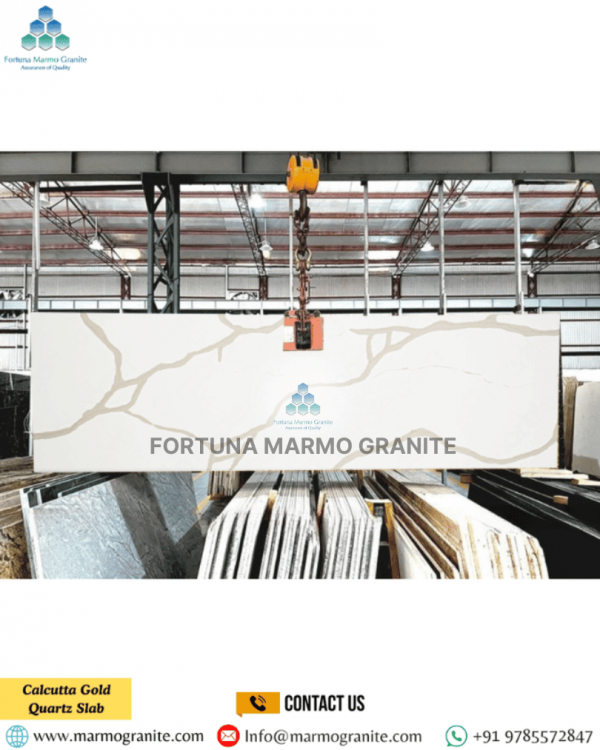
What Exactly is a Quartz Slab?
Before we talk about looks, let's clear up a common myth: Quartz is not a 100% natural stone like marble or granite. Instead, it is an engineered stone.
Quartz slabs are made by taking roughly 90-95% crushed natural quartz minerals and mixing them with high-quality resins and pigments. Think of it like a recipe: the quartz provides the strength, the resin acts as the glue to make it non-porous, and the pigments provide the stunning colors and patterns.
This "human-made" element is actually quartz's secret weapon. It allows manufacturers to create slabs that are stronger and more flexible than natural stone.
Why Quartz is the King of Durability
- It's Non-Porous
Natural stones have tiny microscopic holes (pores). These pores act like little straws, sucking up liquids and bacteria. Quartz is non-porous. This means:
- Stain Resistance: Coffee, wine, and oils sit on the surface rather than soaking in.
- Hygiene: Because moisture can't get inside, mold and bacteria have nowhere to grow. This makes quartz a very "food-safe" surface.
- Scratch and Impact Resistance
Quartz is one of the hardest minerals on Earth. While you should still use a cutting board (to protect your knives!), quartz is incredibly difficult to scratch. It can handle the daily clinking of pots and pans without showing wear and tear.
- Low Maintenance (No Sealing Required!)
This is the big one. Granite and marble need to be "sealed" every year or two to keep them protected. Quartz never needs sealing. You install it, you wipe it down with a damp cloth, and you're done for the next twenty years.
The Style Factor: Mimicking Nature and Beyond
The Marble Look-Alike
If you love the look of Calacatta or Carrara marble—with those thick, dramatic grey veins—you can get that exact look in quartz. You get the luxury aesthetic without the fear of ruining the surface the first time you cook a pasta sauce.
Modern Minimalism
For those who love a clean, modern look, quartz offers solid colors that natural stone can't provide. You can get a perfectly crisp, solid white, a sleek matte black, or even a concrete-grey finish that fits a "loft" or "industrial" style.
Texture Choices
Style isn't just about color; it's about feel. Most people choose a polished finish (high shine), but quartz also comes in honed (matte) and leathered (textured) finishes. This allows you to customize the "vibe" of your room—from glamorous to rustic.
The Backsplash Revolution: Using Quartz Vertically
For a long time, backsplashes were always made of tile and grout. But lately, a new trend has taken over: the Full-Height Quartz Backsplash.
Instead of stopping the quartz at the countertop, designers are extending the slab all the way up the wall to the cabinets or the ceiling. Here is why this is a game-changer:
- No Grout Lines: Anyone who has cleaned a kitchen knows that grout is a magnet for grease and grime. A quartz backsplash is one smooth sheet. One wipe and it's clean.
- Visual Continuity: Using the same slab for the counter and the wall makes the kitchen feel much larger and more "high-end." It creates a seamless flow that is very pleasing to the eye.
- The "Wow" Factor: A large slab of veined quartz behind a stove acts like a piece of art. It becomes the focal point of the entire room.
Practical Tips for Buying Quartz
Is Quartz Environmentally Friendly?
Many people ask about the "green" factor. While the resins are synthetic, quartz is often considered more eco-friendly than some natural stones because:
- Lower Waste: Since it's engineered, slabs are uniform. There are fewer "bad pieces" thrown away compared to quarried stone.
- Longevity: Because it lasts so long and never needs replacing, it reduces the "throw-away" cycle of home renovations.
- Local Sourcing: Many quartz manufacturers use recycled materials and glass in their slabs.
Conclusion
Quartz slabs are an excellent choice for modern countertops and backsplashes, offering the perfect combination of style, durability, and easy maintenance. Their non-porous surface, resistance to stains and scratches, and wide range of colors and patterns make them ideal for both residential and commercial spaces. Whether used in kitchens, bathrooms, or interior wall applications, quartz slabs provide long-lasting beauty and functionality.
Indian Granite Supplier, Choosing high-quality quartz ensures that your surfaces remain elegant and durable for years to come. Fortuna Marmo Granite is a trusted supplier of premium quartz slabs, offering superior quality materials and expert craftsmanship to meet the needs of architects, designers, and homeowners worldwide.