
Quartz Sink vs Stainless Steel Sink: Which Is Better for Your Kitchen?
Quartz Sink vs Stainless Steel Sink, Choosing the right kitchen sink is a bigger deal than most people realize. Think about it: it's the workhorse of your home. You use it to wash veggies, scrub heavy cast-iron pans, thaw out dinner, and occasionally—let's be honest—dump half-finished cups of coffee.
If you're remodeling or building a new kitchen, you've likely narrowed your choices down to the two heavyweights: Quartz (Composite) Sinks and Stainless Steel Sinks.
Indian Granite Supplier, One looks like a sleek, modern piece of stone; the other is the timeless, industrial classic. But which one actually makes your life easier? Let's break down the pros, cons, and "real-life" factors of each.
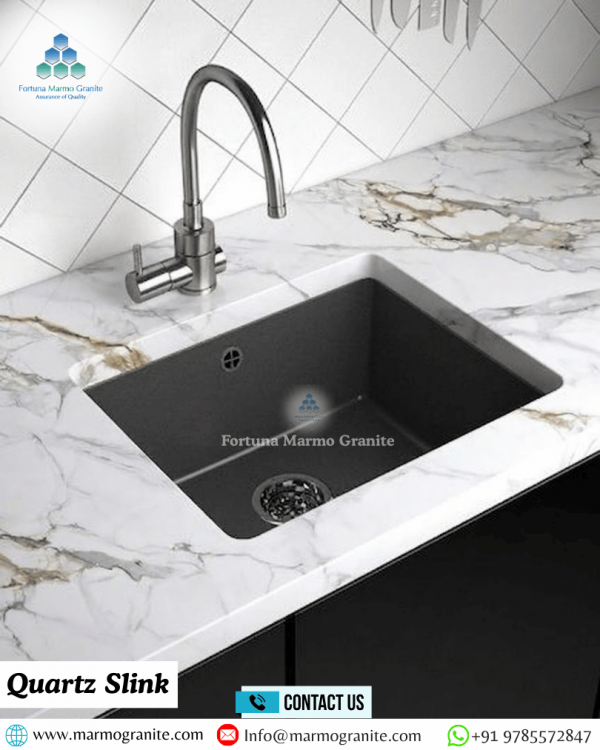
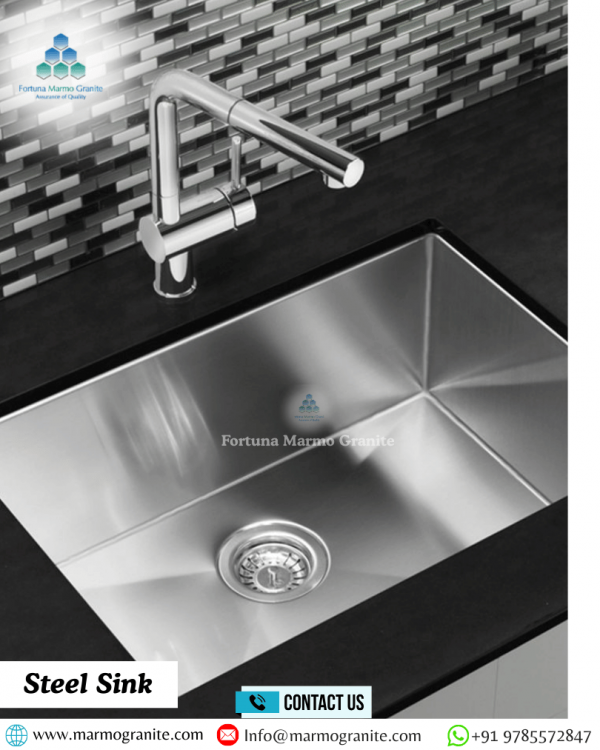
1. What Exactly Are They?
Before we compare them, let's define what we're actually putting in your countertop.
- Stainless Steel: These are made from a mix of steel, chrome, and nickel. They are thin, light, and have been the "standard" in kitchens for decades.
- Quartz (Composite): These aren't carved out of a single block of stone. Instead, they are engineered. Manufacturers take about 80% crushed quartz stone and mix it with 20% acrylic resin. The result is a sink that feels like rock but is much more durable.
2. Aesthetics: The "Look" of Your Kitchen
Quartz Sinks: The Style Icon
If you want your sink to be a design feature, quartz is the winner. Because they are engineered, they come in a variety of colors—matte black, concrete gray, creamy white, and even chocolate brown.
- The Vibe: High-end, moody, and seamless.
- The Bonus: You can often match the sink color to your countertops for a "disappearing" look.
Stainless Steel: The Timeless Professional
Stainless steel is the "white t-shirt" of kitchens. It goes with everything. Whether your kitchen is ultra-modern or a cozy farmhouse, a shiny steel sink never looks out of place.
- The Vibe: Clean, industrial, and bright.
- The Downside: It's a bit "standard." It doesn't usually "wow" guests, but it never goes out of style either.
3. Durability: Can It Handle the Heat (and the Pots)?
Heat Resistance
- Stainless Steel: It's virtually invincible to heat. You can take a boiling pot of pasta water and dump it straight in without a second thought.
- Quartz: While quartz is very heat resistant, it's not heat-proof. Most high-quality quartz sinks can handle temperatures up to 500°F ($260°C$). However, if you take a searing hot pan off the stove and leave it sitting on the bottom of a quartz sink, there is a tiny risk of the resin cracking or discoloring.
Scratches and Dents
- Stainless Steel: It won't crack or chip, but it will scratch. Within a few months, a new stainless steel sink will develop a "patina" of fine scratches from silverware and pots. Also, if you drop a heavy heavy pot, it might dent.
- Quartz: It is incredibly hard. It's very difficult to scratch or dent a quartz sink. You could drop a heavy mug in there, and the mug would likely break before the sink does.
4. The Noise Factor
Have you ever been startled by the "clatter" of a spoon hitting a metal sink?
- Stainless Steel: These can be noisy. Even with "sound-dampening pads" on the bottom, they tend to ring and echo. If you have an open-concept living room, the sound of the faucet hitting the metal can be surprisingly loud.
- Quartz: Because it is thick and dense stone, it is naturally quiet. It absorbs sound rather than echoing it. It makes for a much more peaceful dish-washing experience.
5. Cleaning and Maintenance: The "Real Life" Test
The Problem with Hard Water
If you live in an area with hard water, Stainless Steel is your enemy. Water spots and limescale show up clearly on the shiny surface. You'll find yourself wiping it down with a dry cloth constantly to keep it looking "pretty."
The Problem with Staining
Quartz Sinks (especially the lighter colors) can sometimes stain if you leave red wine, coffee, or beet juice sitting in them overnight. Because the surface is slightly textured, it can "grip" onto pigments. However, a quick scrub with a magic eraser or baking soda usually fixes this.
Hygiene
Both are non-porous and hygienic. However, stainless steel is famously easy to sanitize, which is why it's used in almost every professional restaurant kitchen in the world.
6. Price Comparison
- Stainless Steel: Generally the more affordable option. You can get a decent one for $150–$300. Of course, high-end "16-gauge" (thicker) steel sinks can cost more, but they are still usually cheaper than stone.
- Quartz: These are an investment. Expect to pay anywhere from $300 to $800 depending on the brand and size. You also have to factor in that they are much heavier, which might require a bit more labor during installation.
7. Quick Comparison Table
8. The Verdict: Which One Should You Choose?
Choose Stainless Steel if:
- You are on a budget.
- You want a sink that will literally last 50 years without cracking.
- You do a lot of heavy-duty cooking and don't want to worry about melting the sink with hot pans.
- You like the "professional chef" look.
Choose Quartz Composite if:
- You hate the sound of clattering dishes.
- You want a specific color (like a black sink to match your black faucet).
- You want a sink that looks expensive and modern.
- You want something that won't show every single fingerprint and water droplet.
Conclusion
Choosing between a quartz sink and a stainless steel sink depends on your kitchen style, durability needs, and maintenance preferences. Quartz sinks offer a modern, elegant appearance with excellent resistance to scratches, stains, and heat, making them ideal for contemporary kitchens. Stainless steel sinks, on the other hand, are valued for their lightweight design, affordability, and long-lasting performance in busy kitchens. Both options provide practical benefits, but selecting the right one ultimately depends on the overall design and functionality you want for your space. Fortuna Marmo Granite offers high-quality natural stone and quartz products designed to enhance modern kitchens with durability, style, and superior craftsmanship for residential and commercial projects worldwide.