
International Shipping for Memorial Monuments: Safe, Secure & Worldwide Delivery Solutions
International Shipping for Memorial Monuments, When a loved one passes away, a memorial monument serves as a lasting tribute to their life. Often, families wish to place these monuments in their home country or a specific location that holds sentimental value. However, moving a heavy, fragile stone structure across the globe is no small feat.
International shipping for memorial monuments requires a delicate balance of heavy-duty logistics and emotional sensitivity. Whether you are shipping a granite headstone, a marble statue, or a large bronze memorial, here is everything you need to know about safe, secure, and worldwide delivery.
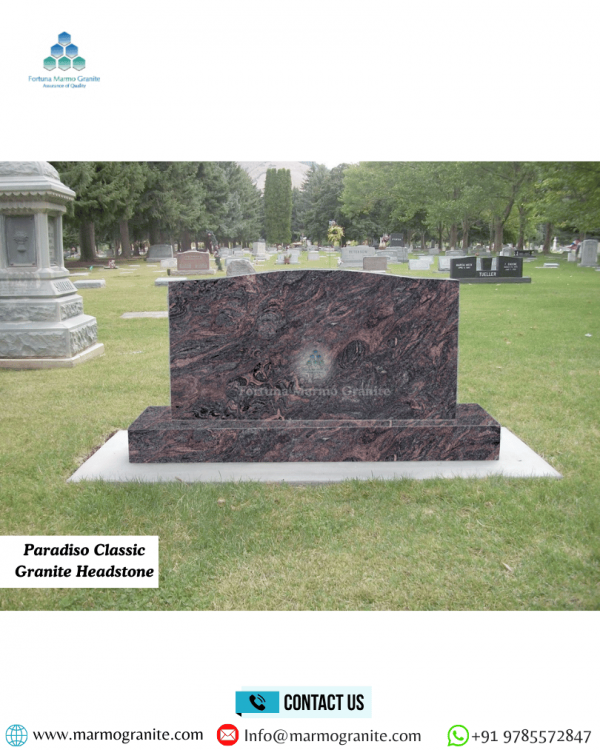
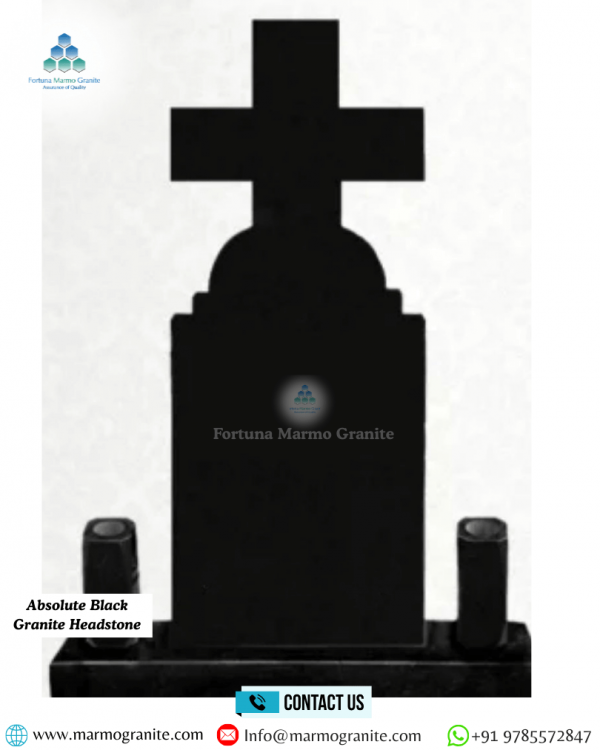
1. The Challenge of Shipping Memorials
Unlike standard cargo, memorial monuments present unique challenges. They are:
- Extremely Heavy: Natural stones like granite and marble can weigh hundreds or even thousands of pounds.
- Fragile: Despite their strength, stone can chip, crack, or snap if handled roughly or subjected to sudden vibrations.
- Irreplaceable: These aren't just products; they are emotional milestones. A delay or damage isn't just a financial loss—it's a heartbreak.
Understanding these factors is the first step in choosing a shipping solution that prioritizes safety over speed.
2. Professional Packaging: The Foundation of Safety
Custom Wood Crating
Most professional shippers use custom-built wooden crates. These are designed to fit the specific dimensions of the monument. The wood used must be "fumigated" (heat-treated) to meet international ISPM 15 standards, which prevents the spread of pests across borders.
Internal Cushioning
Inside the crate, the monument is wrapped in several layers:
- Polystyene Foam & Bubble Wrap: To absorb shocks from bumps during transit.
- Edge Protectors: Hard plastic or foam guards are placed on the corners, which are the most vulnerable parts of the stone.
- Bracing: The monument is "blocked and braced" using timber to ensure it cannot move even an inch inside the crate.
3. Choosing the Right Transport Method
Sea Freight (The Most Common Choice)
Since monuments are heavy, sea freight is usually the most cost-effective option. The crate is loaded into a shipping container.
- Pros: Much more affordable for heavy items; very safe when packed correctly.
- Cons: Slower delivery times (usually 4 to 8 weeks depending on the destination).
Air Freight (For Urgent Needs)
If a memorial service is scheduled soon, air freight is an option.
- Pros: Very fast (usually 5 to 10 days).
- Cons: Extremely expensive due to the high weight of the stone.
4. Navigating Customs and Documentation
Shipping across borders involves a lot of "red tape." Each country has its own rules for importing stone products. A reliable shipping partner will help you manage the following:
- HS Codes: International customs use "Harmonized System" codes to classify goods. Most monuments fall under HS Code 6802.
- Commercial Invoice & Packing List: These documents describe exactly what is being shipped and its value.
- Certificate of Origin: Some countries require proof of where the stone was quarried and carved.
Taxes and Duties: Be prepared for import duties. Some countries offer exemptions for funeral or memorial items, but this varies by region.
5. Security and Tracking: Peace of Mind
In the modern world, "secure" shipping means more than just a strong box; it means visibility. When shipping a memorial, look for providers that offer:
- Real-Time Tracking: You should be able to see where your shipment is at every stage, from the carving shop to the cemetery.
- Specialized Handling: Ensure the company uses "white-glove" logistics partners who have experience with heavy, high-value items.
- Insurance Coverage: Never ship a monument without Full Value Insurance. This protects you against the cost of the stone and the shipping fees if an accident happens.
6. Delivery to the Final Destination
The journey doesn't end at the port. "Worldwide delivery" should ideally be Door-to-Door or Door-to-Cemetery.
Many cemeteries have strict rules about who can deliver a stone and how it must be unloaded. It often requires a truck with a "lift-gate" or a small crane (hiab) to safely lower the crate. Coordination between the shipping company and the local monument installer is the final, crucial link in the chain.
Summary Checklist for Families
If you are planning to ship a memorial monument soon, keep this simple checklist in mind:
- Verify the Stone: Ensure the material is durable enough for the destination's climate.
- Ask About Crating: Confirm the use of ISPM 15 heat-treated wood.
- Check the Timeline: Plan at least 3 months in advance for sea shipping.
- Get an All-In Quote: Make sure the price includes insurance and customs handling.
- Coordinate with the Cemetery: Ensure they are ready to receive a heavy crate.
Conclusion
In conclusion, international shipping for granite memorial monuments requires careful planning, secure packaging, and reliable logistics to ensure that each piece arrives safely and in perfect condition. From custom crating and protective wrapping to proper documentation and coordinated global freight services, every step plays a vital role in delivering memorials with dignity and care. Choosing an experienced manufacturer and exporter guarantees smooth handling, timely dispatch, and secure worldwide delivery. Fortuna Marmo Granite ensures safe, secure, and efficient international shipping solutions for memorial monuments, providing clients across the globe with dependable service and uncompromised quality from production to final destination