
Natural Quartzite Stone Guide: Benefits, Finishes, and Design Ideas
Natural Quartzite Stone Guide, If you are planning a kitchen remodel or upgrading your bathroom, you've likely heard the word Quartzite thrown around. It's the "it" stone of the design world right now, often confused with its cousin Marble or its man-made rival, Quartz.
But here is the secret: Quartzite is in a league of its own. It offers the high-end, elegant look of marble but brings the "don't-worry-about-it" durability of granite.
In this guide, we're going to break down everything you need to know about this stunning natural stone—why it's special, how to choose the right finish, and how to use it to make your home look like a million bucks.
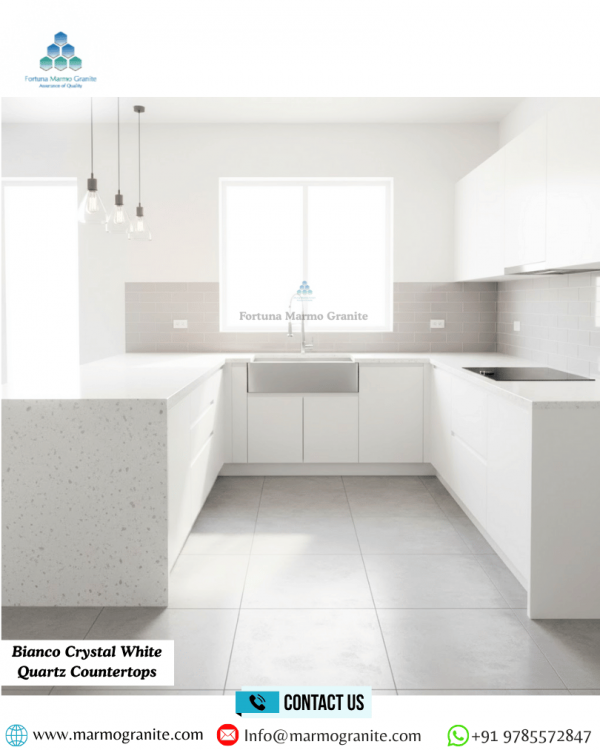
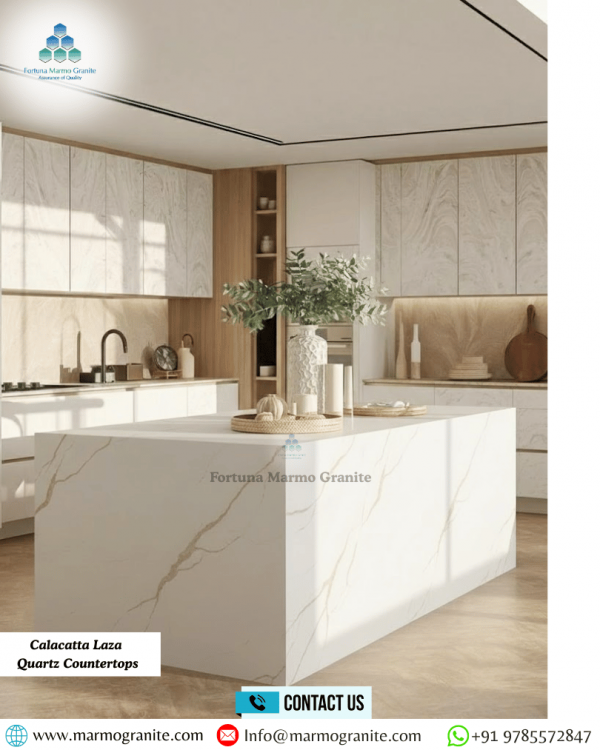
What Exactly is Natural Quartzite?
Before we dive into the pretty stuff, let's clear up the science (the easy way).
Quartzite is a natural metamorphic rock. It starts its life as sandstone. Over millions of years, that sandstone is subjected to intense heat and pressure deep inside the earth. This process causes the sand grains to recrystallize and fuse together into a hard, glassy stone.
Is it the same as Quartz? Nope! This is the most common mistake people make.
- Quartz: Is man-made (engineered) using stone chips, resin, and pigments.
- Quartzite: Is 100% natural, quarried straight from the earth in slabs.
Think of it this way: Quartz is like a high-quality print, while Quartzite is an original oil painting.
The Big Benefits: Why Choose Quartzite?
- Incredible Hardness
On the Mohs scale of mineral hardness, Quartzite usually sits at about a 7 out of 10. For context, Marble is around a 3, and Granite is between 6 and 7. This means Quartzite is extremely resistant to scratches and chips. You can't easily "bruise" this stone.
- Heat Resistance
Unlike man-made Quartz, which contains plastic resins that can melt or discolor under a hot pan, Quartzite is born in fire. It can handle heat much better than engineered surfaces, making it a dream for busy kitchens.
- The "Marble Look" Without the Heartache
Everyone loves the white and grey veining of Carrara or Calacatta marble, but marble is soft and "etches" (gets dull spots) when it touches lemon juice or wine. Many Quartzite varieties, like Taj Mahal or White Macaubas, offer those same soft colors but won't melt away when you spill your margarita.
- Low Maintenance
While it does need to be sealed (since it's a natural stone), Quartzite is generally very easy to clean. A little soap and water are usually all you need to keep it shining.
Exploring the Finishes: Setting the Mood
Polished Finish
This is the classic, shiny look. A polished finish brings out the deep colors and intricate veining of the stone.
- Best for: Making a statement on a kitchen island.
- Vibe: Sophisticated, clean, and luxurious.
Honed (Matte) Finish
A honed finish is smooth to the touch but has no shine. It's flat and velvety.
- Best for: Modern or "Organic Modern" homes.
- Vibe: Understated, soft, and natural.
- Pro Tip: This finish is great at hiding fingerprints and water spots!
Leathered Finish
This is a newer trend where the stone is brushed with diamond-tipped bristles. It results in a textured, dimpled surface that feels like leather.
- Best for: High-traffic areas and outdoor kitchens.
- Vibe: Rugged, tactile, and unique. It hides scratches and stains better than any other finish.
Design Ideas: Where to Use Quartzite
- The "Waterfall" Kitchen Island
If you find a slab of Quartzite with dramatic veining, don't just put it on top of your cabinets. Let it "fall" over the edge all the way to the floor. This creates a seamless look that showcases the natural art of the stone.
- Book-Matched Feature Walls
Because Quartzite is natural, no two slabs are the same. "Book-matching" is when two slabs are cut from the same block and polished on opposite sides, so they mirror each other like an open book. This looks incredible as a fireplace surround or a feature wall in a primary bathroom.
- Cohesive Backsplashes
Instead of using tile, run your Quartzite countertop straight up the wall to the bottom of your cabinets. This "full-height backsplash" is not only stunning but also incredibly easy to clean (no grout lines!).
- Outdoor Entertaining
Since Quartzite is UV resistant (it won't fade in the sun) and handles temperature changes well, it's the perfect choice for an upscale outdoor BBQ area or patio bar.
Caring for Your Quartzite
To keep your stone looking brand new for decades, follow these simple rules:
- Seal It: Most Quartzites should be sealed once a year. It's a simple "wipe on, wipe off" process that takes 15 minutes but prevents oils from soaking into the stone.
- Avoid Harsh Chemicals: Skip the bleach and window cleaners. Use a pH-neutral stone cleaner or just mild dish soap.
- Use Coasters: Even though it's tough, Quartzite can still be porous. Using coasters for wine or coffee is a good habit to prevent "ghost" rings.
Conclusion
In conclusion, natural quartzite stone stands out as a premium choice for homeowners, architects, and designers seeking the perfect balance of strength, elegance, and versatility. Its exceptional durability, resistance to heat and scratches, wide range of finishes, and stunning natural patterns make it ideal for countertops, flooring, wall cladding, and both indoor and outdoor applications.
Indian Granite Supplier, Natural Quartzite Stone Guide, Whether you prefer a polished, honed, or textured look, quartzite effortlessly enhances any design style while offering long-term performance with minimal maintenance. For high-quality materials, precise finishes, and reliable global supply, Fortuna Marmo Granite delivers expertly processed quartzite slabs and tiles that meet the highest standards, making them a trusted partner for bringing timeless stone designs to life.