
Quartz Countertops vs Natural Stone: Which One Is Right for You?
Quartz Countertops vs Natural Stone, Choosing the right countertop is easily the most stressful part of a kitchen or bathroom remodel. It's the surface where you'll prep your morning coffee, spill red wine, and likely do your kids' homework. It's a huge investment, and you want it to look just as good in ten years as it does on installation day.
The debate usually boils down to two heavyweights: Quartz and Natural Stone (like Granite, Marble, or Quartzite). While they might look similar from a distance, they are worlds apart in how they're made and how they handle daily life.
Here is everything you need to know to decide which one deserves a spot in your home.
1. Understanding the Basics: What Are They?
Natural Stone
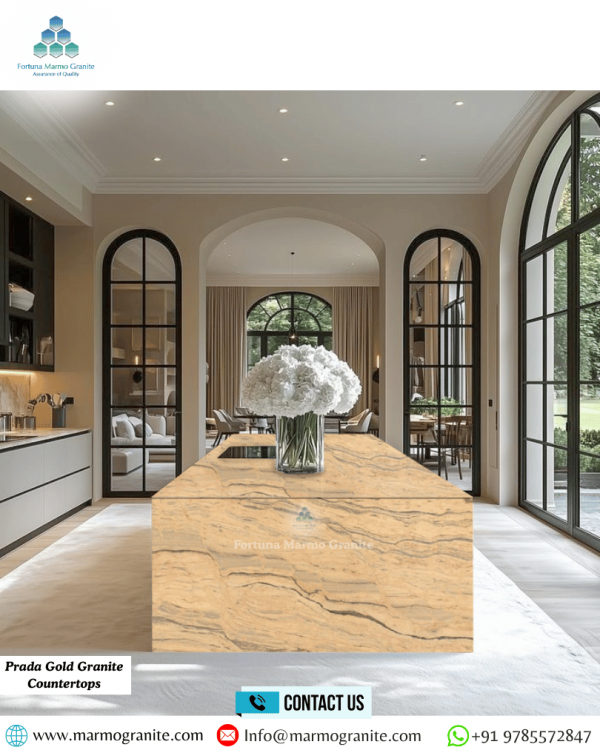
Natural stone is exactly what it sounds like: a slice of the earth. These slabs are quarried from mountains in places like Brazil, Italy, and India. They are cut into blocks, sliced into slabs, and polished. No two pieces are identical. When you buy granite or marble, you are buying a piece of geological history that took millions of years to form.
Quartz (Engineered Stone)
Quartz is a bit of a misnomer. While it contains natural quartz minerals, it is a man-made product. Manufacturers take roughly 90–95% crushed quartz and mix it with 5–10% polyester resins and pigments. Think of it like a high-tech "stone cake" that is baked into a slab. This process allows for total control over color and pattern.
2. Appearance: Unique Beauty vs. Perfect Consistency
The Case for Natural Stone
If you want a "wow" factor that can't be replicated, natural stone wins.
- Granite offers speckled, earthy patterns.
- Marble provides those iconic, elegant veins.
- Quartzite often looks like marble but has the toughness of granite.
The beauty of natural stone lies in its imperfections. You might find a random splash of gold or a unique fossil-like swirl that exists nowhere else on the planet.
The Case for Quartz
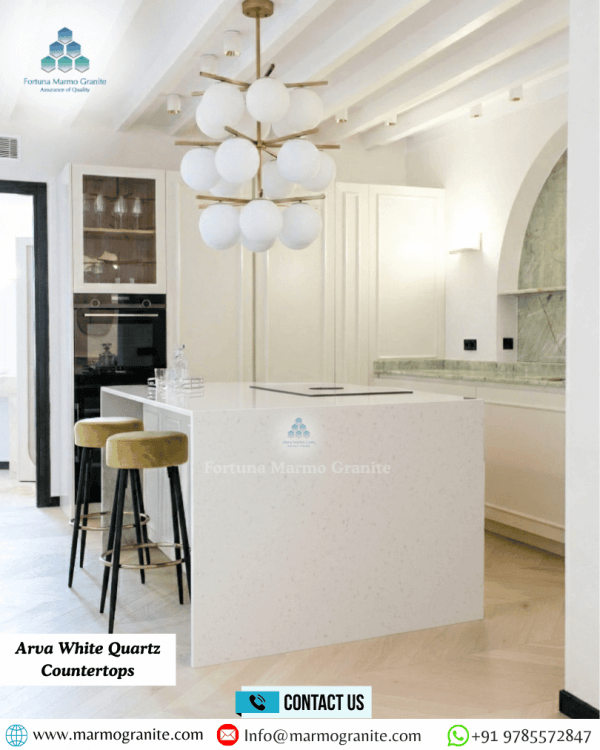
Quartz is the king of consistency. Because it's manufactured, the slab you see in the showroom is exactly what will show up at your house.
- Modern Aesthetics: It can mimic the look of marble without the maintenance.
- Uniformity: If you have a massive kitchen and need three slabs, quartz ensures the seams will match up perfectly.
- Variety: You can get quartz in solid bright white, concrete gray, or even navy blue—colors that nature doesn't usually provide in stone.
3. Durability: Which One Is Tougher?
4. Maintenance: The "Set It and Forget It" Factor
Natural Stone Maintenance
Natural stone is porous. Imagine it like a very hard sponge with microscopic pores. If you spill red wine on unsealed marble, it will soak in and leave a permanent stain.
- Sealing: Most natural stones need to be "sealed" with a liquid barrier once or twice a year. It's an easy DIY task (wipe on, wipe off), but if you forget, your counters are vulnerable.
- Acid Sensitivity: Stones like marble are sensitive to "etching." Lemon juice or vinegar can actually eat away the polish, leaving a dull spot.
Quartz Maintenance
Quartz is non-porous. The resin seals all the gaps.
- No Sealing: You never, ever have to seal quartz.
- Easy Cleaning: Soap and water are all you need. It won't soak up bacteria or odors, making it a very hygienic choice for families with small children.
5. The Cost Comparison
There is a common myth that quartz is the "budget" option. In reality, the prices are very competitive.
- Natural Stone: The price varies wildly. Common granite can be very affordable (starting around $40 per square foot), while rare, exotic marbles or quartzites can climb to $200+ per square foot.
- Quartz: Generally sits in a mid-to-high range. You'll rarely find "dirt cheap" quartz because the manufacturing process is expensive. Expect to pay between $70 and $150 per square foot installed.
Pro Tip: Always get a "fully installed" quote. The cost of the slab is only half the battle; the cutting, edging, and labor are where the real numbers live.
6. Environmental Impact
If you're trying to build a "green" home, both have pros and cons.
- Natural Stone requires a lot of energy to mine and transport across the globe. However, it is a 100% natural material with no chemicals or VOCs (volatile organic compounds).
- Quartz often uses recycled materials (like crushed glass and stone waste). However, the resins used to bind it are petroleum-based. On the plus side, because many quartz brands are manufactured regionally, the shipping footprint might be smaller.
7. Which One Is Right for You? (The Verdict)
Choose Natural Stone if…
- You appreciate the "art" of nature and want a one-of-a-kind kitchen.
- You are a heavy cook who wants to put hot pans directly on the counter.
- You don't mind spending 15 minutes once a year to seal your surfaces.
- You accept that a little "patina" (wear and tear) adds character to a home.
Choose Quartz if…
- You want a clean, modern, and perfectly consistent look.
- You want zero-maintenance—no sealing, no worrying about lemon juice.
- You have a busy household where spills might sit for a while before being cleaned.
- You want a specific color that isn't found in nature (like pure, stark white).
Conclusion
In conclusion, choosing between quartz countertops and natural stone ultimately depends on your lifestyle, design preferences, and maintenance expectations. Quartz offers consistency, low maintenance, and modern appeal, while natural stone provides unique patterns, timeless beauty, and unmatched character formed by nature.