
Everything You Need to Know Before Installing Quartz Countertops
Everything You Need to Know Before Installing Quartz, So, you've decided it's time to level up your kitchen or bathroom. You've looked at the options, and Quartz keeps popping up. It's sleek, it's durable, and it's currently the "cool kid" of the renovation world.
Indian Granite Supplier, But before you drop a significant chunk of change on those beautiful slabs, there is a lot to consider. Choosing a countertop isn't just about picking a color you like; it's about understanding how that material will fit into your daily life. From the way it's made to how it handles a hot pan, here is everything you need to know before making the leap.
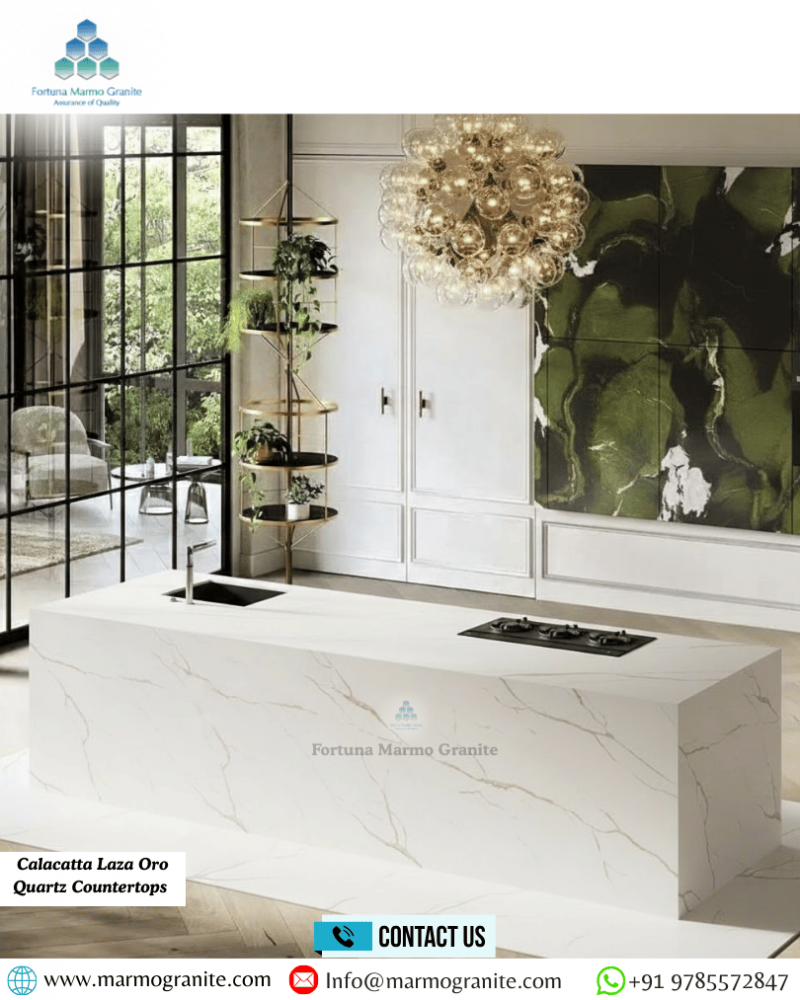
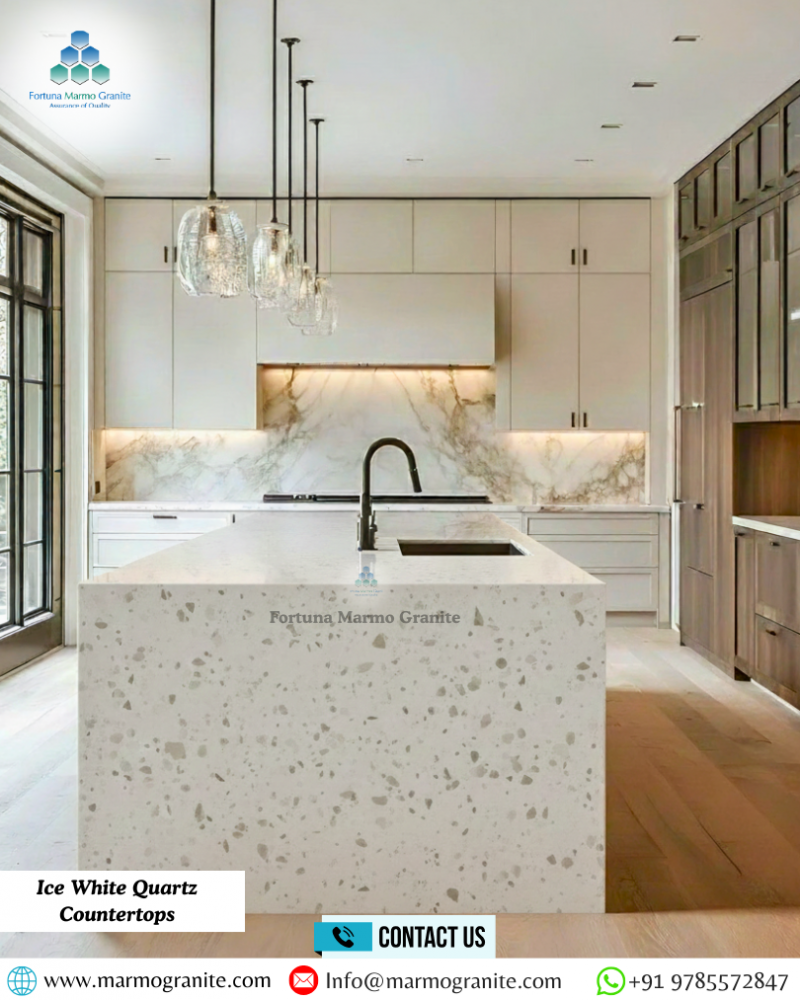
1. What is Quartz, Exactly? (Hint: It's Not Just Stone)
A common misconception is that quartz countertops are sliced straight out of a mountain like granite or marble. In reality, quartz is an engineered stone.
It is made by combining roughly 90% to 94% crushed natural quartz (one of the hardest minerals on Earth) with about 6% to 10% polymer resins and pigments. Think of it like a high-tech recipe: the quartz provides the strength, the resin binds it all together to make it non-porous, and the pigments give it those stunning colors and patterns.
2. The "Indestructible" Reputation: Pros and Cons
The Pros:
- Non-Porous: Unlike granite or marble, quartz doesn't have tiny holes. This means it won't soak up red wine, coffee, or oil. It's incredibly stain-resistant.
- No Sealing Required: You never have to "re-seal" quartz. Once it's installed, it's good to go for years.
- Uniformity: If you see a sample in a showroom, the slab you get will look almost exactly like it. There are no "surprises" like you might find with natural stone.
- Hygienic: Because it's non-porous, it doesn't harbor bacteria or mold. This makes it a gold standard for clean kitchens.
The Cons:
- Heat Sensitivity: This is the big one. Because of the resins used to hold the stone together, quartz is not heat-proof. If you take a boiling pot off the stove and put it directly on the surface, you risk cracking the slab or causing a permanent "scorch" mark.
- Price: It's rarely the "budget" option. It generally costs about the same as high-end granite.
- Indoor Use Only: The UV rays from the sun can actually fade the resins in quartz, so it's not a good choice for outdoor kitchens.
3. Understanding the Cost
When you start shopping, you'll see prices all over the map. Generally, you can expect to pay anywhere from $50 to $150 per square foot (including installation).
What drives the price up?
- Complexity of the Cut: If you have a lot of corners, sink cutouts, or a unique backsplash, the labor cost rises.
- Edge Profile: A simple "eased" edge (square) is usually included. Fancy "ogee" or "bullnose" edges will cost extra.
- Brand Name: Brands like Caesarstone, Silestone, and Cambria often come with a premium price tag because of their reputation and warranty.
- Measuring and Templating
Before the stone is even touched, a fabricator will come to your house to create a template. This is a precise digital or physical map of your cabinets.
Pro Tip: Your cabinets must be permanently installed and leveled before the templating happens. If you move a cabinet by even half an inch after the template is made, your expensive quartz won't fit.
During this phase, you also need to have your sink and faucet on-site. The fabricator needs to know the exact dimensions of the sink to cut the hole perfectly.
- The Mystery of Seams
Unless you have a very small kitchen or a massive "jumbo" slab, you will likely have a seam (where two pieces of stone meet).
A good installer can make a seam almost invisible by using color-matched epoxy, but you will still see a faint line. If you are choosing a quartz with "veining" (like a marble look), keep in mind that the veins might not perfectly line up at the seam. Always ask your fabricator where the seams will be located before they cut the stone.
- Daily Life: How to Live with Quartz
Once the installers leave and you're standing in your beautiful new kitchen, how do you keep it looking that way? It's simpler than you think:
- Clean with soap and water: You don't need fancy stone cleaners. A drop of dish soap and a soft cloth is usually all you need.
- Avoid harsh chemicals: Stay away from bleach, oven cleaners, or abrasive scrubbing pads (like steel wool). These can dull the finish over time.
- Use a trivet: Always, always use a hot pad or trivet for pots and pans.
- Use a cutting board: While quartz is scratch-resistant, it's not scratch-proof. Plus, cutting directly on quartz will dull your knives very quickly!
- Choosing Your Finish: Polished vs. Matte
Most quartz you see is Polished—it's shiny, reflective, and very easy to clean. However, Matte (or Honed) finishes are becoming popular for a more modern, organic look.
Before you go matte, be warned: matte surfaces tend to show fingerprints, water spots, and "metal marks" (from spoons or pans) much more easily than polished surfaces. If you hate seeing smudges, stick with a polished finish.
Conclusion
In conclusion, installing quartz countertops is a smart investment for homeowners and commercial spaces seeking a perfect balance of durability, style, and low maintenance. By understanding key factors such as material composition, design options, edge profiles, installation requirements, and long-term care, you can make a confident and informed decision that adds lasting value to your space.
Quartz countertops offer consistent beauty, excellent stain resistance, and reliable performance for everyday use, making them suitable for kitchens, bathrooms, and workspaces alike. Everything You Need to Know Before Installing Quartz, For premium-quality quartz surfaces, expert guidance, and seamless execution from selection to installation, Fortuna Marmo Granite delivers trusted solutions backed by industry experience and a commitment to excellence, ensuring your quartz countertop project meets the highest standards of quality and satisfaction.