
Quartz Countertops: The Perfect Blend of Style, Strength, and Modern Functionality
Quartz Countertops, When you're standing in a kitchen showroom or scrolling through Pinterest, the sheer number of countertop options can be dizzying. You have marble, granite, wood, stainless steel, and even concrete. But in recent years, one material has climbed to the top of the leaderboard and stayed there: Quartz.
Often called "engineered stone," quartz is more than just a passing trend. It's the result of human ingenuity meeting natural beauty. If you're looking for a surface that can handle a chaotic Monday morning breakfast and still look like a million bucks for a Saturday night dinner party, quartz is your best friend.
Here is a deep dive into why quartz countertops are the perfect blend of style, strength, and modern functionality.
What Exactly is a Quartz Countertop?
Before we talk about why it's great, let's clear up a common myth: Quartz is not the same as Quartzite.
While Quartzite is a natural stone mined from the earth like granite, Quartz countertops are man-made. They are composed of roughly 90% to 95% crushed natural quartz (one of the hardest minerals on Earth) mixed with about 5% to 10% polymer resins and pigments.
Think of it like a high-tech recipe. The crushed stone provides the strength, the resins act as the "glue" that makes it non-porous, and the pigments allow for a dizzying array of colors and patterns.
1. The Style Factor: A Chameleon for Your Kitchen
Mimicking Natural Stone
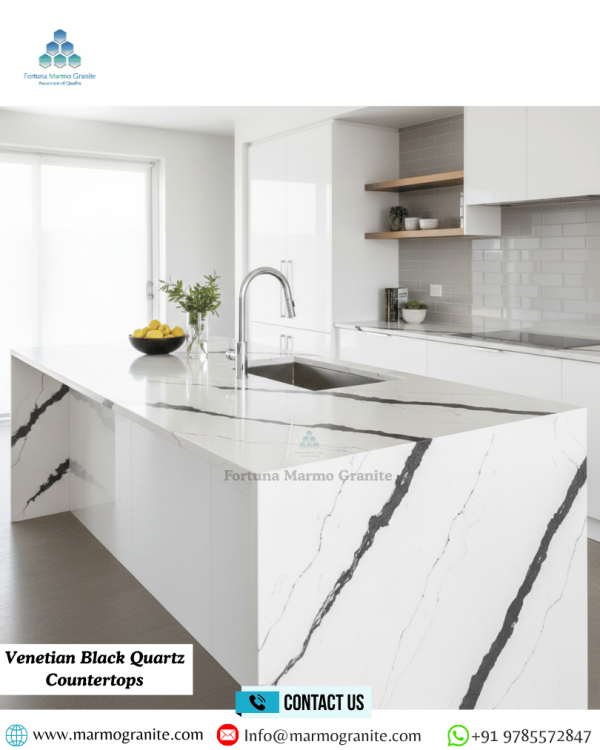
For a long time, people chose marble because of its elegant veining. However, marble is notoriously soft and prone to staining. Modern quartz can now mimic the look of Carrara or Calacatta marble so closely that even pros have to look twice. You get the high-end "Old World" look without the "Old World" maintenance.
Consistent Patterns
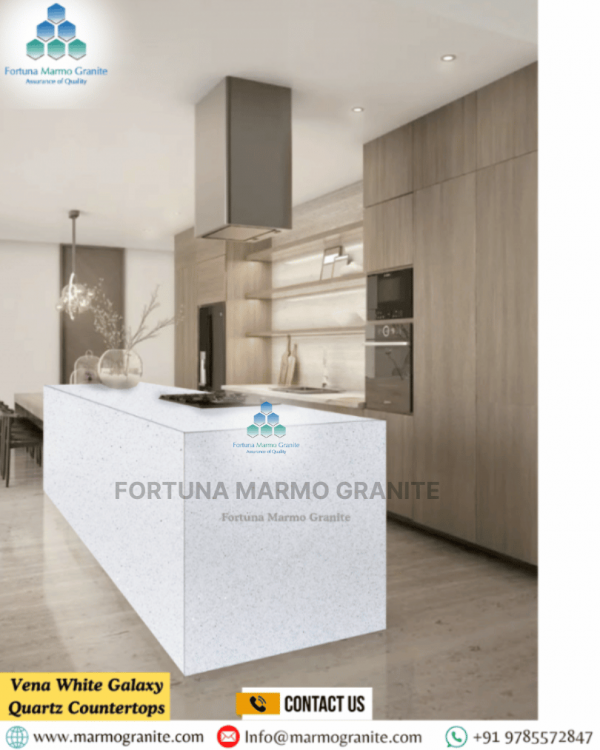
Unlike granite, where every slab is a total surprise (which can be a headache when trying to match seams), quartz offers consistency. If you see a sample in a store, that is exactly what your countertop will look like. This makes it ideal for modern, minimalist designs where clean lines and uniform colors are essential.
Bold and Unique Colors
Want a solid bright red countertop? Or maybe a sleek, matte black surface that looks like volcanic rock? Because pigments are added during the manufacturing process, quartz can come in colors that nature simply doesn't produce.
2. Unmatched Strength: Built for Real Life
Scratch and Impact Resistance
Quartz is incredibly hard. On the Mohs scale of mineral hardness, quartz usually sits at a 7, while a diamond is a 10. This means it's highly resistant to scratches. While we always recommend using a cutting board, you don't have to panic if a knife slips.
Structural Integrity
Because quartz is engineered with resin, it's more flexible than natural stone. This makes it less likely to chip or crack during installation or if something heavy is dropped on it. Granite is beautiful but brittle; quartz is tough.
3. Modern Functionality: The Busy Person's Dream
It's Non-Porous
Natural stones like granite and marble have tiny microscopic pores. If you spill coffee or oil on them, the liquid can seep into the stone and leave a permanent stain. Quartz is non-porous. The resin seals every gap, meaning liquids stay on the surface.
No Sealing Required… Ever
This is the "killer feature" for many homeowners. Granite and marble require periodic sealing (usually once a year) to keep them from staining. Quartz never needs to be sealed. You install it, and you're done for the next 20+ years.
Hygiene and Safety
Because it's non-porous, quartz doesn't harbor bacteria, mold, or mildew. For families who do a lot of raw food prep on their counters, this is a massive health benefit. It's a "clean" surface in every sense of the word.
4. Comparing the Icons: Quartz vs. Granite vs. Marble
- Things to Keep in Mind (The "Fine Print")
No material is 100% perfect. To be a smart buyer, there are two things you should know about quartz:
- Heat Sensitivity: While quartz is heat-resistant, it isn't heat-proof. The resins used in the slab can melt or discolor if you take a boiling pot directly off the stove and set it on the counter. Always use a trivet!
- Indoor Only: Quartz isn't a fan of the sun. Long-term exposure to direct UV rays can cause the pigments to fade or the slab to warp. It's a superstar for the indoor kitchen, but leave the outdoor BBQ island for granite or tile.
- Environmental Impact and Sustainability
Modern homeowners are increasingly concerned with the "green" factor. Quartz is often considered a more sustainable choice than natural stone for a few reasons:
- Abundant Resources: Quartz is one of the most abundant minerals on the planet.
- Recycled Content: Many manufacturers use recycled glass or stone scraps in their mix.
- Longevity: Because it lasts so long without needing replacement, it reduces waste over the lifetime of a home.
Conclusion
Quartz countertops offer the ideal combination of modern elegance, exceptional durability, and everyday practicality, making them a smart choice for both residential and commercial spaces. Their non-porous surface resists stains, scratches, and bacteria, while the wide range of colors and patterns allows seamless design flexibility for any interior style.
Indian Granite Supplier, With minimal maintenance and long-lasting performance, quartz surfaces effortlessly enhance the beauty and functionality of kitchens and bathrooms. For high-quality stone solutions crafted with precision and care, Fortuna Marmo Granite provides premium quartz countertops that elevate every space with lasting value and sophistication.