
Best Methods to Clean Rust Stains from Sandstone Without Damage
Best Methods to Clean Rust Stains from Sandstone, Sandstone is one of the most beautiful natural materials you can use for your patio, driveway, or garden path. It has that warm, earthy appeal that makes any outdoor space look high-end. However, sandstone is also like a giant sponge. Because it is highly porous, it drinks up liquids—including the orange, unsightly runoff from rusted metal furniture, leaking gutters, or iron-rich fertilizers.
Indian Sandstones Supplier, If you've discovered a bright orange streak on your pristine stone, don't panic. While rust is stubborn, sandstone is delicate. Using the wrong chemicals can lead to "spalling" (flaking) or permanent discoloration.
In this guide, we'll walk through the safest, most effective ways to remove rust stains from sandstone without ruining the stone's integrity.
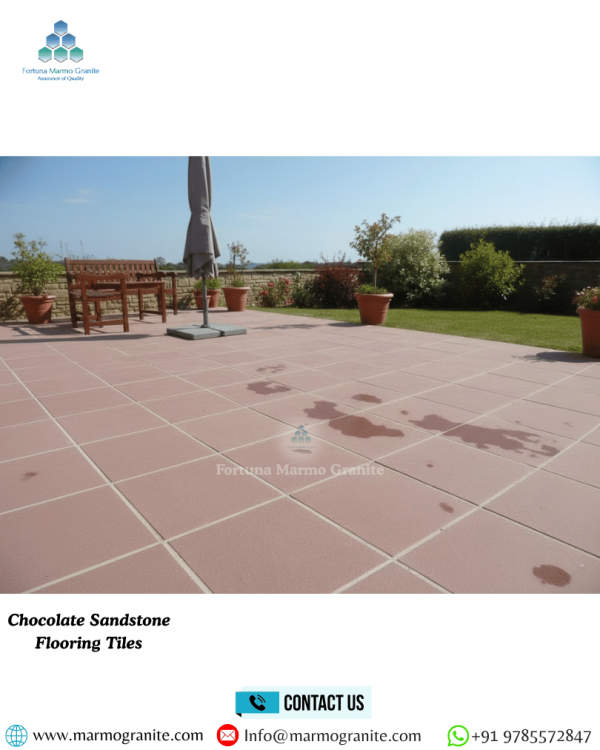
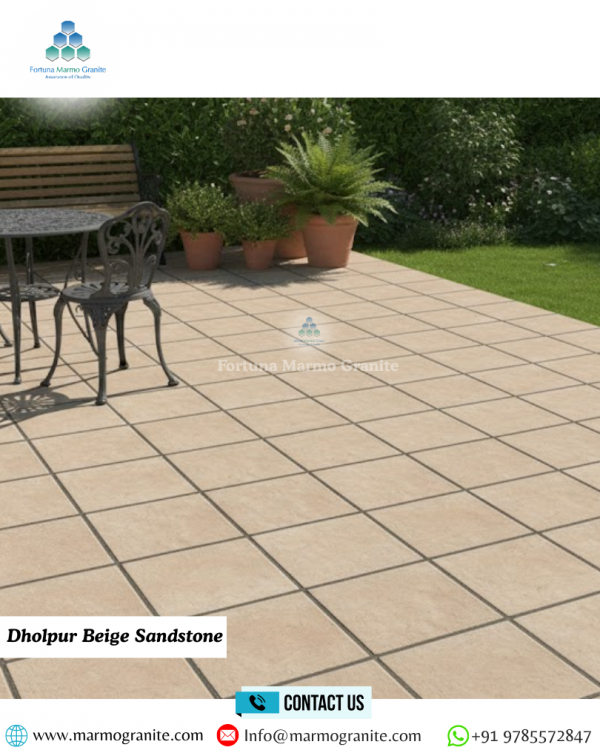
Why is Sandstone So Tricky to Clean?
Before we jump into the "how," we need to understand the "why." Sandstone is a sedimentary rock held together by natural binders. Some of these binders are sensitive to high levels of acid.
If you go to a hardware store and grab a generic "Rust Remover," it likely contains hydrofluoric or hydrochloric acid. While these eat through rust, they can also eat through the minerals in your sandstone, leaving it pitted, white, or structurally weak.
To clean sandstone safely, you need a balance: something strong enough to break the iron oxide (rust) bond, but gentle enough to leave the stone's "skeleton" intact.
Method 1: The Gentle Approach (Lemon Juice and Salt)
What You'll Need:
- Fresh lemon juice (citric acid)
- Table salt
- A soft-bristled nylon brush (avoid wire brushes!)
The Process:
- Prep the area: Sweep away any loose dirt or debris.
- Apply the mixture: Pour enough lemon juice to cover the stain, then sprinkle a generous layer of salt over it. The salt acts as a mild abrasive and helps keep the juice from evaporating.
- Wait: Let it sit for about 15–20 minutes. Do not let it dry completely under the sun.
- Scrub: Use your nylon brush to scrub in a circular motion.
- Rinse: Wash the area thoroughly with clean water.
Method 2: The "Non-Acidic" Commercial Cleaners (Best for Deep Stains)
If the stain has been there for months, lemon juice won't cut it. You need a dedicated pH-neutral rust remover.
Look for products specifically labeled as "Acid-Free Rust Remover" or "Non-Acidic Stone Cleaner." These products use a chemical reaction that turns the rust into a water-soluble purple liquid that can be rinsed away.
The Process:
- Test a spot: Always test the cleaner on a hidden corner of a stone to ensure it doesn't change the color.
- Apply to dry stone: Apply the liquid directly to the rust stain.
- The Color Change: You will likely see the liquid turn deep purple. This is a good sign! It means the chemical is reacting with the iron.
- Dwell time: Let it sit for the time recommended on the bottle (usually 5–10 minutes).
- Rinse and Agitate: Scrub lightly and rinse with plenty of water.
Method 3: The Baking Soda Paste (For Vertical Surfaces)
If the rust stain is on a sandstone wall or a vertical pillar, liquids will just run off. You need something that "sticks."
The Process:
- Make a Poultice: Mix baking soda with a little bit of water (or lemon juice for extra kick) until it reaches the consistency of peanut butter.
- Apply: Slather the paste over the rust stain about half an inch thick.
- Cover: Cover the paste with plastic wrap and tape the edges. This keeps the paste moist so it can draw the stain out.
- Wait: Leave it for 24 hours.
- Remove: Scrape the paste off gently with a plastic spatula and rinse.
Common Mistakes to Avoid
- Never Use a Wire Brush
Steel brushes can leave behind tiny fragments of metal embedded in the pores of the sandstone. These fragments will eventually oxidize, creating new rust stains. Always use nylon or natural fiber brushes.
- Avoid High-Pressure Washing
Pressure washers are great for concrete, but they are too aggressive for sandstone. High pressure can strip the top layer of the stone, making it feel rough and making it even more susceptible to future staining. Use a "fan" spray setting or a garden hose instead.
- Steer Clear of Bleach
Bleach is great for killing mold and algae, but it does absolutely nothing for rust. In some cases, the chemicals in bleach can actually react with the minerals in the stone and make the orange color more permanent.
How to Prevent Future Rust Stains
Cleaning rust once is a chore; preventing it is a strategy. Once your stone is clean, take these steps to keep it that way:
- Seal the Stone: Use a high-quality, breathable "impregnating sealer." This doesn't change the look of the stone, but it fills the microscopic pores so that rust particles can't sink in.
- Check Your Furniture: If you have metal chairs or tables on your patio, check the "feet." If the plastic caps are missing, replace them or place the furniture on outdoor rugs.
- Mind the Fertilizer: Many lawn fertilizers contain iron. If you accidentally get granules on your sandstone, sweep them off immediately before you turn on the sprinklers.
Summary Table: Which Method Should You Use?
Conclusion
In conclusion, cleaning rust stains from sandstone without causing damage requires the use of gentle, stone-safe methods that respect the natural porosity and texture of the surface. Identifying the source of rust, choosing appropriate non-acidic or mild poultice treatments, and avoiding harsh chemicals are essential steps to effectively remove stains while preserving the stone's natural color and strength. Proper cleaning not only restores the appearance of sandstone but also helps extend its lifespan in pathways, walls, façades, and architectural applications.
Best Methods to Clean Rust Stains, At Fortuna Marmo Granite, we emphasize safe and effective stone care solutions backed by deep industry knowledge and hands-on experience with natural stones. With a strong focus on quality, reliability, and long-term performance, Fortuna Marmo Granite provides expert guidance and premium sandstone products that maintain their beauty and durability even in challenging environments.