
Restoring Worn Monument Lettering Without Damaging the Stone
Restoring Worn Monument Lettering, Walking through an old cemetery or visiting a historical plaza, there is a profound sense of connection when you read the names and dates etched into stone. These monuments are more than just markers; they are stories frozen in time. However, time is not always kind. Rain, wind, pollution, and biological growth like lichen can slowly eat away at the inscriptions, making them nearly impossible to read.
If you are looking to restore the lettering on a headstone or monument, the instinct is often to "fix it fast." But when dealing with stone that has stood for decades or centuries, the wrong move can lead to permanent damage.
Here is a guide on how to restore worn monument lettering with a focus on preservation, patience, and "doing no harm."
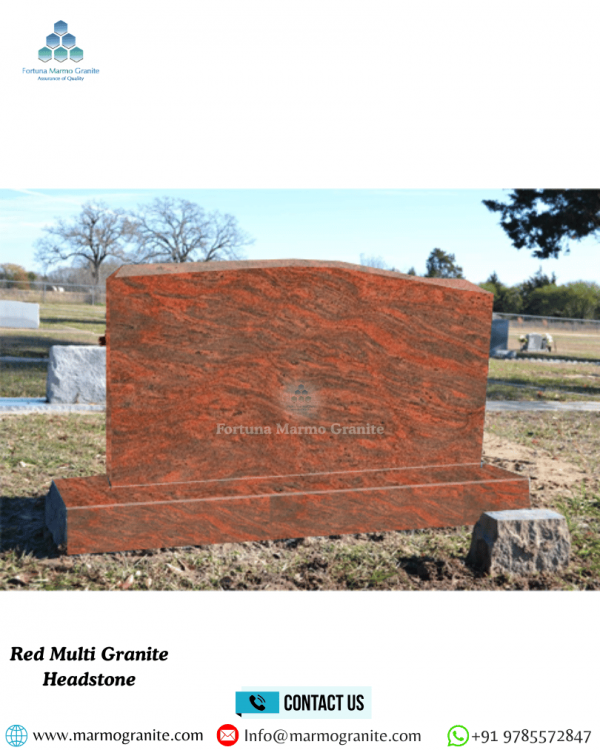
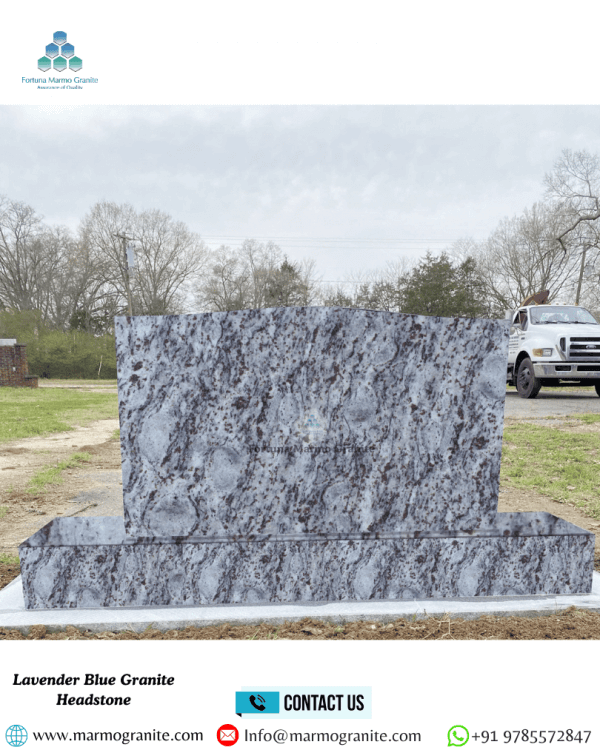
1. The Golden Rule: Do No Harm
Before you pick up a brush or a bottle of cleaner, you must adopt the conservator's mindset: Less is more. The goal of restoration isn't to make an old stone look brand new; it is to make the information legible while preserving the integrity of the material. Avoid power washers, wire brushes, or harsh household chemicals like bleach. These can cause the stone to "sugar" (crumble into tiny grains) or create microscopic cracks that trap water, leading to further decay during freeze-thaw cycles.
2. Identify the Stone Type
Different stones require different treatments. Before starting, identify what you are working with:
- Granite: Extremely hard and durable. It can handle most gentle cleaning methods.
- Marble and Limestone: Soft and porous. These are highly sensitive to acids (even "natural" cleaners like vinegar) and can dissolve if treated too aggressively.
- Sandstone: Very fragile. These stones often "delaminate," meaning the layers can flake off like a pastry.
If the stone is already flaking, crumbling, or hollow-sounding when tapped lightly, stop. In these cases, professional stabilization is needed before any lettering restoration can occur.
3. The Cleaning Phase (The Most Important Step)
Materials Needed:
- Distilled water (or a nearby hose).
- Soft-bristled brushes (natural fiber or nylon; never metal).
- Wooden skewers or popsicle sticks (for picking debris out of letters).
- Biological cleaner (such as D/2 Biological Solution, which is the industry standard).
The Process:
- Saturate the Stone: Always keep the stone wet. Cleaning a dry stone can drive dirt deeper into the pores.
- Scrub Gently: Work from the bottom up to avoid streak staining. Use circular motions with your soft brush.
- Clean the Grooves: Use your wooden skewer to gently lift out moss or dirt wedged inside the carvings.
- Rinse Thoroughly: Ensure no cleaning residue remains.
4. Assessing Legibility After Cleaning
Once the stone is clean and dry, you might find you don't need to add any "paint" at all. Often, the shadow created by the depth of the carving is enough to make the name readable.
The "Flashlight Trick": If you are struggling to read the text, try a "raking light" technique. Hold a flashlight at a sharp angle to the side of the stone. This creates long shadows in the inscriptions, making the letters pop without you having to touch them.
5. Re-Inking or Painting Lettering
Choosing the Right Product
Never use standard house paint or spray paint. These trap moisture behind the paint film, which will eventually cause the stone surface to pop off.
- Litho Chrome: This is a specialized monument paint designed to be breathable and weather-resistant.
- Glass Enamels: Sometimes used for high-end, long-lasting results.
- Gold Leaf: For historical monuments that were originally gilded, real 23k gold leaf is actually the most durable option, though it requires specialized skill to apply.
Application Technique:
- Ensure Total Dryness: The stone must be completely dry. Even a little internal moisture can cause the new paint to bubble.
- Apply Sparingly: Use a small, fine-tipped artist's brush. Fill the bottom of the letter groove, but try not to "over-paint" onto the polished surface of the stone.
- The "Wipe" Method: If you are working on polished granite, many professionals apply the paint and then use a specialized monument scraper or a rag dampened with a specific solvent to wipe the excess off the surface, leaving paint only in the recessed letters.
6. What to Avoid: Common Mistakes
To ensure the monument lasts another hundred years, avoid these "quick fixes":
- Shaving Cream: A popular "hack" for reading stones. Don't do it. The oils and chemicals in shaving cream are acidic and can soak into the stone, causing permanent staining and biological growth.
- Flour or Chalk: These can get stuck in the pores of the stone and are difficult to remove.
- Pressure Washers: The high PSI can blast away the "patina" of the stone and open up pores, leading to faster erosion.
7. When to Call a Professional
Restoration is a labor of love, but sometimes it's beyond a DIY project. Consider hiring a conservator if:
- The stone is broken or leaning significantly.
- The surface is "sugaring" or flaking off in large chunks.
- The monument is made of rare materials or has significant historical value.
- The lettering is almost entirely eroded (a pro can use specialized tools to "deepen" the carving without cracking the slab).
Summary Table: Dos and Don'ts
| Feature | DO | DON’T |
|---|---|---|
| Cleaning Agent | Clean water or D/2 Biological Solution | Bleach, Vinegar, or Ammonia |
| Tools | Soft nylon brushes, wooden sticks | Wire brushes, metal scrapers |
| Pressure | Gentle hand-scrubbing | Power washing |
| Legibility | Use a flashlight at an angle | Use shaving cream or chalk |
| Paint | Breathable monument-grade inks | Oil-based house paint or spray paint |
Conclusion
In conclusion, restoring worn monument lettering without damaging the stone requires careful assessment, the right restoration techniques, and skilled craftsmanship to preserve both the message and the integrity of the monument. Using gentle cleaning methods, precise re-cutting, repainting, or gold leaf application ensures that inscriptions remain legible while protecting the natural strength and appearance of the stone. Proper restoration not only honors the original memorial but also extends the monument's lifespan, maintaining its historical, emotional, and aesthetic value for future generations.
At Fortuna Marmo Granite, we understand the importance of respectful and durable monument restoration, offering expert solutions that focus on precision, stone safety, and long-lasting results. With extensive experience in natural stone processing and a commitment to quality, Fortuna Marmo Granite delivers reliable monument lettering restoration that preserves the dignity and beauty of every memorial.