
Indian Marble Blocks for Slab and Tile Manufacturing Worldwide
Indian Marble Blocks for Slab & Tile Manufacturing Worldwide, In the world of architecture and interior design, few materials carry the same prestige and timeless appeal as marble. While many immediately think of Italy when they hear the word "marble," India has quietly become a global powerhouse in the industry. From the iconic white halls of the Taj Mahal to modern skyscrapers in Dubai and luxury apartments in New York, Indian marble is everywhere.
But how does a massive, 20-ton block of stone in a Rajasthan quarry become the sleek, polished tile under your feet? This blog explores the fascinating world of Indian marble blocks and how they are manufactured into the slabs and tiles that define luxury worldwide.
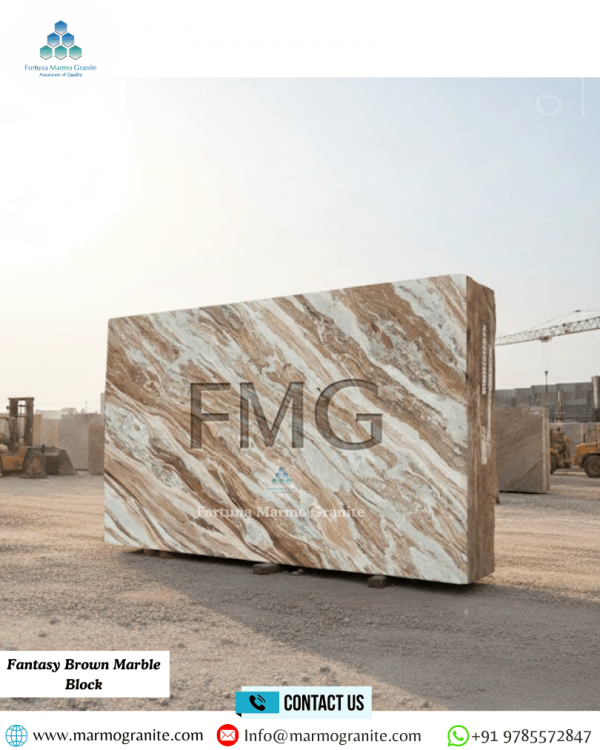
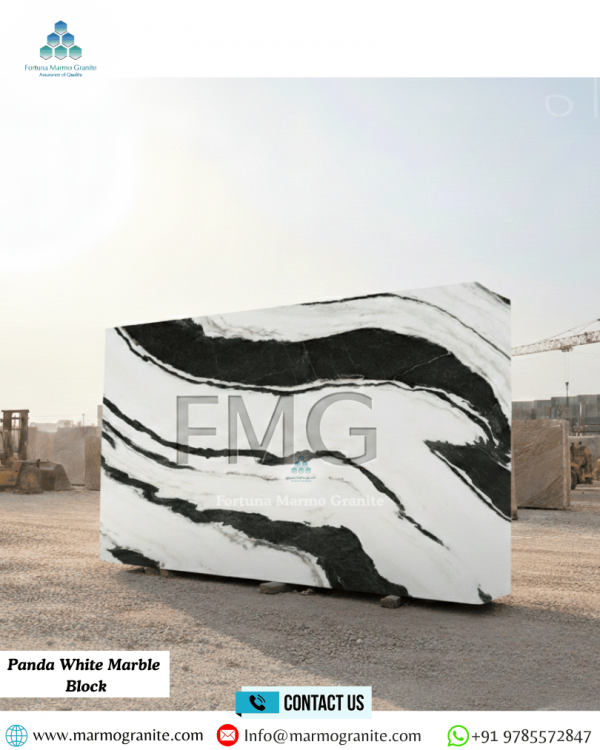
Why India is a Global Hub for Marble
India's geological diversity is its greatest strength. The country is home to some of the most unique and durable marble varieties found anywhere on Earth. In 2026, the Indian marble market continues to see record growth, driven by an international appetite for natural, sustainable materials.
Several factors make Indian marble a top choice for global manufacturers:
- Abundant Variety: Whether you want the pure, milky white of Makrana, the deep forest greens of Udaipur, or the dramatic earthy veins of Rainforest Marble, India has it all.
- Incredible Durability: Many Indian varieties are harder and less porous than their European counterparts, making them ideal for high-traffic areas.
- Cost-Effectiveness: India offers a high-end luxury look at a more competitive price point compared to Italian or Turkish stones.
- Technological Advancement: Modern Indian factories now use world-class machinery, ensuring that every slab is cut with precision and polished to a mirror finish.
Popular Varieties of Indian Marble Blocks
1. Makrana White Marble
This is the gold standard. Known as the "Taj Mahal stone," Makrana marble is famous for not requiring any chemical reinforcements. It stays white for centuries and actually becomes more lustrous with age.
2. Indian Statuario and Fantasy White
For those who love the look of Italian Statuario but want something more durable, Indian Statuario offers beautiful grey veining on a white base. It is a favorite for luxury hotel lobbies and high-end bathroom countertops.
3. Rainforest Green and Brown
Quarried in Bidasar, these stones look like a work of art. Their unique, tree-branch-like patterns make them a top choice for "feature walls" or statement furniture pieces in modern homes.
4. Udaipur Green (Verde Guatemala)
One of the most exported marbles from India, its deep emerald color and white veining are prized in European and Middle Eastern markets for flooring and decorative inlays.
The Manufacturing Process: From Block to Slab
Step 1: Dressing the Block
When a block arrives from the quarry, it is often irregular. Using a Block Dressing Machine, the sides are trimmed to create a perfect rectangular shape. This ensures the block sits securely in the cutting machine and reduces waste.
Step 2: Strengthening and Reinforcement
Before cutting, many blocks undergo a "strengthening" process. They are wrapped in a special fiber mesh and treated with epoxy resin. This prevents the stone from cracking or chipping during the high-speed sawing process.
Step 3: Gangsaw Cutting
The block is placed under a Gangsaw, a massive machine with dozens of diamond-tipped blades. These blades move back and forth, slicing the entire block into multiple slabs simultaneously. The standard thickness for most international markets is 18mm to 20mm.
Step 4: Resin Treatment and Drying
Once cut, the slabs are dried in specialized kilns to remove all moisture. A high-quality resin is applied to the surface to fill any microscopic pores or natural fissures. This not only makes the stone stronger but also enhances its final color.
Step 5: Polishing
This is the most satisfying part of the process. The slabs pass through an automated polishing line with multiple "heads" that use progressively finer abrasives. This brings out the natural shine and reveals the intricate patterns hidden inside the stone.
Tiles vs. Slabs: What the World Wants
Depending on the project, manufacturers process the marble into two main forms:
- Gangsaw Slabs: These are large-format pieces (often over 2.5 meters long). They are used for seamless flooring, large kitchen islands, and wall cladding where you want the pattern to flow uninterrupted.
- Marble Tiles: Slabs are cut into smaller, standard sizes (like 60×60 cm or 30×60 cm). Tiles are easier to transport and install, making them the preferred choice for residential bathrooms and smaller commercial projects.