
Indian Marble Flooring vs Granite: Pros, Cons, and Long-Term Performance
Indian Marble Flooring vs Granite, When you are building your dream home in India, the floor is one of the most important decisions you will make. It's the foundation of your interior design and something you'll walk on every single day for decades. In the world of natural stones, the debate usually boils down to two heavyweights: Indian Marble and Granite.
Indian Marble Flooring Tiles Supplier , Both are beautiful, natural, and prestigious, but they are worlds apart when it comes to how they handle a busy Indian household. Let's break down the pros, cons, and long-term performance of these two icons to help you decide which one belongs under your feet.
1. Indian Marble: The Timeless Classic
The Pros: Why We Love It
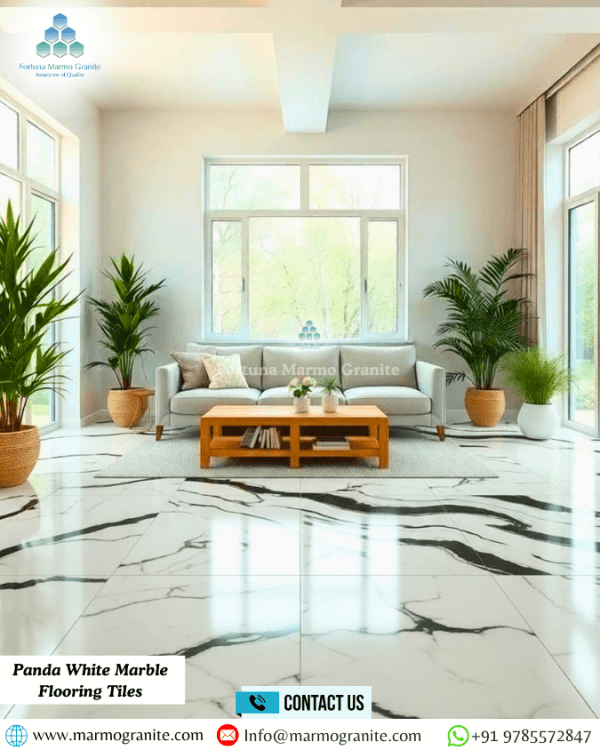
- Unmatched Elegance: Marble has a soft, luminous glow. Its unique "veining" (those wavy lines) gives it a high-end, sophisticated look that granite simply cannot replicate.
- Stays Cool: Marble is a natural heat sink. In the scorching Indian summers, a marble floor stays remarkably cool, making it a blessing for bare feet.
- Brightens the Space: Because marble reflects light beautifully, it can make a small or dark room feel much more spacious and airy.
- Spiritual Vibe: For many Indian families, white marble is the only choice for Pooja rooms because it symbolizes purity and peace.
The Cons: The Reality Check
- High Maintenance: Marble is "porous." If you spill haldi (turmeric), red wine, or lemon juice and don't wipe it immediately, it will leave a permanent stain or an "etch" mark.
- Soft Nature: It is prone to scratches from heavy furniture or high-heeled shoes.
- Periodic Polishing: To keep that "new home" shine, you'll need to get it professionally polished every 3–5 years.
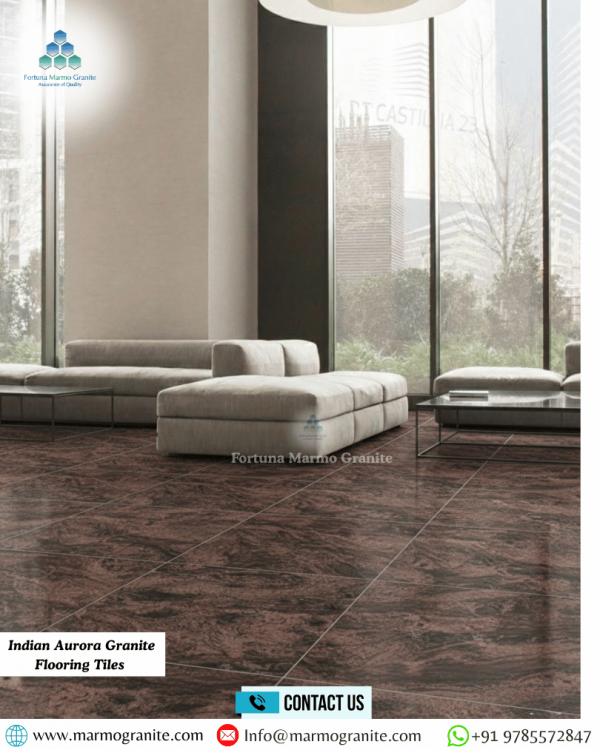
2. Granite: The Indestructible Workhorse
The Pros: Why It's Popular
- Super Durable: Granite is incredibly hard. It doesn't scratch easily, it doesn't chip often, and it can handle heavy foot traffic without breaking a sweat.
- Stain Resistant: Unlike marble, granite is very dense. It doesn't soak up liquids quickly, making it much more forgiving if you're a bit messy in the kitchen.
- Low Upkeep: You don't need special cleaners. A simple damp cloth and mild soap are enough. It rarely needs re-polishing.
- Endless Variety: From the deep blacks of Rajasthan to the earthy reds of South India, granite comes in thousands of "speckled" patterns.
The Cons: What to Watch Out For
- The "Busy" Look: Granite has a grainy, speckled appearance. Some people find this look too "busy" or "industrial" for a cozy living room.
- Hard and Cold: It is very hard underfoot. Dropping a glass plate on granite almost guarantees it will shatter. It can also feel very cold in winter.
- Visible Seams: Because granite comes in slabs, the joints or "seams" between pieces are often more visible than they are with marble.
3. Comparison at a Glance: 2026 Edition
4. Long-Term Performance: How They Age
The Marble Aging Process
Marble ages like a fine wine, but only if you care for it. Over the years, it develops a "patina"—a slightly worn, lived-in look that some people find charming. However, if neglected, marble can look dull, yellowed, or pitted. The good news? You can always "reset" marble. A professional grinding and polishing session can literally peel off the top microscopic layer of the stone, revealing a brand-new, shiny surface underneath.
The Granite Aging Process
Granite is the "set it and forget it" stone. Ten years later, a granite floor will look almost exactly the same as the day it was installed. It doesn't lose its shine easily and is far less likely to show wear and tear in high-traffic areas like corridors or staircases. However, if it does get a deep crack or a chip, it is much harder to repair invisibly compared to marble.
Final Verdict: Which One Should You Choose?
Choose Indian Marble if:
- You want a "wow" factor and a luxurious, royal feel.
- You are okay with a bit of "housework" and careful usage.
- You want your rooms to feel cool and bright.
- You are designing a space with low foot traffic, like a bedroom or a formal sitting area.
Choose Granite if:
- You have a busy home with kids, pets, or lots of guests.
- You want a "fit and forget" solution with zero stress.
- You are choosing flooring for the kitchen, stairs, or balcony.
- You prefer a modern, earthy, or bold aesthetic.
Conclusion
In conclusion, choosing between Indian marble flooring and granite depends on factors such as aesthetics, usage, maintenance, and long-term performance. Indian marble is admired for its elegant veining, natural shine, and luxurious appeal, making it a preferred choice for areas where visual sophistication is a priority, while granite stands out for its superior strength, scratch resistance, and ability to withstand heavy foot traffic with minimal maintenance. Both materials offer unique advantages, and when selected thoughtfully based on application and environment, they can deliver excellent durability and lasting value over time.
Indian Granite Supplier , At Fortuna Marmo Granite, we provide a wide range of premium Indian marble and high-quality granite flooring solutions, processed with precision and strict quality standards. With our deep expertise in natural stone manufacturing and commitment to consistent quality and global supply, Fortuna Marmo Granite helps clients make the right flooring choice that balances beauty, performance, and long-term reliability for residential and commercial spaces worldwide.