
Sandstone vs Limestone Paving: Pros, Cons, and Best Uses
Sandstone vs Limestone Paving, Choosing the right stone for your outdoor space is like picking the right outfit: it needs to look great, but it also has to handle the weather. When it comes to natural stone paving, Sandstone and Limestone are the two heavyweights.
Indian Sandstones Supplier, Both are beautiful, "earth-grown" materials, but they have very different personalities. Sandstone is the rugged, warm, and textured choice, while Limestone is the sleek, uniform, and sophisticated alternative.
In this guide, we'll break down everything you need to know about Sandstone vs. Limestone to help you decide which is the perfect fit for your home.
What is the Difference? A Quick Overview
Before we dive into the pros and cons, it helps to understand what these stones actually are.
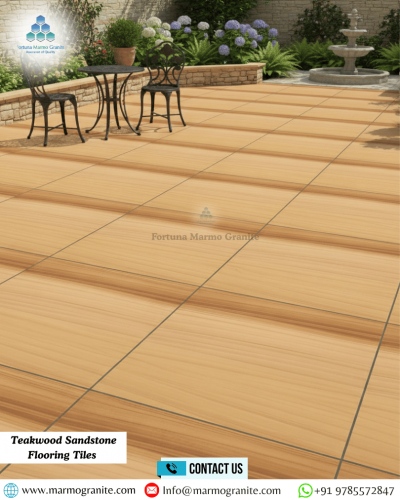
- Sandstone is made of tiny grains of minerals (mostly quartz) held together by a natural "glue" like silica or iron oxide. Think of it as compressed beach sand. It's known for its grainy, sandpaper-like feel and vibrant, wavy colors.
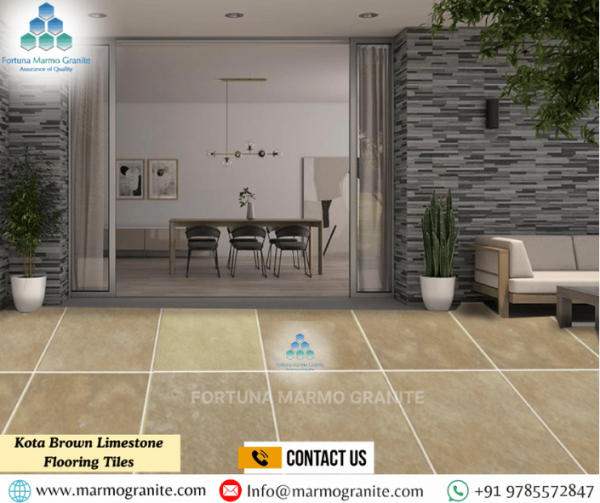
- Limestone is formed from the remains of ancient sea life, like shells and coral. Because it's packed with calcium carbonate, it's denser and usually has a smoother, more consistent look.
Sandstone Paving: The Warm & Rustic Choice
The Pros
- Unique Natural Beauty: No two sandstone slabs are identical. You get a mix of colors—tans, greys, reds, and golds—that create a vibrant, warm look.
- Excellent Grip: Because of its grainy texture, sandstone is naturally slip-resistant. This makes it a top choice for pool surrounds or areas where kids run around.
- Easy to Work With: It is relatively easy for builders to cut and shape. If you're a DIY enthusiast, sandstone is generally more "forgiving" than harder stones.
- Stays Warm: Sandstone tends to absorb and hold heat, making it feel cozy underfoot even on cooler autumn evenings.
The Cons
- Highly Porous: Sandstone is like a sponge. It absorbs water easily, which can lead to algae or moss growth if it's not cleaned regularly.
- Prone to Fading: Over many years, the bright colors of sandstone can soften or fade under intense sunlight (though some people prefer this "aged" look).
- Softer Surface: It can be scratched by heavy metal furniture or chipped if something very heavy is dropped on it.
Best Uses for Sandstone
- Rustic Garden Patios: Perfect for a "country cottage" vibe.
- Pool Decks: Its non-slip surface is a lifesaver around water.
- Curving Paths: Because it's easy to cut, it's great for winding garden walkways.
Limestone Paving: The Sleek & Sophisticated Choice
The Pros
- Uniform Look: Limestone offers a very consistent color palette. If you order "Grey Limestone," almost every slab will be a similar shade of grey, creating a clean, organized look.
- Durability: Because it is denser than sandstone, it is very strong. It handles heavy foot traffic and "freeze-thaw" weather cycles (where water freezes in cracks) very well.
- Low Maintenance: Its density means it doesn't absorb as much dirt or moisture as sandstone. It stays cleaner for longer and is less likely to grow moss.
- Cool to the Touch: Unlike sandstone, limestone stays relatively cool in the summer heat, making it comfortable for bare feet in July.
The Cons
- Sensitive to Acid: This is a big one. You cannot use acidic cleaners (like vinegar or many heavy-duty patio cleaners) on limestone. It will literally dissolve the surface and leave permanent marks.
- Can be Slippery: When polished or wet, limestone can be smoother than sandstone. It's often better to choose a "tumbled" or "honed" finish for better grip.
- Limited Colors: You won't find the wild oranges or pinks of sandstone here. Limestone mostly sticks to elegant greys, creams, and blacks.
Best Uses for Limestone
- Modern/Minimalist Patios: Great for sharp lines and a "clean" aesthetic.
- Large Entertaining Areas: Its durability makes it perfect for heavy patio furniture and big gatherings.
- Driveways: Its density allows it to handle the weight of vehicles better than many types of sandstone.
Head-to-Head Comparison
Conclusion
In conclusion, both sandstone and limestone paving offer unique advantages, and the right choice depends on your design goals, climate conditions, and usage requirements. Sandstone is appreciated for its natural variation, slip resistance, and rustic charm, Sandstone vs Limestone Paving, while limestone is favored for its uniform appearance, smooth texture, and elegant appeal.
Indian Limestone Paving Supplier, Understanding the pros, cons, and best uses of each material helps ensure long-lasting performance and visual harmony in outdoor spaces. As a trusted natural stone supplier, Fortuna Marmo Granite provides high-quality sandstone and limestone paving solutions, expertly processed to meet international standards and suit a wide range of landscaping and architectural projects worldwide.