
Quartz Stone for Interiors: A Smart Choice for Style and Durability
Quartz Stone for Interiors, When you think about renovating your home, the kitchen and bathroom are usually at the top of the list. These are the "high-traffic" zones—the places where life happens, coffee spills, and kids drop heavy toys. Because of this, picking the right material for your countertops and surfaces isn't just about what looks pretty; it's about what can survive your daily routine.
In recent years, one material has climbed to the top of the leaderboard: Quartz.
If you are looking for a surface that balances "magazine-cover looks" with "industrial-strength toughness," quartz is the smart choice. In this guide, we'll dive deep into why quartz has become the darling of modern interior design.
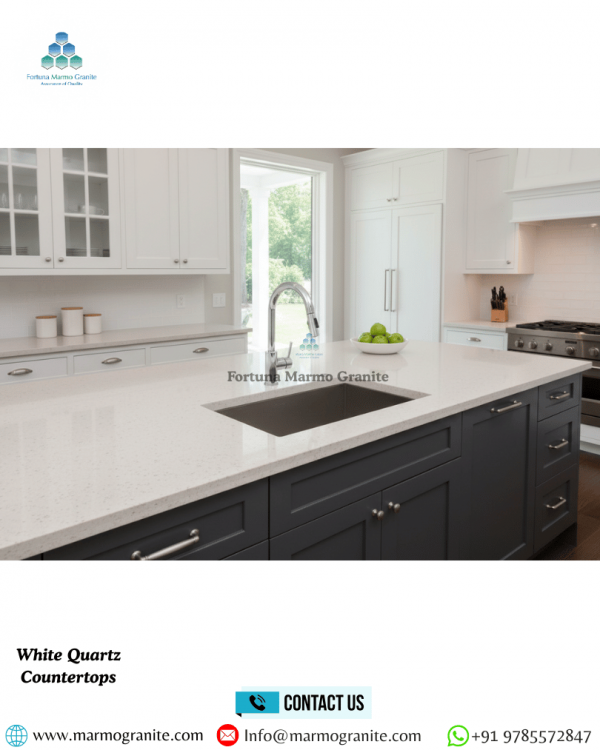
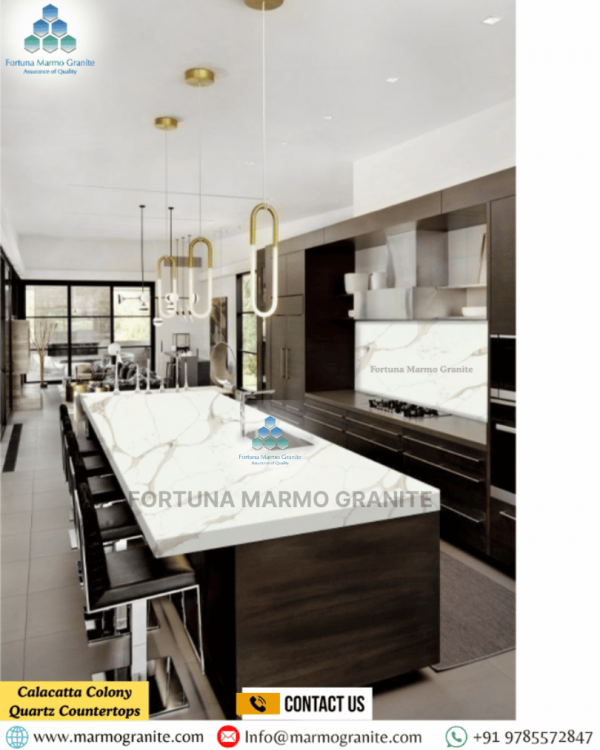
What Exactly is Quartz Stone?
Before we talk about why it's great, let's clear up one common misconception. Unlike marble or granite, which are sliced straight out of the earth in big blocks, quartz used for interiors is an engineered stone.
It is made by combining roughly 90% to 95% ground natural quartz (one of the hardest minerals on Earth) with about 5% to 10% polyester resins and pigments. This mixture is pressed into slabs using intense heat and pressure.
The result? A stone that is actually tougher than many natural stones and far more flexible in terms of design.
The Style Factor: A Designer's Playground
One of the biggest reasons homeowners choose quartz is the sheer variety. Because it is man-made, manufacturers can control the color and pattern.
- Mimicking Natural Stone: Do you love the look of Calacatta marble with its thick grey veins, but hate how easily it stains? There is a quartz for that. Modern technology allows quartz to mimic the look of marble, granite, or limestone almost perfectly.
- Solid, Modern Colors: If you want a minimalist, ultra-modern look, you can get quartz in solid crisp white, sleek concrete grey, or even bold black. Natural stones always have "movement" or speckles; quartz can be perfectly uniform.
- Consistency: When you pick a sample of quartz in a showroom, the slab that arrives at your house will look exactly like that sample. With natural stone, every slab is a gamble.
Unmatched Durability: Built for Real Life
- Non-Porous Nature
This is the "secret sauce" of quartz. Natural stones like granite have tiny microscopic pores. If you spill red wine or beet juice on them and don't wipe it up immediately, the liquid sinks in and creates a permanent stain. Quartz is non-porous. Spills sit on the surface, making it virtually impossible to stain.
- Scratch and Impact Resistance
Quartz is incredibly hard. On the Mohs scale of mineral hardness, quartz ranks at a 7 (diamonds are a 10). This means it stands up very well to scratches from knives or heavy appliances. While we still recommend using a cutting board, you don't have to live in fear of your countertop.
- Bacterial Resistance
Because it's non-porous, there are no tiny holes for bacteria, mold, or mildew to hide in. This makes quartz one of the most hygienic surfaces for kitchens and bathrooms. It is often certified as food-safe by organizations like the NSF.
Maintenance: The "Set It and Forget It" Surface
Many people love the look of marble, but they don't love the "homework" that comes with it. Natural stones need to be professionally sealed every year to keep them from absorbing liquids.
Quartz never needs to be sealed.
To keep your quartz looking brand new, all you need is:
- A soft cloth or sponge.
- Warm water.
- A drop of mild dish soap.
That's it. No special waxes, no expensive cleaners, and no annual appointments with a stone sealer. It is the ultimate low-maintenance luxury.
Where Can You Use Quartz?
While kitchen countertops are the most popular use, quartz is versatile enough for almost any indoor space:
- Kitchen Islands and Backsplashes: Creating a "waterfall" island where the quartz flows down the sides is a massive trend right now.
- Bathroom Vanities: It handles humidity and soap scum like a pro.
- Laundry Rooms: It's tough enough to handle heavy detergent bottles and wet clothes.
- Floor Tiles: In high-end homes, large-format quartz tiles create a seamless, high-gloss look.
- Fireplace Surrounds: It adds a modern, clean touch to a living room focal point.
Pro Tip: Quartz is strictly for indoor use. The resins used to bind the stone can fade or turn yellow if they are exposed to direct UV sunlight for long periods. For outdoor kitchens, stick to granite or soapstone.
Quartz vs. Granite: The Great Debate
Conclusion
Quartz stone has become a smart and reliable choice for modern interiors thanks to its sleek appearance, wide color range, and exceptional durability. Its non-porous surface offers excellent resistance to stains, scratches, and moisture, making it ideal for kitchens, bathrooms, and high-traffic commercial areas. With minimal maintenance and consistent patterns, quartz delivers both practicality and contemporary style.
At Fortuna Marmo Granite, we supply premium-quality quartz stone solutions that combine aesthetic appeal with long-lasting performance, helping create elegant and functional interior spaces for homes and commercial projects worldwide.